- LGBT concerns
- Client-centered therapy
- Career and self-esteem
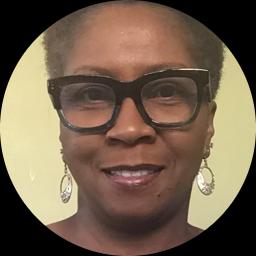
About Patsy
Patsy Paulk is a Licensed Mental Health Counselor (LMHC) in Florida with 20 years of professional experience. She focuses on LGBT concerns, grief and loss, self-esteem, career challenges, and coping with life changes. Patsy uses straightforward talk and practical attention to problems clients bring.
Her background includes long-term work with people facing major life transitions. She also addresses aging and geriatric issues, caregiver stress, codependency, commitment questions, divorce and separation, and feelings of emptiness. Patsy has experience with hospice and end-of-life counseling, HIV/AIDS issues, and concerns common to first responders.
In sessions she relies on client-centered therapy. That means conversations center on the client's perspective and priorities. The therapist follows the pace the client sets and focuses on understanding what matters most to them.
People who meet with her can expect to talk through immediate concerns and practical next steps. Conversations often cover coping strategies, decision points for work and relationships, and ways to rebuild confidence after loss. Patsy pays close attention to cultural and multicultural factors that shape each person's experience.
Her way of working tends to be direct and respectful. She helps people sort through what they want next and figure out small, concrete actions. To begin, clients complete a short matching questionnaire and then schedule a first session.
How her client-centered approach works for online sessions
Patsy uses client-centered therapy, which centers on listening closely to the client's own goals and concerns. Sessions focus on the client's experience, with the therapist reflecting understanding and helping people name what matters most. This approach is helpful for grief, identity questions, career shifts, and rebuilding confidence.Working together is iterative. Patsy will help figure out which methods fit best based on the client's needs, goals, and preferences. That means discussing what feels most useful and adjusting the approach as the work proceeds, rather than committing to a single method from the start.
Session format details are not specified in the biography, so confirm current session options before booking. Online sessions can make it easier to fit meetings into a busy day, allow for shorter check-ins when needed, and reduce travel time. Therapists and licensed professionals often find that remote work helps clients keep continuity when facing life changes, while keeping the focus on practical coping and next steps.
Areas of expertise
Primary focus
Additional focus areas
Therapeutic approaches
Experience
20+ years
Credentials
Florida
Languages
English
Frequently asked questions
What concerns does she address?
Patsy works with LGBT issues, grief and loss, self-esteem, career difficulties, and coping with life changes. She also addresses aging, caregiver stress, codependency, and related concerns.
What is her therapeutic style?
She practices client-centered therapy, focusing sessions on the client's perspective and priorities. Conversations aim to clarify concerns and explore practical next steps.
How much experience does she have?
Patsy has 20 years of professional experience as a clinician. That background includes work with end-of-life counseling and first responder issues.
Where is she licensed and based?
She is a Florida Licensed Mental Health Counselor (LMHC) and practices from Florida.
Which languages are supported?
Sessions are offered in English.
Can she see international clients?
She is not accepting international clients at this time.
How are sessions paid for?
Cost varies with location and sessions use a subscription that can be canceled at any time.
How do I get started?
Select the See online therapy options button, complete a short matching questionnaire, and schedule a first session.
Online talk therapy is not emergency care, and no counselor can promise how grief will feel or when it will ease. If you are thinking about suicide or feel unsafe, call or text 988, or call 911. Crisis information