
Charles Stiles
LCMHCNorth Carolina · 20 yrs exp
LCMHC - Grief and Anxiety
Stress, Anxiety · Relationship · Grief · Anger · +1 more
Read profileA directory of US grief counselors
In crisis? Call or text 988Counselor listings come from BetterHelp. We will earn a commission at no extra cost to you if you use our links to buy.
Compare profiles of counselors who list Isolation / Loneliness alongside grief and loss to review approaches, languages, credentials and practice style. Browse the listed profiles below to learn about listed location, focus areas and professional background.
North Carolina · 20 yrs exp
LCMHC - Grief and Anxiety
Stress, Anxiety · Relationship · Grief · Anger · +1 more
Read profile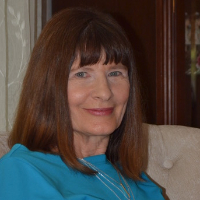
Florida · 20 yrs exp
LMHC - Stress and Grief
Stress, Anxiety · Grief · Self esteem · Depression · +9 more
Read profile
Illinois · 16 yrs exp
Licensed Clinical Social Worker - Anxiety and Grief
Stress, Anxiety · Trauma and abuse · Self esteem · Depression · +10 more
Read profile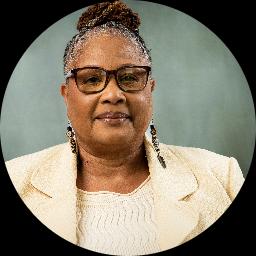
Texas · 17 yrs exp
LCSW - Grief and mood concerns
Stress, Anxiety · Addictions · Trauma and abuse · Grief · +1 more
Read profile
Texas · 10 yrs exp
Licensed Marriage and Family Therapist - Grief and Relationships
Stress, Anxiety · LGBT · Relationship · Grief · +12 more
Read profile
California · 24 yrs exp
Licensed therapist - Grief and mood concerns
Stress, Anxiety · Trauma and abuse · Grief · Bipolar · +1 more
Read profile
Florida · 3 yrs exp
Licensed Professional Counselor - Grief and Anxiety
Stress, Anxiety · Grief · Self esteem · Depression · +1 more
Read profile
Arkansas · 5 yrs exp
Licensed Clinical Social Worker - Grief and life changes
Stress, Anxiety · Trauma and abuse · Parenting · Anger · +8 more
Read profile
Kentucky · 5 yrs exp
Licensed Professional Clinical Counselor - Stress and Grief
Stress, Anxiety · Addictions · Self esteem · Depression · +3 more
Read profile
Maryland · 6 yrs exp
Licensed Clinical Social Worker - Grief and Trauma
Stress, Anxiety · Addictions · Relationship · Family · +16 more
Read profile
Texas · 3 yrs exp
Licensed Professional Counselor - Grief and Anxiety
Stress, Anxiety · Relationship · Grief · Self esteem · +1 more
Read profile
Georgia · 23 yrs exp
Licensed counselor - Grief and anxiety
Stress, Anxiety · LGBT · Grief · Self esteem · +1 more
Read profile
Illinois · 12 yrs exp
LCSW - relationships and grief
Relationship · Grief · Parenting · Self esteem · +1 more
Read profile
Maryland · 20 yrs exp
Licensed therapist for grief and life changes
Stress, Anxiety · Grief · Self esteem · Coping with life changes · +1 more
Read profile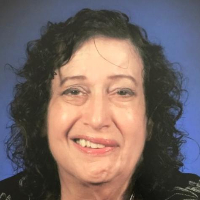
Florida · 30 yrs exp
FL Psychologist - Grief and Emotional Concerns
Stress, Anxiety · Grief · Anger · Depression · +15 more
Read profile
Michigan · 26 yrs exp
Licensed LMSW - Grief and Relationships
Stress, Anxiety · Addictions · Relationship · Grief · +14 more
Read profile
Indiana · 13 yrs exp
Licensed Mental Health Counselor - Grief and Trauma
Stress, Anxiety · Trauma and abuse · Grief · Self esteem · +13 more
Read profile
Michigan · 11 yrs exp
Licensed Professional Counselor - Grief and Trauma
Stress, Anxiety · Trauma and abuse · Grief · Self esteem · +1 more
Read profile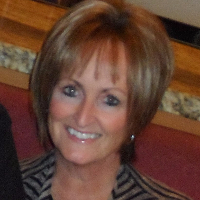
Nevada · 30 yrs exp
Licensed counselor - Grief and anxiety
Stress, Anxiety · Grief · Self esteem · Coping with life changes · +14 more
Read profile
New Jersey · 40 yrs exp
Licensed Clinical Social Worker - Grief and Relationship Concerns
Stress, Anxiety · Addictions · Relationship · Parenting · +12 more
Read profile
Florida · 12 yrs exp
Licensed Clinical Social Worker - Perinatal and Grief
Stress, Anxiety · LGBT · Grief · Self esteem · +1 more
Read profile
Washington · 29 yrs exp
LMHC in Washington - Stress and Grief care
Stress, Anxiety · Relationship · Grief · Self esteem · +1 more
Read profile
Tennessee · 7 yrs exp
LCSW focused on Grief and Life Transitions
Family · Grief · Parenting · Career · +1 more
Read profile
California · 6 yrs exp
Licensed MFT - Grief and Relationship concerns
Stress, Anxiety · Addictions · Relationship · Depression · +10 more
Read profileWhen you are navigating bereavement, anticipated loss or other losses that feel like rejection or separation, feelings of isolation and loneliness can take many shapes. You might notice a sudden emptiness in places that used to feel familiar, a sense of being misunderstood by friends and family, or repetitive thoughts about anniversaries and milestones. Grief after non-death losses - such as the end of a relationship, a job change, loss of identity or a move - can also bring deep loneliness. Those experiences are personal and can recur without a predictable timeline. If you are coping with complicated or layered emotions, it is reasonable to want a professional perspective on how loneliness is playing a role in your grief.
Understanding the form loneliness takes for you can help shape the kinds of questions you bring to a conversation with a clinician. Some people feel isolated in groups, others withdraw before they have a chance to get support. You may experience heightened emotions around anniversaries, holidays or dates tied to the relationship or event you are grieving. Recognizing these patterns can help you describe what you are facing when you review profiles and reach out to professionals listed here.
Directory listings group therapists who indicate both grief and Isolation / Loneliness as focus areas, but a shared listing does not establish causation between the two. Your experience of loneliness may be directly connected to bereavement, or it may be influenced by other life stressors that coexist with grief. You may also find that loneliness intensifies certain grief symptoms, or that grief amplifies preexisting patterns of social withdrawal. Either way, noting the overlap in focus areas can point you to clinicians who are willing to address both themes in session.
When you read a profile, pay attention to how the therapist frames their work with grief and with social disconnection. Some profiles describe emphasis on meaning-making and processing loss, while others highlight coping skills for navigating relationships and communication after a loss. Profiles will sometimes mention age groups, populations or settings they commonly work with; use that phrasing as a starting point for clarifying whether their approach resonates with your situation. Remember that the presence of both concerns in a profile signals that the clinician has identified those topics as part of their practice focus, not that they claim a particular outcome.
When you compare profiles, prepare concrete questions that help you understand how a therapist might address isolation and grief together. You might ask how they typically talk about anniversaries and ritual work, or how they approach grief after a non-death loss. If a profile lists specific approaches, frame questions to learn more without assuming endorsement - for example, you can say "I see you list EMDR among your approaches; can you explain how that might be used for grief-related loneliness?" That keeps the focus on dialogue rather than on credentials alone.
It is important to distinguish academic degrees from professional licenses. Degrees such as PhD, PsyD, MD, MA or MSW describe education but do not in themselves indicate current permission to practice in a given state or jurisdiction. Licenses and registrations - identified by acronyms specific to states and countries - are the credentials that establish clinical authorization. You should ask whether a clinician holds an active license, what type it is, and whether they are permitted to work with you in the listed location or across state lines if you are seeking remote care. You can also ask about supervision status if a profile mentions an advanced degree but not a license.
If you are considering care that occurs online or across distance, discuss practical and safety-related issues before beginning. Ask how the clinician manages crisis planning and how they would support you if you were experiencing suicidal thoughts or a severe escalation in distress. If you are in immediate danger or thinking about harming yourself, you can call or text the 988 Suicide and Crisis Lifeline for help. Clarify the therapist's listed location and whether they have permission to practice with clients in your state or country, since licensing rules vary. It is also reasonable to ask about how they address privacy in virtual sessions and about what technology or platforms they use, along with any steps you can take to create a comfortable environment for sessions in your home.
Before you begin, consider discussing communication preferences - such as whether the clinician uses brief messages between sessions and how they handle scheduling or cancellations. Talk about the kinds of grief support you want, whether you prefer a focus on processing emotions and meaning, or on practical coping strategies for loneliness and re-engaging with social networks. Being specific about what you hope to discuss helps both you and the clinician determine if the fit aligns with your needs.
When you scan profiles on this site, look for the details that matter most to you. Focus areas indicate topics clinicians commonly address, which can include bereavement, anticipated loss, complicated grief reactions, anniversaries or grief after non-death losses. Languages listed on profiles can be crucial if you prefer to process loss in your native language. Credentials appear as degree abbreviations or licensure titles; remember that a degree such as an MA or MSW signals academic training and does not replace a current license or registration. If a profile lists a professional license, you might verify that license directly with the issuing board if you want confirmation of permission to practice in your location.
Style is often the hardest element to gauge from a written profile, yet it matters a great deal. Some clinicians describe their style as collaborative and reflective, while others emphasize skill-building or narrative approaches. Profiles sometimes note the kinds of clients a clinician commonly works with, but a listed topic does not establish that they work with children, couples or families. Use the language in profiles as conversation starters. When you contact a clinician, ask for examples of how they would structure initial conversations about grieving and loneliness, what they find helpful when anniversaries arise, and how they approach layered or complex feelings that do not follow a set timeline.
Making a choice about who to contact is a personal process. Comparing profiles by focus areas, listed location, language and the distinction between academic degrees and licensure can help you make informed decisions. Use the profiles to generate specific questions, note what matters most to you in a therapeutic relationship, and take the time to ensure the clinician has permission to work with you where you live. If you are in crisis at any point, contact local emergency services or call or text the 988 Suicide and Crisis Lifeline for immediate support.
Alabama
89 therapists
Alaska
10 therapists
Arizona
50 therapists
Arkansas
34 therapists
California
367 therapists
Colorado
106 therapists
Connecticut
46 therapists
Delaware
14 therapists
District of Columbia
14 therapists
Florida
402 therapists
Georgia
148 therapists
Hawaii
24 therapists
Idaho
26 therapists
Illinois
156 therapists
Indiana
68 therapists
Iowa
21 therapists
Kansas
24 therapists
Kentucky
40 therapists
Louisiana
86 therapists
Maine
20 therapists
Maryland
78 therapists
Massachusetts
54 therapists
Michigan
172 therapists
Minnesota
54 therapists
Mississippi
52 therapists
Missouri
114 therapists
Montana
24 therapists
Nebraska
17 therapists
Nevada
17 therapists
New Hampshire
13 therapists
New Jersey
91 therapists
New Mexico
18 therapists
New York
208 therapists
North Carolina
153 therapists
North Dakota
3 therapists
Ohio
95 therapists
Oklahoma
64 therapists
Oregon
39 therapists
Pennsylvania
155 therapists
Rhode Island
9 therapists
South Carolina
95 therapists
South Dakota
9 therapists
Tennessee
56 therapists
Texas
447 therapists
Utah
29 therapists
Vermont
9 therapists
Virginia
82 therapists
Washington
52 therapists
West Virginia
17 therapists
Wisconsin
51 therapists
Wyoming
13 therapists