- Addictions
- Grief support
- Life purpose
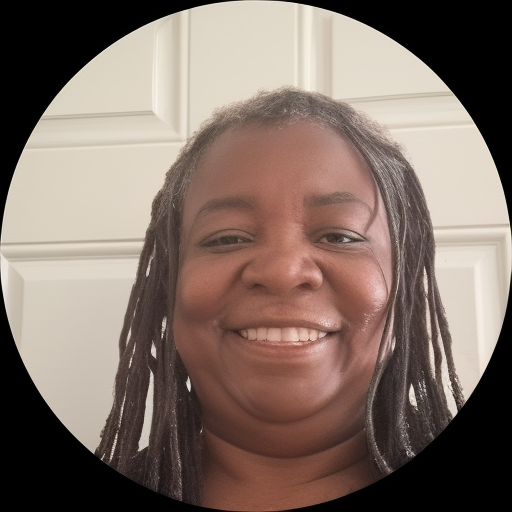
About Shirley
Shirley Darden is a Licensed Clinical Professional Counselor (LCPC) in Maryland with 11 years of experience. She works with people facing addiction, family conflict, trauma and abuse, grief, and mood concerns such as bipolar disorder. She also focuses on forgiveness and life purpose as part of recovery.
Shirley uses a trauma-informed perspective that pays attention to how past events affect present struggles. She brings faith and spirituality into sessions when clients say those matters matter to them. Sessions are collaborative and practical, with an emphasis on building clearer direction and stronger coping skills.
In the room she helps people talk through painful memories and current triggers. She supports efforts to reduce self-harmful behaviors tied to addiction and to repair patterns that keep relationships strained. For people wrestling with grief, she discusses both immediate needs and longer-term adjustments.
Her work often centers on making small, concrete changes. That can mean setting short-term goals, practicing new behaviors between sessions, or trying different ways to process loss and anger. Shirley watches how these steps affect daily life and adjusts plans as needed.
Clients can expect straightforward conversation about values, faith, and what gives life purpose. She aims to help people sort choices and find steady everyday routines that support recovery and meaning. The focus is on clear next steps rather than quick fixes.
Therapeutic approaches and online sessions
Shirley integrates trauma-informed work into practical techniques that help people understand how past events affect current reactions. This approach focuses on identifying triggers and building strategies to reduce reactivity and improve day-to-day functioning.She also draws on evidence-based methods that encourage goal setting and behavior change. These methods involve setting short-term, observable goals and practicing new skills between sessions to help with addiction, mood swings, and coping with loss.
Finding the right approach is a collaborative process. Shirley will talk with each person about needs, goals, and preferences and adjust methods as therapy progresses so the work fits the individual rather than forcing a single model.
Confirm the specific online session formats before booking, since the biography does not list formats. In general, remote sessions can make it easier to fit therapy into a busy routine, reduce travel time, and allow for shorter check-ins when needed. Therapists can also adapt work to quieter surroundings or to sessions that do not require video if that better fits a person’s daily life.
Areas of expertise
Primary focus
Additional focus areas
Experience
11+ years
Credentials
Maryland
Languages
English
Frequently asked questions
What kinds of loss does she address?
She works with people grieving death, relationship endings, health changes, and other major life losses.
What style of therapy does she use?
Her practice uses a trauma-informed perspective and evidence-based techniques to address symptoms and patterns tied to past events.
How much experience does she have?
She has 11 years of clinical experience working with addiction, trauma, grief, bipolar concerns, and family conflict.
What are her credentials and where is she based?
She is an LCPC licensed in Maryland and practices from that state.
Can I work with her if I live outside the United States?
She accepts international clients and offers sessions to people outside the U.S.
What session formats are offered?
Session formats are not specified in the biography; please confirm current session options before booking.
How are sessions paid for?
Cost varies with location and sessions use a subscription that can be canceled at any time.
How do I begin working with her?
Select the See online therapy options button, complete a short matching questionnaire, and schedule a first session.
Online talk therapy is not emergency care, and no counselor can promise how grief will feel or when it will ease. If you are thinking about suicide or feel unsafe, call or text 988, or call 911. Crisis information