- Attachment based work
- Cognitive behavioral tools
- Motivational interviewing
About Gabriel
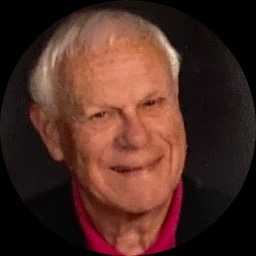
Gabriel Kajeckas is a Licensed Clinical Social Worker-Clinical (LCSW-C) licensed in Maryland and a Licensed Clinical Social Worker (LCSW) in Virginia with 32 years of experience. He works with people who face stress, anxiety, relationship and family concerns, trauma, and addictive behaviors. Gabriel also supports those coping with grief and the strain that life changes can bring.
He listens for how early family patterns affect present behavior. Sessions often focus on identifying strengths and practical steps a person can use day to day. Gabriel draws on therapy methods that look at attachment, thought patterns, motivation, and trauma to address problems such as addiction, codependency, and problems with control.
People meet him to talk through family of origin issues, hospice and end-of-life concerns, or problems tied to shame and guilt. He works with those facing cancer or major life transitions and helps with sleep, eating, and impulse concerns when they get in the way of daily life. The approach is direct and practical, aimed at small changes that add up.
Sessions emphasize collaboration and clear goals. Gabriel helps clients notice patterns, try new responses, and build on what already works. He encourages gradual progress rather than quick fixes.
To begin, a short questionnaire is used to match and schedule a first session. Cost varies by location and sessions use a subscription that can be canceled at any time.
How Gabriel’s methods translate to online work
Attachment-Based Therapy looks at how early relationships affect how people connect now. It helps when patterns from family life keep showing up in current relationships or when grief and loss affect trust and closeness.Cognitive Behavioral Therapy (CBT) focuses on how thoughts and behaviors interact. It offers practical strategies to reduce anxiety, change unhelpful thinking, and manage cravings or compulsive behaviors tied to addiction.
Motivational Interviewing is a collaborative way to increase readiness for change. It is useful when someone is uncertain about changing an addictive behavior or making a major life shift.
Finding the right approach is part of the work. Gabriel will help clients and therapists pick methods that fit each person’s goals, needs, and preferences. That choice is made together and can change as progress is made.
Session formats were not listed in the provided biography, so confirm available options before booking. Online sessions can make it easier to fit therapy into a busy life by reducing travel and allowing shorter check-ins when needed. Some formats use less bandwidth or let people choose whether to be on camera, which can help match sessions to everyday schedules and energy levels.
Areas of expertise
Primary focus
Also works with
Additional focus areas
Therapeutic approaches
Experience
32+ years
Credentials
Virginia, Maryland
Languages
English
Frequently asked questions
What concerns does he address?
He works with stress, anxiety, relationship and family issues, grief, addictions, trauma, and related concerns such as sleep and eating difficulties.
What is his therapy style like?
His style emphasizes practical steps and collaboration. Sessions focus on noticing patterns and trying manageable changes over time.
How much experience does he have?
Gabriel has 32 years of clinical experience working with individuals on a range of concerns including addictive behaviors and family of origin issues.
What are his credentials and location?
He holds LCSW (Virginia) and LCSW-C (Maryland) credentials and practices from Virginia.
In which language can I work with him?
Sessions are offered in English, and he accepts international clients.
What session formats are offered?
Session formats were not specified in the biography; please confirm current session options before booking.
How does cost work?
Cost varies with location, and sessions use a subscription that can be canceled at any time.
How do I get started?
Use the See online therapy options button, complete a short matching questionnaire, and schedule a first session.
Online talk therapy is not emergency care, and no counselor can promise how grief will feel or when it will ease. If you are thinking about suicide or feel unsafe, call or text 988, or call 911. Crisis information