
Charles Stiles
LCMHCNorth Carolina · 20 yrs exp
LCMHC - Grief and Anxiety
Stress, Anxiety · Relationship · Grief · Anger · +1 more
Read profileA directory of US grief counselors
In crisis? Call or text 988Counselor listings come from BetterHelp. We will earn a commission at no extra cost to you if you use our links to buy.
This page groups profiles of clinicians who list Stress & Anxiety alongside grief and loss as focus areas. You can compare listed location, clinical approaches, languages, academic degrees, and the way each profile describes experience to help guide your search.
Browse the profiles below to learn more about practitioners who may match the needs you bring, and then reach out directly to discuss fit and scope of care.
North Carolina · 20 yrs exp
LCMHC - Grief and Anxiety
Stress, Anxiety · Relationship · Grief · Anger · +1 more
Read profile
Florida · 20 yrs exp
LMHC - Stress and Grief
Stress, Anxiety · Grief · Self esteem · Depression · +9 more
Read profile
Illinois · 16 yrs exp
Licensed Clinical Social Worker - Anxiety and Grief
Stress, Anxiety · Trauma and abuse · Self esteem · Depression · +10 more
Read profile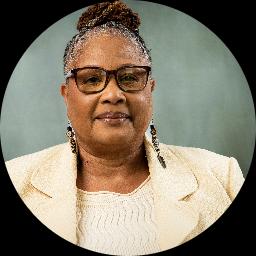
Texas · 17 yrs exp
LCSW - Grief and mood concerns
Stress, Anxiety · Addictions · Trauma and abuse · Grief · +1 more
Read profile
Virginia · 20 yrs exp
LCSW - Grief and life transitions
Stress, Anxiety · Grief · Self esteem · Depression · +1 more
Read profile
Illinois · 16 yrs exp
Illinois LCPC - Grief and related concerns
Stress, Anxiety · Addictions · Trauma and abuse · Bipolar · +6 more
Read profile
Illinois · 3 yrs exp
LCPC in Illinois - Stress and Grief support
Stress, Anxiety · Parenting · Self esteem · Career · +3 more
Read profile
Connecticut · 9 yrs exp
Licensed Professional Counselor - Grief and Anxiety
Stress, Anxiety · Relationship · Grief · Self esteem · +1 more
Read profile
Texas · 10 yrs exp
Licensed Marriage and Family Therapist - Grief and Relationships
Stress, Anxiety · LGBT · Relationship · Grief · +12 more
Read profile
Utah · 9 yrs exp
LCSW - Grief and Anxiety
Stress, Anxiety · Relationship · Trauma and abuse · Grief · +1 more
Read profile
Mississippi · 9 yrs exp
Licensed Clinical Social Worker - Grief and Anxiety
Stress, Anxiety · Relationship · Family · Trauma and abuse · +9 more
Read profile
California · 24 yrs exp
Licensed therapist - Grief and mood concerns
Stress, Anxiety · Trauma and abuse · Grief · Bipolar · +1 more
Read profile
Florida · 3 yrs exp
Licensed Professional Counselor - Grief and Anxiety
Stress, Anxiety · Grief · Self esteem · Depression · +1 more
Read profile
Arkansas · 5 yrs exp
Licensed Clinical Social Worker - Grief and life changes
Stress, Anxiety · Trauma and abuse · Parenting · Anger · +8 more
Read profile
South Carolina · 3 yrs exp
Licensed Professional Counselor - Grief and Relationships
Stress, Anxiety · Relationship · Trauma and abuse · Grief · +4 more
Read profile
Kentucky · 5 yrs exp
Licensed Professional Clinical Counselor - Stress and Grief
Stress, Anxiety · Addictions · Self esteem · Depression · +3 more
Read profile
Maryland · 6 yrs exp
Licensed Clinical Social Worker - Grief and Trauma
Stress, Anxiety · Addictions · Relationship · Family · +16 more
Read profile
Texas · 3 yrs exp
Licensed Professional Counselor - Grief and Anxiety
Stress, Anxiety · Relationship · Grief · Self esteem · +1 more
Read profile
Virginia · 10 yrs exp
Licensed Clinical Social Worker - Stress and Grief
Stress, Anxiety · Self esteem · Career · Coping with life changes · +11 more
Read profile
Georgia · 23 yrs exp
Licensed counselor - Grief and anxiety
Stress, Anxiety · LGBT · Grief · Self esteem · +1 more
Read profile
Mississippi · 15 yrs exp
Licensed Professional Counselor - Grief and Stress
Stress, Anxiety · Family · Grief · Parenting · +1 more
Read profile
Alabama · 3 yrs exp
Licensed clinical social worker - Grief and trauma
Stress, Anxiety · Trauma and abuse · Grief · Self esteem · +1 more
Read profile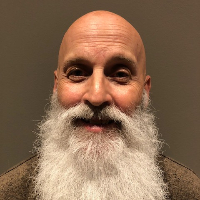
Missouri · 25 yrs exp
Licensed counselor - Relationships and Grief
Relationship · Parenting · Self esteem · Stress, Anxiety · +3 more
Read profile
Virginia · 5 yrs exp
LCSW - Anxiety and Grief support
Stress, Anxiety · LGBT · Grief · Depression · +1 more
Read profileGrief is not a disorder to be fixed and has no set timeline. When you are facing bereavement, anticipated loss, complicated feelings, anniversaries, or grief after non-death losses such as job changes or relationship endings, stress and anxiety commonly appear as part of the experience. Stress can show up as tension, sleep disruption, or racing thoughts. Anxiety can create worry about the future, avoidance of reminders, or frequent physical symptoms. These responses are often understandable reactions to loss rather than signs that something is wrong with you.
On this page you will find profiles of clinicians who list Stress & Anxiety as a topic they address in addition to grief and loss. That listing does not imply a specific therapeutic outcome or a particular model of care. It simply identifies areas a clinician notes on their profile. As you read profiles, focus on the language used to describe how the clinician frames stress and anxiety in relation to grief. That can help you assess whether their approach aligns with how you want to process your loss and manage the related tension and worry that may be present.
You might notice heightened panic in situations that remind you of what was lost, or find that anniversaries and milestones stir up unexpected waves of anxiety. Anticipated loss can produce preemptive worry that feels persistent and exhausting. Complicated grief or layered losses can create overlapping sources of stress - for example, grieving a death while also coping with financial or legal changes. Grief after non-death losses can be similarly intense when the change involves identity, daily routine, or relationships that mattered deeply to you.
Recognizing specific patterns can help you communicate clearly with a clinician. You may want to describe whether your worry tends to be future-focused or whether it anchors to particular triggers. You can explain how anniversaries, holidays, or certain places affect your mood and energy. These concrete details are useful because they make it easier to discuss coping strategies and the kinds of supports you hope to find. If you are feeling overwhelmed or in immediate crisis, call or text 988 in the U.S. for the Suicide and Crisis Lifeline.
When you read a profile and decide to reach out, prepare specific questions that will clarify how a clinician approaches stress and anxiety in the context of grief. Ask how they typically work with clients who describe intrusive worries, panic symptoms, or chronic tension related to loss. You can ask whether they have experience with bereavement, anticipated loss, anniversaries, or grief after non-death losses, and request examples of the kinds of interventions they might discuss. Phrase questions so they invite concrete answers - for instance, ask how they help clients manage overwhelming sensations in the moment, or how they support people who worry about future changes.
Be mindful that academic degrees and listed approaches are not the same as current permission to practice. A profile might list degrees such as PhD, PsyD, MD, MA, or MSW. Those indicate academic achievement but do not by themselves demonstrate a current license or registration. Ask about the clinician's professional license or registration, and whether they are authorized to provide care in your listed location. If you have preferences around working with someone who lists certain approaches, mention that directly. For example, you could ask about therapists who list EMDR among their approaches, or those who list cognitive-behavioral strategies among their approaches. Frame such questions to learn how a clinician adapts methods to meet the realities of grief rather than assuming specific training or certification.
If you plan to engage in care remotely, discuss logistics and boundaries before starting. Ask how the clinician describes their setting, what technologies they use, and what kinds of sessions they typically offer, so you know what to expect in terms of communication. Clarify whether their profile indicates a listed location that matches where they are permitted to practice, and confirm that they have permission to work with clients in your jurisdiction. Discuss how the clinician handles emergencies and what contacts or resources they recommend in your area. If certain aspects of grief are especially important to you - such as navigating anniversaries, supporting anticipatory grief, or addressing grief after non-death losses - bring those topics up early so you and the clinician can see if there is a common understanding of your goals.
You may also want to talk about how the clinician integrates attention to physical symptoms linked to stress and anxiety, and whether they collaborate with other providers you already see. It is reasonable to ask how they involve family or social supports if that is part of your plan. You should not assume that a listed topic or academic degree means the clinician will automatically use a particular technique. Instead, ask them to describe in concrete terms what a typical session might involve for someone with the concerns you bring.
Profiles offer several signals you can compare to narrow your search. Focus area labels show whether a clinician lists grief and loss alongside Stress & Anxiety, or mentions related topics such as bereavement, complicated grief, or non-death losses. Languages listed on a profile indicate whether a clinician can communicate in the language you prefer, which can be particularly important when you are working through nuanced feelings tied to memory and culture. Academic degrees such as PhD, PsyD, MD, MA, and MSW appear on profiles as part of educational background. Remember that these degrees are distinct from professional licenses or registrations, which are the indicators you should verify to confirm permission to practice in your listed location.
Profiles also differ in tone and the way clinicians describe their style. Some clinicians emphasize reflective exploration of meaning and memory, while others highlight skills for managing acute physiological responses to stress and anxiety. Read descriptions to identify phrases that resonate with your preferences for direct coping tools versus a more narrative focus on loss and meaning. Look for mentions of populations a clinician works with, but keep in mind that a listed topic does not establish that the clinician treats children, couples, or families; you should discuss your specific needs directly with the clinician. When comparing, note whether profiles include information about collaboration with other health professionals, how clinicians frame work around anniversaries and anticipated losses, and whether they mention culturally responsive practices. Those details can help you decide which profiles to contact for an initial conversation about fit.
Searching for care while you are navigating grief and related stress or anxiety can feel overwhelming. Use profiles to gather information about approaches, languages, degrees, and listed location as a first step. Verify a clinician's license or registration and confirm that they have permission to work in your location before moving forward. Reach out with specific questions about how they typically support people experiencing the kinds of grief and anxiety you are facing. If you are in crisis, call or text 988 in the U.S. for the Suicide and Crisis Lifeline. Taking small steps to compare profiles and ask focused questions can help you find a clinician whose way of working aligns with your needs as you cope with loss.
Alabama
89 therapists
Alaska
10 therapists
Arizona
50 therapists
Arkansas
34 therapists
California
367 therapists
Colorado
106 therapists
Connecticut
46 therapists
Delaware
14 therapists
District of Columbia
14 therapists
Florida
402 therapists
Georgia
148 therapists
Hawaii
24 therapists
Idaho
26 therapists
Illinois
156 therapists
Indiana
68 therapists
Iowa
21 therapists
Kansas
24 therapists
Kentucky
40 therapists
Louisiana
86 therapists
Maine
20 therapists
Maryland
78 therapists
Massachusetts
54 therapists
Michigan
172 therapists
Minnesota
54 therapists
Mississippi
52 therapists
Missouri
114 therapists
Montana
24 therapists
Nebraska
17 therapists
Nevada
17 therapists
New Hampshire
13 therapists
New Jersey
91 therapists
New Mexico
18 therapists
New York
208 therapists
North Carolina
153 therapists
North Dakota
3 therapists
Ohio
95 therapists
Oklahoma
64 therapists
Oregon
39 therapists
Pennsylvania
155 therapists
Rhode Island
9 therapists
South Carolina
95 therapists
South Dakota
9 therapists
Tennessee
56 therapists
Texas
447 therapists
Utah
29 therapists
Vermont
9 therapists
Virginia
82 therapists
Washington
52 therapists
West Virginia
17 therapists
Wisconsin
51 therapists
Wyoming
13 therapists