- Caregiver stress
- End-of-life counseling
- Communication help
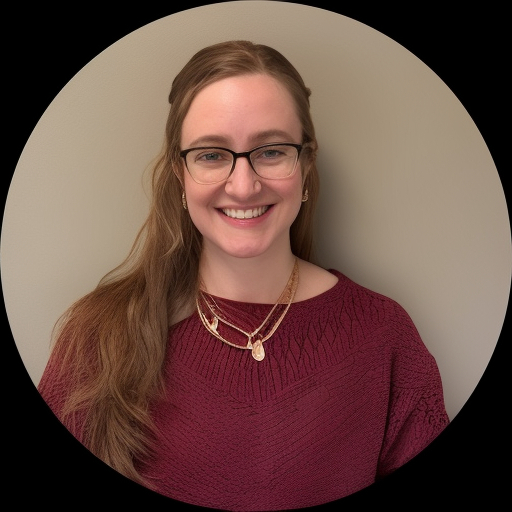
About Sydney
Sydney Gross is a Licensed Certified Social Worker–Clinical (LCSW-C) in Maryland with five years of clinical experience. She works with people facing stress, anxiety, relationship and family strain, grief, and major life changes. She also focuses on aging and geriatric issues, caregiver stress, communication problems, and hospice and end-of-life concerns.
She commonly supports adult children of aging parents and caregivers who feel overwhelmed or emotionally exhausted. Sessions are a place to talk through difficult decisions, shifting roles, and the practical and emotional demands of caregiving. She helps people sort priorities and make clearer plans when choices feel heavy.
Her approach is collaborative and down-to-earth. She uses straightforward conversation and practical strategies to address immediate problems and build coping skills over time. The work often includes talking through emotions, improving communication, and identifying small changes that reduce daily strain.
Sydney draws on experience with older adults and families to recognize common patterns as health or cognitive changes unfold. That background informs how she frames options, anticipates likely stress points, and supports problem solving related to care planning and family dynamics.
People who come for help can expect steady, practical support aimed at clarifying next steps. To begin, she asks about the current situation and what matters most, then suggests approaches that fit the person’s goals and schedule.
Therapeutic approaches and online sessions
Sydney uses evidence-based techniques that focus on clear goals and practical skills. One common approach helps people identify unhelpful thoughts and try alternative ways of thinking and responding; this can reduce anxiety and make decisions easier. Another approach concentrates on communication skills and problem solving so family members can talk about care, set boundaries, and share responsibilities more effectively.Finding the right approach is part of the work. She will talk with each person about their situation, needs, and preferences, and together they will pick methods that match those goals. The therapist and client adjust the plan as progress and challenges arise so the methods stay useful and relevant.
Session formats are not listed in the original biography, so confirm current options before booking. Online sessions can make it easier to fit therapy into a busy day, allow for shorter check-ins when needed, and reduce time spent traveling to appointments. Working remotely also makes it simpler to include brief family coordination conversations when timing is tight.
Areas of expertise
Primary focus
Additional focus areas
Experience
5+ years
Credentials
Maryland
Languages
English
Frequently asked questions
What concerns does she address?
She works with stress, anxiety, relationship and family strain, grief, and coping with life changes, plus aging, caregiver stress, communication problems, and hospice and end-of-life issues.
What style of therapy does she use?
Her style is collaborative and grounded. She focuses on practical strategies, clear communication, and helping people make workable plans.
How much clinical experience does she have?
She has five years of clinical experience working with older adults, caregivers, and families facing change and loss.
What are her credentials and location?
She is a Licensed Certified Social Worker–Clinical (LCSW-C) licensed in Maryland.
Which languages are supported?
Sessions are offered in English.
Can people outside the United States work with her?
She does not accept international clients at this time.
How are costs handled?
Cost varies with location and sessions use a subscription that can be canceled at any time.
How do I get started?
Select the See online therapy options button, complete a short matching questionnaire, and schedule a first session.
Online talk therapy is not emergency care, and no counselor can promise how grief will feel or when it will ease. If you are thinking about suicide or feel unsafe, call or text 988, or call 911. Crisis information