- Cognitive Behavioral Therapy
- Mindfulness Therapy
- Somatic approaches
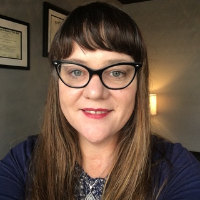
About Bethany
Bethany Kulp is a Licensed Clinical Social Worker (LCSW) in Texas with 20 years of clinical experience. She works with people facing grief, anxiety, depression, trauma and abuse, stress, and life changes. Bethany also supports concerns such as sleep difficulties, addictions, caregiver strain, body image, and identity issues related to LGBT concerns.
She frames sessions as collaborative and goal-directed. Bethany listens and also offers teaching, gentle challenge, and practical coping skills. Her approach includes helping people notice and change thoughts that increase distress, and learning behavioral tools to manage symptoms.
Her practice uses mindfulness and cognitive methods alongside somatic work that focuses on bodily experience. Bethany has used Somatic Experiencing techniques since 2015 and has training in Integral Somatic Psychology. These methods are woven into session work when they fit a person's needs.
Sessions typically involve talking through current struggles, identifying unhelpful thinking patterns, and practicing skills such as grounding, breathing, and behavioral experiments. She also helps people set short-term goals and track progress over time.
Throughout her career she has focused on practical strategies people can use between sessions. That can include structured exercises, mindfulness practice, and small behavioral steps to reduce distress. Bethany aims to help clients develop skills that feel usable in everyday life.
How Bethany blends approaches in online sessions
Bethany uses Cognitive Behavioral Therapy and Mindfulness Therapy to help people notice thoughts and try small behavioral changes. CBT focuses on identifying unhelpful thinking patterns and testing new behaviors, which can help with anxiety, depression, and grief-related distress. Mindfulness Therapy teaches simple attention and breathing practices to reduce reactivity and improve concentration.She also draws on somatic-informed methods that pay attention to bodily sensations and gentle regulation techniques. These approaches can help when stress and trauma show up as physical tension or sleep disruption. Finding what fits happens together - the therapist and client work collaboratively to pick methods that match the person's goals and comfort level.
The biography does not list specific online session formats, so confirm the available options before booking. Online sessions can make it easier to fit therapy into a weekday break, reduce travel time, or allow a shorter check-in when needed. Bethany’s focus is practical: she helps clients learn skills they can use between meetings and adapts session pacing to everyday life.
Areas of expertise
Also works with
Additional focus areas
Therapeutic approaches
Experience
20+ years
Credentials
Texas
Languages
English
Frequently asked questions
What kinds of loss does she support?
She lists grief alongside losses such as relationship or health changes. You can bring bereavement and non-death losses to work through in sessions.
What is her therapeutic style?
Her style is collaborative and goal-directed. She listens, teaches skills, and offers gentle challenge to help people reach their own conclusions.
How much clinical experience does she have?
She has 20 years of experience providing behavioral health services for a range of concerns.
What credential does she hold and where does she practice?
She is an LCSW practicing in Texas.
Which languages are sessions offered in?
Sessions are offered in English and international clients are not accepted.
What session formats are available?
The biography does not specify session formats. Confirm current session options before booking.
How are fees handled?
Cost varies with location and sessions use a subscription that can be canceled at any time.
How do I begin with her?
Use the See online therapy options button, complete a short matching questionnaire, and schedule a first session.
Online talk therapy is not emergency care, and no counselor can promise how grief will feel or when it will ease. If you are thinking about suicide or feel unsafe, call or text 988, or call 911. Crisis information