
Charles Stiles
LCMHCNorth Carolina · 20 yrs exp
LCMHC - Grief and Anxiety
Stress, Anxiety · Relationship · Grief · Anger · +1 more
Read profileA directory of US grief counselors
In crisis? Call or text 988Counselor listings come from BetterHelp. We will earn a commission at no extra cost to you if you use our links to buy.
This page groups profiles of clinicians who list Depression and grief among their focus areas. Compare approaches, academic degrees, professional licenses, languages, and listed location to help identify profiles that may match your needs, then browse individual profiles below.
North Carolina · 20 yrs exp
LCMHC - Grief and Anxiety
Stress, Anxiety · Relationship · Grief · Anger · +1 more
Read profile
Florida · 20 yrs exp
LMHC - Stress and Grief
Stress, Anxiety · Grief · Self esteem · Depression · +9 more
Read profile
Illinois · 16 yrs exp
Licensed Clinical Social Worker - Anxiety and Grief
Stress, Anxiety · Trauma and abuse · Self esteem · Depression · +10 more
Read profile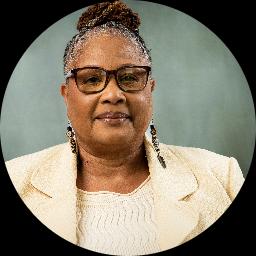
Texas · 17 yrs exp
LCSW - Grief and mood concerns
Stress, Anxiety · Addictions · Trauma and abuse · Grief · +1 more
Read profile
Virginia · 20 yrs exp
LCSW - Grief and life transitions
Stress, Anxiety · Grief · Self esteem · Depression · +1 more
Read profile
Illinois · 16 yrs exp
Illinois LCPC - Grief and related concerns
Stress, Anxiety · Addictions · Trauma and abuse · Bipolar · +6 more
Read profile
Texas · 10 yrs exp
Licensed Marriage and Family Therapist - Grief and Relationships
Stress, Anxiety · LGBT · Relationship · Grief · +12 more
Read profile
Mississippi · 9 yrs exp
Licensed Clinical Social Worker - Grief and Anxiety
Stress, Anxiety · Relationship · Family · Trauma and abuse · +9 more
Read profile
California · 24 yrs exp
Licensed therapist - Grief and mood concerns
Stress, Anxiety · Trauma and abuse · Grief · Bipolar · +1 more
Read profile
Florida · 3 yrs exp
Licensed Professional Counselor - Grief and Anxiety
Stress, Anxiety · Grief · Self esteem · Depression · +1 more
Read profile
Arkansas · 5 yrs exp
Licensed Clinical Social Worker - Grief and life changes
Stress, Anxiety · Trauma and abuse · Parenting · Anger · +8 more
Read profile
South Carolina · 3 yrs exp
Licensed Professional Counselor - Grief and Relationships
Stress, Anxiety · Relationship · Trauma and abuse · Grief · +4 more
Read profile
Kentucky · 5 yrs exp
Licensed Professional Clinical Counselor - Stress and Grief
Stress, Anxiety · Addictions · Self esteem · Depression · +3 more
Read profile
Maryland · 6 yrs exp
Licensed Clinical Social Worker - Grief and Trauma
Stress, Anxiety · Addictions · Relationship · Family · +16 more
Read profile
Virginia · 10 yrs exp
Licensed Clinical Social Worker - Stress and Grief
Stress, Anxiety · Self esteem · Career · Coping with life changes · +11 more
Read profile
Georgia · 23 yrs exp
Licensed counselor - Grief and anxiety
Stress, Anxiety · LGBT · Grief · Self esteem · +1 more
Read profile
Mississippi · 15 yrs exp
Licensed Professional Counselor - Grief and Stress
Stress, Anxiety · Family · Grief · Parenting · +1 more
Read profile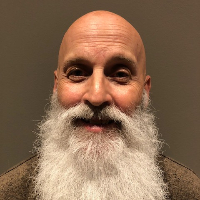
Missouri · 25 yrs exp
Licensed counselor - Relationships and Grief
Relationship · Parenting · Self esteem · Stress, Anxiety · +3 more
Read profile
Virginia · 5 yrs exp
LCSW - Anxiety and Grief support
Stress, Anxiety · LGBT · Grief · Depression · +1 more
Read profile
Florida · 30 yrs exp
FL Psychologist - Grief and Emotional Concerns
Stress, Anxiety · Grief · Anger · Depression · +15 more
Read profile
Hawaii · 20 yrs exp
LCSW - Grief and Trauma-focused care
Stress, Anxiety · Trauma and abuse · Grief · Depression · +1 more
Read profile
Michigan · 26 yrs exp
Licensed LMSW - Grief and Relationships
Stress, Anxiety · Addictions · Relationship · Grief · +14 more
Read profile
Kentucky · 12 yrs exp
Licensed Professional Clinical Counselor - Anxiety and Grief
Stress, Anxiety · Grief · Anger · Self esteem · +1 more
Read profile
Indiana · 13 yrs exp
Licensed Mental Health Counselor - Grief and Trauma
Stress, Anxiety · Trauma and abuse · Grief · Self esteem · +13 more
Read profileWhen you are coping with grief alongside Depression, the experience can feel layered and unpredictable. Grief after bereavement, grief tied to anticipated loss, grief following non-death losses such as job changes or relationship endings, and the return of strong reactions around anniversaries can all coexist with depressive symptoms. These are not mutually exclusive categories and sometimes the feelings you have will be complicated - sadness may be mixed with numbness, anger, guilt, or relief. It is important to remember that grief is not a disorder to be fixed and there is no set timeline for how it will unfold. You may find periods of intense emotion interspersed with stretches of relative calm, and that pattern can change over months or years.
If you are experiencing thoughts of harming yourself or are in immediate danger, contact the 988 Suicide and Crisis Lifeline by calling or dialing 988 to get urgent support. That resource is available for anyone in crisis and can help connect you with local assistance. For ongoing care, thinking about how Depression and grief interact for you will help guide the kinds of questions you bring to a conversation with a clinician, and it can also shape the practical concerns you want addressed, such as how anniversaries and reminders are handled or how anticipated loss is prepared for.
This page groups profiles of clinicians who list Depression and grief among their focus areas so you can compare professionals who mention both topics. A listing of a topic on a profile does not by itself demonstrate a particular certification, a diagnostic service, or a defined treatment outcome. The directory reflects information that clinicians supply about their focus areas and approaches, and those details are intended to help you narrow options for further inquiry.
Profiles will typically show an individual listed location and summaries of focus areas, background, and languages. That listed location can help you confirm whether a clinician intends to work with people in your area, but you should reach out directly to verify a clinician's current professional license or registration and to confirm permission to work with you in your state or country. Academic degrees such as PhD, PsyD, MD, MA, or MSW indicate educational achievement; they are not the same as a professional license or registration and do not by themselves establish current permission to practice. Asking about licensure, registration, and jurisdiction is an important early step before beginning care.
When you review profiles, identify concrete questions that will clarify how a clinician might address the concerns you bring. You may want to ask which populations they most often work with and whether they have experience with bereavement, anticipated loss, anniversaries, or grief after non-death losses. Ask how they conceptualize the relationship between Depression and grief in their work and what kinds of supports they typically discuss with people in similar situations. If a profile lists specific approaches, you can ask for a description - for example, therapists who list EMDR among their approaches can explain how they use that approach and whether it is offered for grief-related processing in their practice.
Other practical questions include how a clinician structures sessions, what a typical focus might be early in care, and how progress or changes are discussed. You can ask about whether they work mainly with individuals, couples, or families, since a listed topic does not guarantee work with all client types. It is reasonable to ask about language ability and cultural experience as these can matter for how you describe and process loss. Finally, confirm the clinician's professional license or registration and whether they have permission to practice with you in your listed location before proceeding.
If you are considering remote or telehealth sessions, there are several practical topics to discuss before starting. Talk about how sessions will be conducted technically and what options exist if a connection fails. Clarify the clinician's approach to emergencies and crisis planning so you know what steps to take if you feel unsafe between sessions. Because jurisdictions differ, confirm that the clinician has permission to work with you in your state or country and that their listed location aligns with those permissions.
Conversation about session rhythm and communication preferences is also useful. Discuss how you and the clinician will handle scheduling, cancellations, and follow-up messages. If anniversaries or triggers are a concern, ask how the clinician typically prepares for those dates and whether they include practical or ritual elements in sessions when appropriate. Language and accessibility needs should be raised early so the clinician can confirm whether they can meet them. If finances or insurance are a consideration, discuss what documentation is available so you can make an informed choice. Always be clear about any limitations you have so the clinician can describe whether their scope of practice aligns with your needs.
Comparing profiles is about matching the practical and relational qualities you value. Focus areas can indicate what a clinician talks about most often, so look for profiles that mention bereavement, anticipated loss, complicated feelings, anniversaries, or grief after non-death losses if those terms match your experience. Pay attention to the language used in a profile - a clinician who describes their work as exploratory may have a different session tone than one who emphasizes structured skill-building. Profiles that list languages are helpful if you prefer to speak in a language other than English; consider reaching out to confirm conversational fluency.
When you review credentials, notice both academic degrees and any stated professional licenses or registrations. Degrees such as PhD, PsyD, MD, MA, or MSW provide context about training, while licenses or registrations indicate the legal authorization to practice. Because a degree does not equate to licensure, you should ask directly about current licensure status and the jurisdictions in which the clinician is permitted to work. Style matters too - read the profile's tone and example descriptions of work to get a sense of whether a clinician emphasizes emotional exploration, practical coping skills, or a mixture of approaches. You can use those observations to form a short list of profiles to contact and to prepare targeted questions that reflect what matters most to you.
In the end, profiles help you narrow options, but decisions about care are best made through direct conversation. Use profiles to identify clinicians who mention the topics and approaches you care about, verify licensure and permission to practice in your listed location, and ask concrete questions about experience with grief, Depression, anniversaries, and related concerns. If you are in crisis at any point, call or dial the 988 Suicide and Crisis Lifeline for immediate support. Take your time comparing profiles and trust the process of asking clear questions so you can find a clinician whose approach and style align with your needs.
Alabama
89 therapists
Alaska
10 therapists
Arizona
50 therapists
Arkansas
34 therapists
California
367 therapists
Colorado
106 therapists
Connecticut
46 therapists
Delaware
14 therapists
District of Columbia
14 therapists
Florida
402 therapists
Georgia
148 therapists
Hawaii
24 therapists
Idaho
26 therapists
Illinois
156 therapists
Indiana
68 therapists
Iowa
21 therapists
Kansas
24 therapists
Kentucky
40 therapists
Louisiana
86 therapists
Maine
20 therapists
Maryland
78 therapists
Massachusetts
54 therapists
Michigan
172 therapists
Minnesota
54 therapists
Mississippi
52 therapists
Missouri
114 therapists
Montana
24 therapists
Nebraska
17 therapists
Nevada
17 therapists
New Hampshire
13 therapists
New Jersey
91 therapists
New Mexico
18 therapists
New York
208 therapists
North Carolina
153 therapists
North Dakota
3 therapists
Ohio
95 therapists
Oklahoma
64 therapists
Oregon
39 therapists
Pennsylvania
155 therapists
Rhode Island
9 therapists
South Carolina
95 therapists
South Dakota
9 therapists
Tennessee
56 therapists
Texas
447 therapists
Utah
29 therapists
Vermont
9 therapists
Virginia
82 therapists
Washington
52 therapists
West Virginia
17 therapists
Wisconsin
51 therapists
Wyoming
13 therapists