- Grief and loss
- ACT and CBT
- Hospice focus
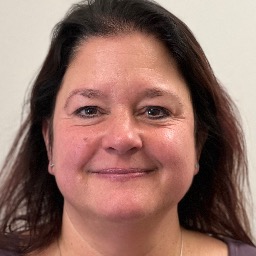
About Brenda
Brenda Witt is an LCSW (Licensed Clinical Social Worker) with 20 years of experience in North Dakota. She works with people dealing with stress, anxiety, relationship problems, grief, depression, and life changes. She also supports those facing addictions, trauma and abuse, intimacy concerns, parenting strain, and issues like burnout and compassion fatigue.
Brenda centers sessions on listening so people feel heard. She uses straightforward conversation to identify barriers and practical steps forward. Sessions focus on what matters most to the person and on skills that can be used between meetings.
Her work draws on several approaches. She uses Acceptance and Commitment Therapy to help people clarify values and act on them, and Cognitive Behavioral Therapy to spot unhelpful thoughts and shift patterns. Client-Centered methods shape the way she listens and responds in session.
Brenda also incorporates skills from Dialectical Behavior Therapy when people need help with emotion regulation and coping. Existential ideas come into play when people face big questions after loss or during major life change. She combines these approaches to match the situation at hand.
People choosing Brenda can expect practical, down-to-earth sessions. She encourages small, manageable steps and checks in on what is working. For those exploring hospice or end-of-life concerns, she brings focused attention to the specific stresses that arise around serious illness and loss.
How her clinical approaches work online
Acceptance and Commitment Therapy (ACT) helps people connect with their values and take small actions that matter, even when strong emotions are present. Cognitive Behavioral Therapy (CBT) focuses on identifying unhelpful thoughts and testing new ways of thinking and behaving to reduce distress. Client-Centered Therapy emphasizes listening and reflection so the person’s priorities guide the work.Finding the right approach is part of the process. Brenda will work with each person to decide which methods fit their needs, goals, and preferences. That choice happens collaboratively and can shift as the work progresses.
The biography does not specify session formats, so confirm current options before booking. Online sessions can make it easier to fit appointments into a busy week, allow shorter check-ins when time is limited, and reduce travel time. Many people find that regular online meetings help them practice skills between sessions and keep momentum while coping with loss.
Areas of expertise
Primary focus
Also works with
Additional focus areas
Therapeutic approaches
Experience
20+ years
Credentials
North Dakota
Languages
English
Frequently asked questions
What kinds of loss does she help with?
She works with people grieving death and other losses such as relationship endings, health changes, and shifts in life roles.
What is her therapeutic style?
She listens closely and uses practical conversation to identify barriers and next steps that fit the person’s life.
How much experience does she have?
She has 20 years of clinical experience working with a wide range of concerns including grief, trauma, and addiction.
What credential and location does she hold?
She is an LCSW (Licensed Clinical Social Worker) based in North Dakota.
Does she work with people who live outside the US?
Sessions are offered in English and she accepts international clients.
What session formats are available?
The original biography does not list session formats; please confirm current session options before booking.
How does payment work and what does it cost?
Cost varies with location and sessions use a subscription that can be canceled at any time.
How do I start a first session?
Select the See online therapy options button, complete a short matching questionnaire, and schedule a first session.
Online talk therapy is not emergency care, and no counselor can promise how grief will feel or when it will ease. If you are thinking about suicide or feel unsafe, call or text 988, or call 911. Crisis information