- Client-centered care
- Cognitive behavioral tools
- Disaster coping focus
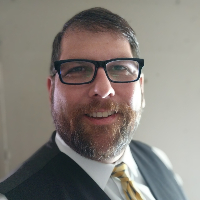
About Brian
Brian Adams is a Licensed Professional Counselor (LPC) in Texas with 11 years of counseling experience and more than 20 years working in mental health. He works with people who are dealing with stress, anxiety, depression, grief, anger, low self-esteem, bipolar disorder, ADHD, and major life changes. He also has a focus on coping after natural or human-caused disasters.
His style is gentle and non-directive. He encourages clients to find their own ways to change. He does not chastise or talk down to people. He will point out irrational thoughts and inconsistencies, but does so without confrontation.
Brian combines client-centered methods with cognitive behavioral techniques and elements of rational-emotive and humanistic approaches. That mix aims to increase self-awareness and help people try different ways of responding to problems. He emphasizes treating the person rather than treating a diagnosis.
Sessions are conversational and practical. He listens to what matters to the person first, then helps set steps to test new ways of thinking and behaving. For people grieving a death or other loss, this can mean pacing conversations about painful memories and practicing small coping moves between sessions.
He frames progress as gradual and collaborative. People who want clear options and occasional challenge alongside steady support often find this approach useful. To start, someone chooses the online therapy options, completes a short matching questionnaire, and schedules a first session.
How his approaches work in online sessions
Client-Centered Therapy focuses on listening and reflecting what the person says. It helps people feel heard and clarifies what they want to change. Cognitive Behavioral Therapy (CBT) looks at thoughts and behaviors together. It uses simple experiments and practice to test new ways of thinking and acting.Finding the right approach is part of the work. He will collaborate with the client to decide which methods fit their needs, goals, and preferences. That choice may shift over time as the client tries tools and reports what helps.
Practical benefits of online sessions include fitting therapy into busy days and keeping conversations consistent across locations. Because formats are not listed in the biography, confirm the session options before booking. Online work can make it easier to check in after a difficult event, try brief focused exercises between meetings, or schedule sessions around work or caregiving commitments.
Areas of expertise
Primary focus
Also works with
Additional focus areas
Therapeutic approaches
Experience
11+ years
Credentials
Texas, Arkansas
Languages
English
Frequently asked questions
What kinds of concerns does he help with?
He works with stress, anxiety, depression, grief, anger, self-esteem issues, bipolar disorder, ADHD, and coping with life changes, including disaster-related stress.
How would you describe his therapy style?
He uses a gentle, non-directive approach that still challenges unhelpful thoughts. Sessions are conversational and focus on practical steps.
How much experience does he have?
He has 11 years of counseling experience and more than 20 years working in mental health settings.
What are his credentials and where is he located?
He is a Licensed Professional Counselor (LPC) licensed in Arkansas and Texas and practices from Texas.
Which languages are supported and can international clients join?
Sessions are offered in English. He is not accepting international clients at this time.
What session formats are offered?
Confirm current session options before booking, as the biography does not specify formats. Please check the online therapy options when you sign up.
How are sessions paid for?
Cost varies with location and sessions use a subscription that can be canceled at any time.
How do I begin working with him?
Select the See online therapy options button, complete a short matching questionnaire, and schedule your first session.
Online talk therapy is not emergency care, and no counselor can promise how grief will feel or when it will ease. If you are thinking about suicide or feel unsafe, call or text 988, or call 911. Crisis information