- Attachment-based work
- CBT techniques
- Client-centered care
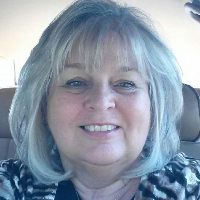
About Carol
Dr. Carol Parham is a Florida licensed mental health counselor (LMHC) with 16 years of clinical experience. She works with people facing stress, anxiety, trauma and abuse, depression, relationship and family concerns, parenting challenges, grief, and anger. Dr. Parham also focuses on issues such as attachment, abandonment, aging and life purpose.
She offers straightforward talk and practical tools. Sessions often include looking at how past relationships shape current feelings, and learning small changes in thinking and behavior that ease daily strain. She draws on approaches that focus on relationships and on changing unhelpful patterns of thought and behavior.
Dr. Parham pays attention to communication problems and codependency, and helps people who are coping with divorce, blended family stresses, adoption and foster care histories, or caregiving and aging questions. She works with feelings like guilt, shame, impulsivity, and paranoia in concrete ways rather than only discussing them.
Her practice uses client-centered techniques to listen and reflect what matters to each person. Attachment-based ideas guide work on connection and loss. Cognitive behavioral tools are used to identify and test unhelpful thoughts and behaviors.
People meet with her to sort through grief and to plan steps for moving forward after loss or major change. She encourages small, manageable actions that fit into daily life and notes progress as it happens.
How her approaches translate to online care
Dr. Parham works from attachment-based, client-centered, and cognitive behavioral approaches. Attachment-based work looks at patterns in relationships and how early bonds shape feelings now; it can help with grief, abandonment, and family problems. Client-centered methods emphasize listening and reflecting so the person feels understood and can set their own goals. Cognitive behavioral work focuses on identifying unhelpful thoughts and testing small changes in behavior to reduce anxiety or depression.Finding the right approach is a joint process. She discusses goals and preferences with each person and adjusts methods over time. That might mean using more relationship-focused work at first, then shifting to cognitive tools for day-to-day coping as needs change.
The practical benefits of online work include fitting sessions into busy days and avoiding travel time. Online sessions can make it easier to keep regular check-ins during life transitions or caregiving responsibilities. Because specific session formats were not listed in the biography, confirm current session options before booking so you know how sessions will be delivered and what will fit your schedule.
Areas of expertise
Also works with
Additional focus areas
Therapeutic approaches
Experience
16+ years
Credentials
Florida
Languages
English
Frequently asked questions
What kinds of grief and loss does she address?
She works with grief after death and losses such as relationship endings, health changes, or shifts in life roles. The focus is on understanding how the loss affects daily life and relationships.
What is her therapeutic style like?
Her style is direct and practical, combining listening with concrete techniques. She uses relationship-focused and cognitive methods to address feelings and behavior.
How much clinical experience does she have?
She has 16 years of experience supporting people through trauma, stress, grief, and major life transitions.
What are her credentials and where is she based?
She is a Florida LMHC and practices in Florida.
Which languages are supported for sessions?
Sessions are offered in English.
Can people from other countries work with her?
She does not accept international clients at this time.
How are fees and payment handled?
Cost varies with location and sessions use a subscription model that can be canceled at any time.
How do I begin a first session?
Select the See online therapy options button, complete a short matching questionnaire, and schedule a first session.
Online talk therapy is not emergency care, and no counselor can promise how grief will feel or when it will ease. If you are thinking about suicide or feel unsafe, call or text 988, or call 911. Crisis information