- Grief
- Trauma and abuse
- Anxiety
About Corey
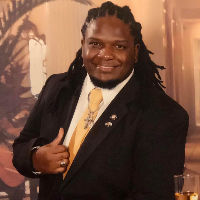
Corey Winston is an LCSW - Licensed Clinical Social Worker in North Carolina with 13 years in mental health work and five years providing therapy. He lists grief among the concerns he supports, alongside stress, anxiety, addictions, trauma and abuse, depression, and other life challenges.
He began in the field in 2007 and has worked with people across intellectual and developmental disabilities, mental health, and substance use populations. His academic background includes a Bachelor of Arts in Sociology and a Master of Social Work from The University of North Carolina at Pembroke. That training informs how he talks with people about daily struggles and long-term challenges.
Corey emphasizes helping people access services and make choices about their lives. In sessions he focuses on practical steps that help with coping and day-to-day functioning. He aims to treat each person with respect and without bias.
Clients can expect straightforward conversation about problems like sleep, eating, anger, and relationship concerns. He also addresses career stress, parenting strains, ADHD, bipolar disorder, and adjustments after loss.
Corey describes his work as goal-oriented and person-focused, helping people consider options and pursue aspirations. He has worked in community settings and clinical roles, bringing experience from several service areas to his therapy work.
Therapeutic approaches and online sessions
Corey lists evidence-based therapeutic techniques as the foundation of his work. One common approach focuses on skills for managing anxiety and stress, teaching practical tools to reduce overwhelming thoughts and improve daily routines. Another approach targets coping with trauma and abuse by helping people process difficult memories and build strategies for handling triggers and emotional reactions.Finding the right approach is part of the work together. Corey will collaborate with each client to choose methods that fit their current needs, goals, and preferences, adjusting techniques as progress is made.
Session options are not specified in the biography, so confirm current online formats before booking. Online work can make it easier to fit therapy into a busy day, reduce travel time, and allow check-ins from different locations. It can also allow shorter or more frequent sessions when that supports coping. Licensed professionals and therapists commonly use online sessions to make care more practical for everyday life, and Corey will discuss which arrangement suits a client best during the intake and early sessions.
Areas of expertise
Primary focus
Also works with
Experience
13+ years
Credentials
North Carolina
Languages
English
Frequently asked questions
What kinds of concerns does he help with?
He supports people with grief, stress, anxiety, addictions, trauma and abuse, depression, sleep and eating issues, anger, self-esteem, career concerns, bipolar disorder, ADHD, relationship and parenting challenges.
What is his therapeutic approach and style?
He uses evidence-based therapeutic techniques and focuses on practical steps. Sessions emphasize discussion of goals and options rather than lengthy technical explanations.
How long has he worked in mental health?
He has worked in the mental health field since 2007 and has provided therapy for five of those years, totaling 13 years of broader experience.
What are his credentials and where is he based?
He is an LCSW - Licensed Clinical Social Worker licensed in North Carolina and practices from that state.
Which languages are sessions offered in?
Sessions are offered in English.
Can people outside the United States work with him?
He does not accept international clients at this time.
How are sessions priced?
Cost varies by location and sessions use a subscription that can be canceled at any time.
How do I begin a first session?
Select the See online therapy options button, complete a short matching questionnaire, and schedule your first session.
Online talk therapy is not emergency care, and no counselor can promise how grief will feel or when it will ease. If you are thinking about suicide or feel unsafe, call or text 988, or call 911. Crisis information