- CBT focus
- Emotion work
- Hypnotherapy elements
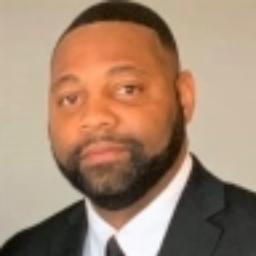
About Damien
Dr. Damien Johnson is a Licensed Professional Counselor (LPC) and a Licensed Clinical Mental Health Counselor (LCMHC) with 17 years of experience. He works with stress, anxiety, addictions, grief, trauma, depression, relationship and intimacy issues, parenting concerns, anger, bipolar disorder, ADHD, and coping with life changes.
Johnson uses a practical, person-centered way of working. He pays attention to how thoughts, feelings, and behaviors connect. Sessions focus on clear goals and small, usable steps that people can try between meetings.
He draws on Cognitive Behavioral Therapy to look at thought patterns and habits that keep problems going. Emotionally-Focused Therapy ideas are used when relationship feelings need attention. He also brings elements of existential thinking and hypnotherapy when those approaches match a person's needs.
Johnson’s background includes a B.S. in Criminal Justice, an M.A. in Counseling, and a Ph.D. in Human Services. He maintains licensure as SC LPC and NC LCMHC and has worked in clinical and community outreach settings focused on mental health and substance use concerns.
People who see him can expect focused conversations, practical tools, and collaborative planning. The aim is to help people manage symptoms, make day-to-day changes, and develop clearer ways to cope with loss and other major life shifts.
Therapeutic approaches and how online sessions work
Client-Centered Therapy focuses on the person's experience and preferences. It means sessions are driven by what the client brings and by agreed goals. This approach can help when grief or life changes feel overwhelming and a clear, steady listening style is wanted.Cognitive Behavioral Therapy (CBT) looks at how thoughts shape feelings and actions. It uses exercises and small experiments to shift unhelpful patterns. CBT can be useful for anxiety, depression, and some aspects of addiction recovery.
Emotionally-Focused Therapy (EFT) concentrates on identifying and naming strong emotions in relationships. It can help people understand attachment and closeness issues that come up during grief or after losses.
Choosing an approach is a joint process. The therapist will work together with the client to decide which methods fit the person’s priorities and goals. That can mean trying one method for several sessions and adjusting based on how it feels.
The profile lists messaging, live chat, phone, and video among offered formats. Confirm the current session options before booking so you know which formats are available. Online sessions can make it easier to fit therapy into busy days, allow shorter check-ins when needed, and let people avoid travel time while keeping regular contact with a licensed professional.
Areas of expertise
Primary focus
Also works with
Therapeutic approaches
Experience
17+ years
Credentials
South Carolina, North Carolina
Languages
English
Frequently asked questions
What kinds of loss does he address?
He lists grief alongside death and non-death losses such as major life changes and relationship endings.
What is his therapeutic style like?
He uses a person-centered style with practical, goal-focused work that looks at thoughts, feelings, and behaviors.
How many years has he practiced?
He has 17 years of experience in counseling and community outreach.
What credentials and region does he hold?
He is credentialed as an LPC in South Carolina and as an LCMHC in North Carolina and practices from South Carolina.
Can sessions be conducted in other languages?
Sessions are offered in English.
Does he work with international clients?
International clients are accepted, so people outside the U.S. can inquire about working together.
How are sessions scheduled and what formats are used?
The profile indicates messaging, live chat, phone, and video as offered formats; confirm current session options before booking.
How are fees and subscriptions handled?
Cost varies with location and sessions use a subscription that can be canceled at any time.
Online talk therapy is not emergency care, and no counselor can promise how grief will feel or when it will ease. If you are thinking about suicide or feel unsafe, call or text 988, or call 911. Crisis information