- Client-Centered Therapy
- Cognitive Behavioral Therapy
- Mindfulness techniques
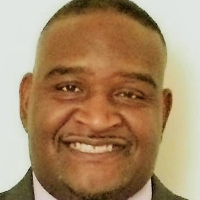
About David
LCSW David Robertson has 10 years of clinical experience and practices in Georgia. He helps people cope with stress, anxiety, grief, depression, relationship concerns, addiction, and other life changes. David also lists work with caregiver stress, hospice and end-of-life issues, and veteran and armed forces concerns among his focus areas.
David trained with a Master of Social Work from Stony Brook University and holds the credentials LCSW and CSW. He uses straightforward, person-focused methods that encourage honest conversation. Sessions aim to identify practical steps and clearer thinking rather than jargon or long lectures.
In session he listens to what matters most and uses Client-Centered approaches to keep the conversation grounded in the client’s priorities. He also draws on Cognitive Behavioral Therapy to help people notice and change unhelpful thinking. Mindfulness methods are offered to develop stress management skills and present-moment awareness.
People come to him for help with grief after a death or major loss, for support during serious illness, or when life transitions feel overwhelming. He is experienced supporting people through anger, shame, and caregiver burden as well as practical problems like money stress and career choices.
David’s approach is direct and practical. He works with people to set manageable goals, practice new skills between sessions, and track small changes. For those exploring whether counseling fits their needs, he recommends a short first session to see how the approach feels.
How his approaches translate to online work
Client-Centered Therapy focuses on listening and following the client’s lead. Online sessions using this approach prioritize the topics the client brings and support steady, self-directed progress.Cognitive Behavioral Therapy (CBT) helps people spot unhelpful thoughts and test different behaviors. In an online setting CBT sessions often include clear skill practice, worksheets, and short homework tasks to try between meetings.
Mindfulness Therapy teaches simple attention and breathing practices that reduce stress and ground attention. These are taught in short exercises and can be practiced between sessions to build steady routines.
Choosing the right approach is part of the work. The therapist will talk with the client about goals, preferences, and what has or hasn’t helped before. Together they decide which methods to try and adjust them as needed.
Session logistics should be confirmed before booking since formats were not specified in the biography. Many people find online work easier to fit into a busy schedule, allow a shorter check-in during a lunch break, or avoid travel time. Confirm the exact session options when you schedule so they match your circumstances.
Areas of expertise
Primary focus
Also works with
Additional focus areas
Therapeutic approaches
Experience
10+ years
Credentials
Georgia
Languages
English
Frequently asked questions
What kinds of concerns does he help with?
He supports people dealing with grief, anxiety, depression, stress, relationship struggles, addiction, and caregiver or end-of-life issues.
What is his therapeutic style?
He practices a person-centered style that focuses on what the client finds most important, combined with practical skills and strategies.
How much experience does he have?
He has 10 years of clinical experience working in a variety of settings and populations.
What are his credentials and where is he based?
He holds the credentials LCSW and CSW and works in Georgia.
Which languages are offered and can he see international clients?
Sessions are offered in English and he does not accept international clients.
What session formats are available?
The original biography does not list specific session formats; confirm current session options before booking.
How are sessions paid for?
Cost varies with location and sessions use a subscription that can be canceled at any time.
How do I begin working with him?
Select the See online therapy options button, complete a short matching questionnaire, and schedule a first session.
Online talk therapy is not emergency care, and no counselor can promise how grief will feel or when it will ease. If you are thinking about suicide or feel unsafe, call or text 988, or call 911. Crisis information