- Client-Centered Therapy
- Cognitive Behavioral Therapy
- Bible based counseling
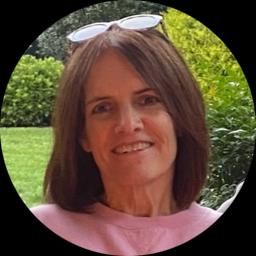
About Dawn
Dawn Thompson is a Licensed Clinical Mental Health Counselor (LCMHC) in North Carolina with 26 years of clinical experience. She works with stress, anxiety, depression, grief and relationship concerns, and also addresses parenting and family-related issues. Dawn integrates faith-based perspectives for clients who request Bible-based Christian counseling.
Her approach favors clear, practical conversations. She uses client-centered methods to listen and reflect what matters most to each person. Cognitive Behavioral Therapy tools are used to identify unhelpful thoughts and test new behaviors. Motivational Interviewing helps people find their own reasons to make changes.
Dawn has worked across public mental health agencies, church settings, and independent practice. That range of experience informs how she adapts talks and exercises to everyday life. She keeps things direct and uses simple steps people can try between sessions.
Sessions often focus on coping strategies for grief, managing mood swings related to bipolar concerns, and reducing social anxiety or isolation. She also helps with family of origin issues, caregiver stress, codependency, and the practical fallout of divorce or separation.
People who prefer faith-integrated care can request Bible-based Christian counseling as part of the work. Dawn combines narrative and solution-focused techniques when helping people make sense of their story and try concrete changes.
Her background in speech communications and agency counseling guides a conversational, goal-minded style. Prospective clients should confirm current session formats before scheduling.
How her approaches translate to online work
Dawn commonly uses Client-Centered Therapy and Cognitive Behavioral Therapy in her sessions. Client-Centered Therapy focuses on listening closely and reflecting what matters so the client feels heard and can steer the work. Cognitive Behavioral Therapy breaks problems down into thoughts, feelings, and actions and offers concrete experiments to test new ways of coping.She also draws on Motivational Interviewing to help people clarify their own reasons for change and build on personal strengths. Together these methods allow practical, step-by-step work on grief, anxiety, family issues, and mood concerns while respecting each person's beliefs and goals.
Choosing the right approach is part of the process. Dawn will work collaboratively to identify which methods fit a person's needs, goals, and preferences and will adjust the plan as those needs change.
Session formats are not specified here, so confirm current options before booking. Many people find online sessions make it easier to fit counseling into a busy week, allow shorter check-ins when needed, or remove travel time. Online meetings can also make it simpler to include faith perspectives or to work through practical next steps between sessions.
Areas of expertise
Primary focus
Also works with
Additional focus areas
Therapeutic approaches
Experience
26+ years
Credentials
North Carolina
Languages
English
Frequently asked questions
What concerns does she help with?
Dawn works with stress, anxiety, depression, grief, relationship and parenting concerns, along with caregiver stress and compassion fatigue.
What is her therapeutic style?
She uses a conversational, practical style that leans on client-centered listening and clear, simple steps to try between sessions.
How much experience does she have?
She has 26 years of experience working in public mental health agencies, church settings, and independent practice.
What are her credentials and where is she based?
She is an LCMHC licensed in North Carolina and practices with experience in that state.
Which languages are supported?
Sessions are offered in English.
Can people outside the U.S. work with her?
International clients are not currently accepted.
How are sessions arranged and what does it cost?
Cost varies with location; sessions use a subscription that can be canceled at any time.
How do I start a first session?
Select the See online therapy options button, complete a short matching questionnaire, and schedule a first session.
Online talk therapy is not emergency care, and no counselor can promise how grief will feel or when it will ease. If you are thinking about suicide or feel unsafe, call or text 988, or call 911. Crisis information