- Mindfulness techniques
- CBT strategies
- Values based work
About Deborah
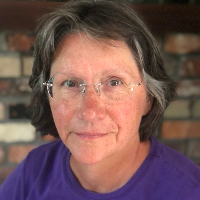
Deborah Osborn is a Licensed Clinical Social Worker (LCSW) and a Licensed Independent Clinical Social Worker (LICSW) with 25 years of experience. She lists stress, anxiety, relationship concerns, trauma and abuse, addictions, grief, depression, and other life changes among the issues she addresses. She practices in Idaho and holds licenses in California (CA LCSW) and West Virginia (WV LICSW).
Deborah began counseling in 1998 after completing a master’s degree in Counseling, then earned a second master’s in Clinical Social Work. Her work draws on several approaches rather than relying on one fixed method. She uses mindfulness and gratitude techniques alongside cognitive behavioral ideas and elements from solution-focused and reality therapy to shape practical steps forward.
In sessions she treats the person as the expert on their own goals. She listens first, then offers options and strategies to match what the client wants to work on. That can mean building skills for managing anxiety, making changes in relationships, coping with loss, or addressing patterns that keep someone stuck.
Deborah emphasizes strengths and practical planning. She aims to help clients identify small, doable steps and try them between meetings. Conversations may include skill practice, short behavioral experiments, and reflective work about values and what matters most.
Her style is collaborative and straightforward. She helps people clarify goals, track progress, and adjust the plan as needed. If you are looking for a clinician who combines practical techniques with reflective work, Deborah may be a fit.
Approaches used in online sessions
Acceptance and Commitment Therapy (ACT) focuses on clarifying personal values and taking small steps toward them, helping with meaning after loss and choices in difficult moments. Client-Centered Therapy centers the person's perspective, with the therapist following the client's lead and reflecting what matters most to them. Cognitive Behavioral Therapy (CBT) looks at how thoughts and behaviors interact and offers practical skill-building for anxiety, depression, and sleep problems.Choosing the right approach is part of the work. Deborah will collaborate with the client to identify which methods fit their goals and preferences, and she will adjust the plan as progress is tracked. That collaborative decision-making helps match tools to the issues a person brings, whether grief, anxiety, or relationship concerns.
The biography does not list specific session formats, so confirm the current online options before booking. Online sessions can make it easier to fit therapy into a busy schedule, reduce travel time, and allow for shorter check-ins when needed. Some people find phone or video sessions helpful for practicing skills between meetings and for keeping momentum when life gets hectic.
Areas of expertise
Primary focus
Also works with
Additional focus areas
Therapeutic approaches
Experience
25+ years
Credentials
Idaho, West Virginia, Washington, California
Languages
English
Frequently asked questions
What kinds of concerns does she address?
She works with stress, anxiety, relationship issues, trauma and abuse, addictions, grief, depression, and related life changes.
What is her therapeutic style?
Her approach is collaborative and practical, combining mindfulness, CBT, and solution-focused ideas to set achievable goals.
How much experience does she have?
She has 25 years of counseling experience, beginning after her first master’s degree in 1998 and followed by a second master’s in clinical social work.
What credentials and location are listed?
She holds LCSW and LICSW credentials and practices in Idaho with CA LCSW and WV LICSW license listings.
Which languages are supported?
Sessions are offered in English.
Does she work with international clients?
International clients are not currently accepted.
How are sessions billed?
Cost varies by location and sessions use a subscription that can be canceled at any time.
How do I begin a first session?
Select the See online therapy options button, complete a short matching questionnaire, and schedule a first session.
Online talk therapy is not emergency care, and no counselor can promise how grief will feel or when it will ease. If you are thinking about suicide or feel unsafe, call or text 988, or call 911. Crisis information