- Grief and loss support
- CBT and DBT skills
- Mindfulness practices
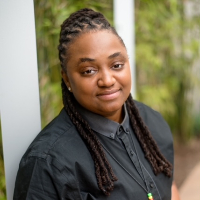
About Dianna
Dianna Roland-Sumlin is a Licensed Clinical Social Worker (LCSW) in Florida with 14 years of experience helping people with stress, anxiety, depression, relationship problems, and grief.
She works with adults from varied backgrounds, including people in the LGBTQ and BIPOC communities. She draws on several therapy methods so conversations focus on what matters now and what steps someone can try next. Sessions are practical and centered on the person's goals rather than long lectures about theory.
In the room she uses client-centered conversation to help people name their priorities and make decisions about change. She also uses cognitive behavioral tools to spot unhelpful thought patterns and DBT skills to manage intense emotions and reactions. Mindfulness practices and brief motivational interviewing are included when they fit the client's goals.
Dianna also has training in sport and exercise psychology and works with athletes on performance issues and the pressures that come with competition. That background informs a practical, results-minded approach for people juggling high demands or public expectations.
Sessions typically focus on clear, doable steps such as skill practice, behavior experiments, and short guided mindfulness exercises. People leave with specific strategies to try between sessions and a plan for the next conversation.
Using talk therapy approaches in online sessions
Client-centered therapy focuses on listening and helping the client identify their own goals and choices. It is useful when someone wants a space to sort priorities and decide next steps.Cognitive Behavioral Therapy (CBT) helps people notice thoughts and patterns that contribute to anxiety or low mood, and then test new ways of thinking and behaving. Dialectical Behavior Therapy (DBT) teaches concrete skills for tolerating distress and managing strong emotions when reactions feel overwhelming.
Finding the right approach is part of the work. The therapist will talk with each person about goals and preferences and then try methods that fit those needs. Over a few sessions she will check in and adjust the plan as needed, so therapy becomes a collaborative process.
Session formats are not specified in the biography, so confirm current online options before booking. Many people appreciate online sessions for fitting appointments around work or caregiving, avoiding travel time, and keeping therapy consistent when life gets busy. Online meetings can make it easier to practice brief mindfulness exercises, try CBT experiments between sessions, or schedule shorter check-ins on a day when a full session is difficult.
Areas of expertise
Primary focus
Also works with
Additional focus areas
Therapeutic approaches
Experience
14+ years
Credentials
Florida
Languages
English
Frequently asked questions
What kinds of loss does she work with?
She lists grief among her specialties and supports people coping with death and other major losses such as relationship endings or life changes.
What is her general approach in sessions?
She uses a client-centered style that focuses on the client's goals and preferences, combined with practical tools from CBT, DBT, and mindfulness.
How much clinical experience does she have?
She has 14 years of experience as a clinician working with mood, anxiety, grief, and related concerns.
What credentials and region apply?
She is a Licensed Clinical Social Worker (LCSW) licensed in Florida and practices from that state.
Which languages are supported?
Sessions are offered in English.
Does she work with international clients?
She does not accept international clients at this time.
How are sessions paid for?
Cost varies with location and sessions use a subscription model that can be canceled at any time.
How do I get started with her?
Select the See online therapy options button, complete the short matching questionnaire, and schedule a first session.
Online talk therapy is not emergency care, and no counselor can promise how grief will feel or when it will ease. If you are thinking about suicide or feel unsafe, call or text 988, or call 911. Crisis information