- Client-Centered Therapy
- Cognitive Behavioral tools
- Dialectical Behavior skills
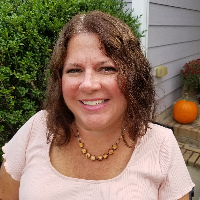
About Dina
Dina Velazquez is a Licensed Marriage and Family Therapist (LMFT) with five years of practice in North Carolina. She works with stress, anxiety, addictions, grief, depression, compassion fatigue, relationship concerns, trauma and abuse, parenting issues, self-esteem struggles, and coping with life changes. Sessions are conducted in English.
Dina uses a client-centered stance that focuses on each person's experience. She listens for what matters most and helps people notice patterns that get in the way. She also draws on specific skills from cognitive behavioral approaches and dialectical behavior strategies when those tools fit the issue at hand.
Her background includes work with people managing substance use and those facing chronic illness or caregiver strain. She has experience supporting people dealing with loneliness, panic, social anxiety, and the emotional impact of life transitions. These themes often appear alongside grief and loss.
In practical sessions she tends to combine talking with skill-building. That can mean practicing ways to manage panic, testing new ways of thinking, or learning grounding and emotion-regulation steps from DBT. She helps people try small, manageable changes between sessions.
Dina prefers to move at a pace the person can follow. She will discuss options and adapt methods based on a client's needs and goals. To begin, people complete a short matching questionnaire and schedule a first session through the online options button.
Therapeutic approaches used in online sessions
Client-Centered Therapy focuses on understanding each person's perspective and priorities. It involves reflective listening and helping people make sense of their feelings, which can be useful for grief, depression, and relationship strain.Cognitive Behavioral Therapy (CBT) looks at how thoughts, feelings, and actions connect. It teaches practical steps to test unhelpful thoughts and try different behaviors, which can help with anxiety, panic, and low mood.
Dialectical Behavior Therapy (DBT) offers concrete emotion-regulation and distress-tolerance skills. These tools are often used for intense emotions, panic, and patterns that keep repeating. The therapist can introduce short exercises and homework that fit day-to-day life.
Finding the right mix of approaches happens together. Dina will work collaboratively to identify goals and try methods that match those goals and personal preferences. That process may involve adjusting techniques as needs change.
Confirm the current session options before booking, since formats are not listed here. Online sessions can make it easier to fit therapy around work, caregiving, and medical appointments. They also allow shorter check-ins, fewer commute interruptions, and options that reduce the need to be on camera for every meeting.
Areas of expertise
Primary focus
Also works with
Additional focus areas
Therapeutic approaches
Experience
5+ years
Credentials
California, North Carolina
Languages
English
Frequently asked questions
What kinds of concerns does she work with?
Dina works with stress, anxiety, addictions, grief, depression, compassion fatigue, relationship issues, trauma and abuse, parenting concerns, self-esteem, and coping with life changes.
What is her therapeutic style?
She practices from a client-centered stance and adds techniques from CBT and DBT when helpful to the person's goals.
How much experience does she have?
She has five years of professional experience as an LMFT practicing in North Carolina.
What credentials and region are listed?
She is an LMFT and provides services in North Carolina; her credential is listed as LMFT.
Which languages are supported?
Sessions are offered in English.
Does she work with international clients?
She does not accept international clients at this time.
How are session costs handled?
Cost varies with location and sessions use a subscription that can be canceled at any time.
How do I get started?
Select the See online therapy options button, complete a short matching questionnaire, and schedule a first session.
Online talk therapy is not emergency care, and no counselor can promise how grief will feel or when it will ease. If you are thinking about suicide or feel unsafe, call or text 988, or call 911. Crisis information