- Grief support
- Depression and anxiety
- Communication skills
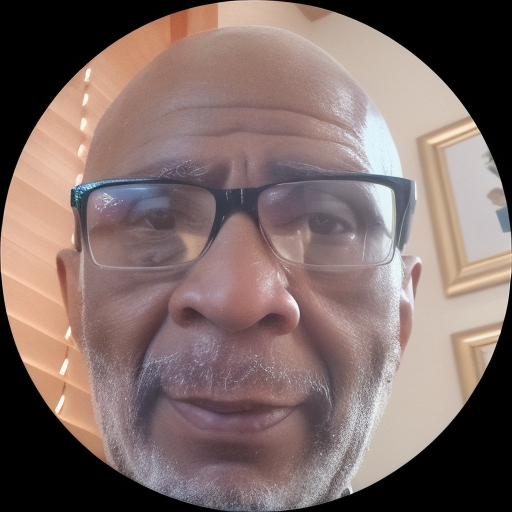
About Donald
Donald Giddens is an LCSW (Licensed Clinical Social Worker) with 40 years of clinical experience based in Illinois. He focuses on depression, anxiety, relationship concerns, grief, and major life changes, plus communication problems and control issues. Donald speaks English and practices with a long history of helping people with these common, often overwhelming problems.
Donald prefers a straightforward, collaborative approach. He listens first, then helps people name what feels most urgent. Sessions are practical and grounded in everyday language so clients can use what they learn between meetings.
He draws on many evidence-based therapeutic techniques to help people reduce stress, manage mood, and handle painful losses. His work often includes learning simple skills for difficult conversations and strategies to regain a sense of routine after big changes.
Donald aims to help people carry forward after loss rather than rush through it. He encourages small steps and experiments that fit each person’s life. He also pays attention to how communication habits and control struggles shape relationships and individual wellbeing.
People who choose Donald typically want a steady, experienced clinician who explains options clearly and focuses on practical change. To begin, he asks about current concerns and what the client hopes to get from therapy, then they plan the first few sessions together.
Therapeutic approaches and online sessions
Donald uses evidence-based therapeutic techniques to address mood, relationships, and grief. One common approach focuses on practical coping skills for anxiety and depression, teaching breathing, behavioral experiments, and activity planning to reduce overwhelming symptoms. Another approach centers on communication skills training, which helps people prepare for hard conversations and practice new ways of expressing needs and limits.Deciding which approaches to try is a collaborative process. The therapist will review your concerns, goals, and preferences and suggest options to try together. That plan can change as you learn what helps and what does not, with adjustments made session by session.
Please confirm available session formats before booking so you know what is offered. Online sessions can make it easier to fit therapy into a busy life, for example by allowing shorter check-ins during a work break or removing travel time. They also make it simpler to continue care after a move or a change in routine. Licensed professionals and therapists often find online work effective for talking through grief, practicing communication skills, and keeping steady momentum between in-person visits.
Areas of expertise
Primary focus
Additional focus areas
Experience
40+ years
Credentials
Illinois
Languages
English
Frequently asked questions
What concerns does he address?
He works with stress, anxiety, relationship problems, grief, depression, and coping with life changes, plus related communication and control issues.
What is his therapeutic style?
His style is collaborative and practical. He focuses on clear language, problem solving, and skills people can use outside sessions.
How much experience does he have?
He has 40 years of professional experience working with adults on mood, relationships, and loss.
What are his credentials and where is he based?
He is an LCSW (Licensed Clinical Social Worker) licensed in Illinois and practices from that state.
Which languages are offered?
Sessions are offered in English.
Can people from other countries work with him?
He is not accepting international clients at this time.
How does cost and payment work?
Cost varies with location; sessions use a subscription that can be canceled at any time.
How do I get started?
Select the See online therapy options button, complete a short matching questionnaire, and schedule a first session.
Online talk therapy is not emergency care, and no counselor can promise how grief will feel or when it will ease. If you are thinking about suicide or feel unsafe, call or text 988, or call 911. Crisis information