- CBT methods
- Client-centered work
- End-of-life issues
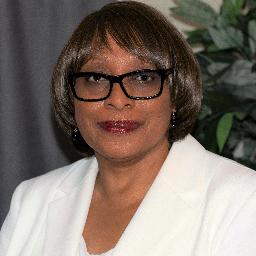
About Faye
Faye Powell is a Licensed Professional Counselor (LPC) in Georgia with eight years of experience. She works with people facing stress, anxiety, grief and loss, anger, and depression. She also supports those dealing with substance use concerns and related life stressors.
Faye uses straightforward, evidence-based approaches in sessions. She commonly draws on Cognitive Behavioral Therapy to help people notice unhelpful thinking and try different behaviors. She also works from a client-centered stance, which means conversations focus on the person's goals and what matters most to them.
In practice she listens for practical patterns that keep problems going. Then she helps people test small changes and build coping skills that fit daily life. Sessions often include setting clear, achievable steps between meetings.
Faye has experience with issues that arise later in life, medical-related stress such as cancer or HIV/AIDS, hospice and end-of-life concerns, and challenges linked to intellectual disability. She also addresses isolation, social anxiety, and self-worth concerns.
Her approach is direct and respectful. People who come to her can expect discussion of concrete goals, techniques to try between sessions, and regular review of progress. To get started she asks people to complete a short matching questionnaire and schedule an initial session.
How Faye uses structured approaches in online sessions
Faye draws on Cognitive Behavioral Therapy to help people spot thoughts and behaviors that contribute to distress. CBT sessions tend to include clear goals, practical experiments to try between meetings, and work on changing unhelpful thinking patterns.She also uses Client-Centered Therapy, which focuses sessions on what the person wants to address and how they prefer to work. That approach emphasizes listening and adapting the conversation to the client's stated needs and goals.
Choosing the right approach is part of the work together. Faye will discuss what methods fit a person's concerns, goals, and preferences and will adjust the plan as progress and needs change. This is a collaborative process rather than a one-size-fits-all prescription.
Confirm the current online session options before booking, since formats are not specified here. Online work can make it easier to fit appointments into a busy week, allow a shorter check-in when time is limited, or avoid travel when energy is low. Licensed professionals can still use the same CBT exercises and goal-setting strategies in remote sessions, helping people try practical changes between meetings.
Areas of expertise
Primary focus
Additional focus areas
Therapeutic approaches
Experience
8+ years
Credentials
Georgia
Languages
English
Frequently asked questions
What kinds of concerns does she help with?
She works with stress, anxiety, grief and loss, anger, and depression. She also supports people with substance use, isolation, and medical-related concerns.
What therapy approaches does she use?
She uses Client-Centered Therapy and Cognitive Behavioral Therapy (CBT). CBT is used to identify patterns and try different behaviors, while client-centered work keeps sessions focused on the person's goals.
How much experience does she have?
She has eight years of professional experience working in counseling roles. That experience includes work with grief, addiction, and end-of-life concerns.
What are her credentials and where is she based?
She is a Licensed Professional Counselor (LPC) licensed in Georgia. Her practice is listed as operating from Georgia.
Does she offer sessions in other languages?
Sessions are offered in English.
Can people from outside the United States work with her?
She does not accept international clients at this time.
How does pricing work?
Cost varies with location and sessions use a subscription that can be canceled at any time.
What steps are involved to begin therapy?
Start by selecting the See online therapy options button, complete a short matching questionnaire, and then schedule a first session.
Online talk therapy is not emergency care, and no counselor can promise how grief will feel or when it will ease. If you are thinking about suicide or feel unsafe, call or text 988, or call 911. Crisis information