- Cognitive Behavioral Therapy
- Mindfulness practice
- Spanish and English
About Gladys
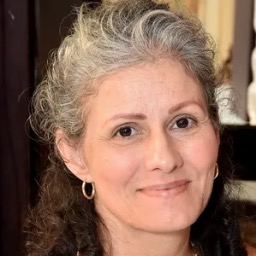
LICSW social worker with 25 years of experience, Gladys Cano focuses on grief, stress, anxiety, relationship concerns, and other losses. She works with adults and with couples and families, helping people talk through what feels overwhelming and find practical ways to cope.
Gladys uses clear, straightforward methods in sessions. She describes her clinical focus as Cognitive Behavioral Therapy, mindfulness, and strength-based work. In practice that means identifying patterns of thinking, trying small behavior changes, and noticing moments of resilience.
She spent more than two decades providing counseling in both English and Spanish. That experience includes years supporting Latino immigrants as they adjust to life in a new culture. Gladys also served 21 years in the U.S. Army Reserves, where she worked with soldiers and their families during deployments.
Gladys earned a Master of Arts in Clinical Social Work from Boston University in 1994 and holds the LICSW credential. Her style is direct and respectful; sessions focus on practical steps people can try between meetings and on understanding how feelings and behaviors connect.
People considering her work can expect an emphasis on problem solving, skill practice, and attention to cultural context. She aims to help clients regain balance after a loss and to support realistic coping strategies for day-to-day life.
Therapeutic approaches used in online sessions
Gladys lists Cognitive Behavioral Therapy as a main approach; this focuses on how thoughts and actions influence feelings and helps people test small behavior changes to reduce distress. It can be useful for anxiety, depression, and coping after loss.She also uses mindfulness techniques, which involve simple attention practices and breathing methods to reduce reactivity and increase present-moment noticing. These practices can help with sleep, stress, and managing intense emotions.
The therapist describes strength-based work that highlights a persons existing resources and past coping successes. That approach points to concrete abilities a person can rely on while navigating grief or life changes.
Finding the right mix of methods is part of the work. Gladys collaborates with each client to choose approaches that fit their goals, preferences, and current needs. She reviews what has helped before and suggests small experiments to see what feels useful.
The biography does not specify session formats, so confirm the available options before booking. In general, online work can help fit therapy into a busy day, make shorter check-ins possible, and avoid travel time. It can also let people connect with a licensed professional in English or Spanish even when they are not local.
Areas of expertise
Primary focus
Also works with
Experience
25+ years
Credentials
Massachusetts, Rhode Island
Languages
English, Spanish
Frequently asked questions
What concerns does she address?
She supports people coping with grief, stress, anxiety, depression, relationship and family concerns, trauma and related issues.
What is her therapeutic style?
Her approach is practical and direct, using clear steps, reflection, and skill practice between sessions.
How much experience does she have?
She has 25 years of clinical experience working with adults and with couples and families.
What credentials and location are listed?
She holds an MA in Clinical Social Work and the LICSW credential, and she practices in Rhode Island.
Which languages are supported?
Sessions are offered in English and Spanish, and she accepts international clients.
What session formats are available?
The original biography does not list specific session formats; please confirm current session options before booking.
How are fees handled?
Cost varies with location and sessions use a subscription that can be canceled at any time.
How do I begin a first session?
Select the See online therapy options button, complete the short matching questionnaire, and schedule a first session.
Online talk therapy is not emergency care, and no counselor can promise how grief will feel or when it will ease. If you are thinking about suicide or feel unsafe, call or text 988, or call 911. Crisis information