- Client-Centered Therapy
- Cognitive Behavioral Therapy
- Mindfulness techniques
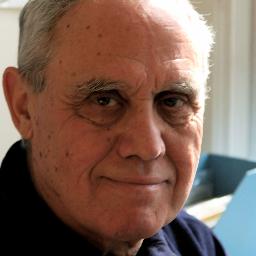
About Henry
Henry Meyerson is a NJ Psychologist with 50 years of experience. He works with stress, anxiety, relationship concerns, depression, grief, LGBT matters, and other life changes and struggles.
He earned a Doctorate in Clinical Psychology from the University of Houston and completed an internship at the University of Chicago Hospitals and Clinics. He then moved into clinical independent practice and later consulted to psychotherapy clinics and long-term physical rehabilitation facilities.
Much of his work has included the psychological effects of chronic medical conditions, including autoimmune disorders such as rheumatoid arthritis and lupus. He has treated people coping with chronic pain, illness, and disability alongside more common concerns like sleep problems and anger.
Henry combines cognitive behavioral therapy with a client-centered framework and psychodynamic ideas. Sessions focus on speaking plainly about the problem, identifying thoughts and behaviors that get in the way, and trying practical steps to change what isn’t working.
He also uses mindfulness and solution-focused techniques when they fit a person's needs. That can mean brief skills practice, focused goal-setting, and looking at past patterns that keep repeating. He works in English and sees clients from New Jersey as well as international clients.
To begin, he asks people to describe the concern and their goals. Early sessions are used to clarify what feels most urgent and to agree on small, workable steps forward.
Approaches used in online sessions
Henry frequently uses cognitive behavioral therapy, which focuses on identifying unhelpful thoughts and habits and trying concrete steps to change them. CBT is often useful for anxiety, depression, sleep problems, and managing stress.He also works within a client-centered framework that emphasizes listening to a person’s experience and shaping sessions around their concerns. Mindfulness techniques are used at times to teach simple attention and relaxation skills that can ease tension and improve focus.
Finding the right approach is part of the work together. The therapist will discuss goals and preferences, then test methods in early sessions to see what fits best. That collaboration guides whether the plan emphasizes skill practice, deeper exploration of past patterns, or short-term solution-focused steps.
The practical benefits of online work include fitting sessions into a busy day and avoiding travel time. Because the biography does not list specific session formats, confirm the available formats before booking so you know how sessions will be delivered. Online work can make it easier to schedule regular check-ins, try brief skill practices between appointments, and keep therapy as part of everyday life.
Areas of expertise
Primary focus
Also works with
Additional focus areas
Therapeutic approaches
Experience
50+ years
Credentials
New Jersey
Languages
English
Frequently asked questions
What kinds of loss does he support?
He works with grief from death and other losses such as relationship changes, health shifts, and major life transitions.
What is his therapeutic style?
He blends client-centered work with cognitive behavioral methods and psychodynamic ideas to talk through problems and try practical changes.
How much clinical experience does he have?
He has 50 years of experience, including independent practice and consulting to clinics and rehabilitation facilities.
What credential does he hold and where is he located?
He is a NJ Psychologist (NJ Psychologist 35SI00553300) practicing from New Jersey.
Can I work with him if I live outside the United States?
He accepts international clients and conducts sessions in English.
What session formats are offered?
Confirm current session options before booking, as the biography does not specify which online or in-person formats are used.
How are sessions paid for?
Cost varies with location and sessions use a subscription that can be canceled at any time.
What do I need to do to get started?
Select the See online therapy options button, complete a short matching questionnaire, and schedule a first session.
Online talk therapy is not emergency care, and no counselor can promise how grief will feel or when it will ease. If you are thinking about suicide or feel unsafe, call or text 988, or call 911. Crisis information