- CBT techniques
- Motivational Interviewing
- Solution-Focused work
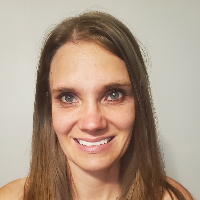
About Jacqueline
Jacqueline Walz is a Licensed Independent Clinical Social Worker (LICSW) in Minnesota with three years of documented experience. She works with people facing stress, anxiety, depression, grief, eating and body image concerns, low self-esteem, workplace issues, and coping with life changes.
She prefers a person-centered style that begins where the client is and focuses on what matters most to them. Sessions tend to be straightforward and conversational. She draws from practical methods like Cognitive Behavioral Therapy and Solution-Focused Therapy to address patterns of thinking and to set clear, achievable steps.
Jacqueline also uses Motivational Interviewing to help people find their own reasons to change and Narrative Therapy to look at the stories people tell about themselves. These approaches are mixed to fit each person’s goals rather than applied in a fixed order.
Her background includes work with adults and experience with aging and geriatric issues, hospice and end-of-life counseling, and workplace coaching. She has supported people dealing with eating and food-related issues, social anxiety, compassion fatigue, and forgiveness work.
Practical concerns are part of her approach. Sessions may focus on managing symptoms, improving day-to-day coping, or clarifying next steps for career and life transitions. Prospective clients should confirm current session formats before booking and follow the site’s steps to arrange a first meeting.
How her approaches guide online sessions
Jacqueline draws on Cognitive Behavioral Therapy and Motivational Interviewing to structure online work. CBT looks at how thoughts and behaviors interact and helps people test and change unhelpful patterns; it can be useful for anxiety, depression, and body image concerns. Motivational Interviewing is a short, goal-focused way of clarifying what matters to someone and building motivation for change, which fits issues like eating concerns or workplace shifts.She views finding the right approach as a collaborative process. The therapist and client discuss goals, try methods, and adjust the plan together if something isn’t working. That shared decision making helps shape sessions to the person’s needs and preferences rather than forcing a single method.
The practical benefits of online therapy include easier scheduling and fitting sessions into a busy life. Because the original biography did not list specific session formats, confirm current session options before booking to know how meetings are held. Online work can make it simpler to have shorter check-ins, arrange sessions around work breaks, or reduce travel time, while the therapist and client focus on clear steps and coping strategies that translate into daily life.
Areas of expertise
Primary focus
Also works with
Additional focus areas
Therapeutic approaches
Experience
3+ years
Credentials
Minnesota
Languages
English
Frequently asked questions
What kinds of loss does she address?
She lists grief as a supported concern and works with people coping with death and other significant losses.
What therapeutic style does she use?
Her style is person-centered and conversational, focusing on the client’s priorities and practical steps forward.
How much clinical experience does she have?
She has three years of documented experience as a licensed clinician.
What credential and region apply to her practice?
She holds a Minnesota LICSW and practices in Minnesota.
Which languages are offered for sessions?
Sessions are offered in English only.
Can international clients work with her?
She is not accepting international clients at this time.
How are session costs handled?
Cost varies with location and sessions use a subscription that can be canceled at any time.
What is the process to begin working together?
Use the See online therapy options button, complete a short matching questionnaire, and schedule a first session.
Online talk therapy is not emergency care, and no counselor can promise how grief will feel or when it will ease. If you are thinking about suicide or feel unsafe, call or text 988, or call 911. Crisis information