- CBT methods
- DBT skills
- Mindfulness
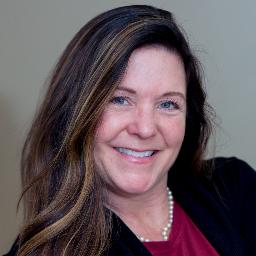
About Jill
Jill Holmes-Brown is a Licensed Clinical Social Worker (LCSW) in Connecticut with 20 years of clinical experience. She works with grief alongside concerns such as stress, anxiety, depression, trauma and abuse, relationship and family difficulties, addictions, and parenting challenges. Jill also addresses issues like attachment and abandonment, codependency, communication problems, and coping with life changes.
Jill trained at the University of Connecticut and completed a master’s degree focused on individual and group therapy in 1998. Her approach centers on building a strong working relationship and offering clear perspectives on problems you bring. Sessions begin at the client’s pace, with attention to cultural background and life context.
In practice she uses methods drawn from cognitive behavioral therapy, dialectical behavior therapy, mindfulness, and solution-focused work. That means sessions often include practical skills, attention to thoughts and behaviors, and short-term problem solving alongside mindfulness exercises. Jill aims to help people identify steps they can try between meetings.
She has experience across age ranges, including children, adolescents, young adults, and adults, and draws on two decades of clinical work to tailor session focus. Jill emphasizes straightforward communication about goals and next steps during early meetings.
If you are considering support for a loss, change, or persistent emotional difficulty, Jill will listen to what matters to you and discuss options for moving forward. To begin, use the service button to review session choices and schedule an initial meeting.
Therapeutic approaches and working online
Jill uses cognitive behavioral therapy to help people notice unhelpful thoughts and try different behaviors. CBT often focuses on concrete steps and short-term goals useful for anxiety, depression, and coping with change.She also uses dialectical behavior therapy skills to teach emotion regulation and distress tolerance. DBT techniques can be practical when intense feelings or relationship patterns make daily life harder.
Finding the right approach is part of the work. Jill will talk with each person about their symptoms, goals, and what feels most helpful, and then she will adjust methods as needed in collaboration with the client.
The biography lists that video sessions, phone sessions, messaging, and chat are options. Verify current session formats before booking so you know which will be used. Online sessions can make it easier to fit meetings into a busy schedule, allow shorter check-ins when needed, and let people connect without traveling to an office.
Areas of expertise
Primary focus
Also works with
Additional focus areas
Therapeutic approaches
Experience
20+ years
Credentials
Connecticut
Languages
English
Frequently asked questions
What kinds of loss does she support?
She supports people coping with bereavement and other losses such as relationships, health, or life changes.
What approach does she use in sessions?
She draws on cognitive behavioral therapy, dialectical behavior therapy, mindfulness, and solution-focused techniques to address symptoms and practical problems.
How long has she been practicing?
She has 20 years of clinical experience working with children, adolescents, young adults, and adults.
Where is she based and what is her credential?
She is a Connecticut LCSW, a Licensed Clinical Social Worker practicing in Connecticut.
Which languages are supported?
Sessions are offered in English.
Can people outside the United States work with her?
She is not accepting international clients at this time.
How are sessions priced?
Cost varies by location and sessions use a subscription that can be canceled at any time.
How do I begin working with her?
Select the See online therapy options button, complete the short matching questionnaire, and schedule a first session.
Online talk therapy is not emergency care, and no counselor can promise how grief will feel or when it will ease. If you are thinking about suicide or feel unsafe, call or text 988, or call 911. Crisis information