- Attachment approaches
- CBT and DBT tools
- Creative and somatic methods
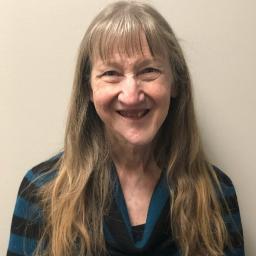
About Karen
Karen Murphree is a Licensed Clinical Social Worker (LCSW) with 30 years of experience. She works with adults on stress, anxiety, grief, depression, self-esteem, and life changes, and addresses relationship and intimacy-related concerns. Karen also lists trauma and abuse, compassion fatigue, and a range of focused issues that often come up alongside those concerns.
She describes a flexible, strength-based approach that draws from many ways of working. Sessions may include talking, guided imagery, music, art, ritual, movement, and practical education alongside evidence-based tools. She names methods such as cognitive behavioral techniques, dialectical behavior elements, attachment ideas, and EMDR among the tools she uses.
Karen also notes experience with issues many people find hard to talk about, including BDSM and kink culture, gender dysphoria, and nontraditional relationship forms. She identifies as LGBTQIA2S+, neurodivergent, genderfluid, and pansexual, which she says informs a practice that is affirming of diverse identities.
Her background includes prior work as an LPN and additional graduate-level study in natural and alternative healing and health coaching. That history shapes an interest in the food-mood connection, sleep and lifestyle factors, and how physical health and mental health interact.
In sessions she often offers educational links and practical resources to follow up between meetings. People who want a blend of talking therapy plus creative and body-based methods may find this combination helpful when they need tools to cope with loss, change, or ongoing stress.
How therapeutic approaches translate to online sessions
Attachment-Based Therapy focuses on patterns in close relationships. Online work using attachment ideas looks at how those patterns show up now and helps people practice different ways of relating. Cognitive Behavioral Therapy (CBT) breaks down difficult thoughts and behaviors into small parts. Online CBT typically uses short exercises, worksheets, and step-by-step techniques to change thinking and behavior. Eye Movement Desensitization and Reprocessing (EMDR) involves guided attention while processing upsetting memories; online sessions can adapt elements of EMDR work with clear pacing and preparation.Finding the right approach is part of the process. The therapist will work collaboratively to decide which methods fit a person’s needs, goals, and comfort level. That choice can be revisited as work continues so tools match how someone responds and what they want to address.
The profile does not list specific session formats, so confirm current options before booking. Many people find online work helps fit therapy into daily life because it can reduce travel time, allow shorter check-ins between in-person visits, or make it easier to meet around work and caregiving schedules. If creative or body-based practices are used, the therapist will explain how those can be adapted for remote sessions and suggest simple ways to set up materials or quieter surroundings so a session can focus on the work at hand.
Areas of expertise
Primary focus
Also works with
Additional focus areas
Therapeutic approaches
Experience
30+ years
Credentials
Kansas, Washington, Missouri, Montana, Idaho, Oregon
Languages
English
Frequently asked questions
Which concerns does she work with?
She works with stress, anxiety, grief, depression, self-esteem, coping with life changes, relationship and intimacy issues, trauma and compassion fatigue, and other related concerns.
What is her therapeutic style?
Her style mixes talking therapy with creative and body-centered techniques. She uses practical tools like CBT and DBT alongside imagery, movement, music, and rituals.
How much clinical experience does she have?
She brings 30 years of experience in clinical work and related health roles to her practice.
What are her credentials and where is she based?
She is an LCSW with licensure listed in OR and MO and practices from Montana.
Does she offer sessions in other languages or to international clients?
Sessions are offered in English and she is not accepting international clients.
What session formats are available?
The biography does not list specific session formats; please confirm current session options before scheduling.
How does pricing work?
Cost varies with location and sessions use a subscription that can be canceled at any time.
How do I begin a first session?
Start by selecting the See online therapy options button, completing a short matching questionnaire, and scheduling a first session.
Online talk therapy is not emergency care, and no counselor can promise how grief will feel or when it will ease. If you are thinking about suicide or feel unsafe, call or text 988, or call 911. Crisis information