- Stress and anxiety
- Family conflict
- End-of-life support
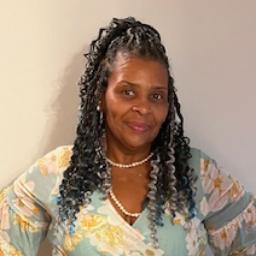
About Karen
Karen Wells is a Licensed Clinical Social Worker (LCSW) in North Carolina with eight years of professional experience. She helps people who are dealing with stress, anxiety, family conflicts, trauma and abuse, grief, and depression. She also supports people facing issues connected to adoption and foster care, aging, caregiving strain, and end-of-life concerns.
Wells focuses on straightforward conversation and practical steps. She encourages clients to talk about what is happening now and what they want to change. Sessions look at thoughts, feelings, and everyday routines that keep problems stuck. She uses evidence-based therapeutic techniques to address symptoms and improve day-to-day coping.
Her background includes work with trauma, grief, and mood concerns. That experience informs how she helps people manage overwhelming feelings and rebuild routines after loss. She also brings experience supporting issues such as body image, codependency, and obsessive behaviors.
In sessions she pays attention to communication patterns and relationship strain. She helps people find clearer ways to express needs and limits. For those facing end-of-life decisions or hospice-related stress, she offers practical guidance alongside emotional support.
Wells conducts work in English and practices under the North Carolina LCSW credential. People who want to begin are asked to complete a short matching questionnaire and schedule a first session. The process uses a subscription model that can be canceled at any time.
How therapeutic approaches are used in online sessions
Evidence-based therapeutic techniques are used to address symptoms and teach practical skills. For example, cognitive-based methods look at unhelpful thought patterns and offer ways to test and change them; this helps with anxiety, depression, and guilt. Trauma-informed practices focus on pacing and safety, helping people manage strong reactions and reduce the impact of traumatic memories.Choosing the right approach is part of the work together. The therapist will talk with the client about their needs, goals, and preferences, and then try methods that fit. Sessions are adjusted based on what helps most, so technique and pace can change over time as progress is made.
Please confirm which session formats are currently offered before booking, since the original biography does not list specific formats. Online work can make it easier to fit therapy into daily life by reducing travel time and allowing appointments to occur during breaks or after work. It can also allow shorter check-ins when that suits a schedule, or sessions without video when that is more comfortable.
Areas of expertise
Primary focus
Additional focus areas
Experience
8+ years
Credentials
North Carolina
Languages
English
Frequently asked questions
What types of concerns does she address?
She works with stress, anxiety, family conflict, trauma and abuse, grief, and depression, plus related issues like caregiver strain and end-of-life concerns.
What is her style in session?
Her approach is direct and practical, using evidence-based techniques to talk through feelings and build everyday coping skills.
How much experience does she have?
She has eight years of professional experience working with grief, trauma, mood concerns, and relationship issues.
What are her credentials and where does she practice?
She is an LCSW licensed in North Carolina and provides services under that credential in that state.
Which languages are supported?
Sessions are offered in English.
Does she work with international clients?
She does not accept international clients at this time.
How does billing and cost work?
Costs vary with location and services; sessions use a subscription that can be canceled at any time.
How do I begin a first session?
Select the See online therapy options button, complete a short matching questionnaire, and schedule your first session.
Online talk therapy is not emergency care, and no counselor can promise how grief will feel or when it will ease. If you are thinking about suicide or feel unsafe, call or text 988, or call 911. Crisis information