- CBT techniques
- Mindfulness practice
- Client-centered focus
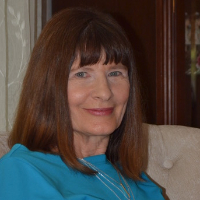
About Kathleen
Kathleen Murphy is a Licensed Mental Health Counselor (LMHC) in Florida with 20 years of clinical experience. She works with concerns such as stress, anxiety, depression, grief, self-esteem, and coping with life changes, along with relationship and career questions. She also lists work with trauma, parenting stress, LGBT issues, and other personal challenges.
She earned a master’s degree in Counseling Psychology from Santa Clara University in California. Over two decades she has practiced in several U.S. states, which she says helped her adapt to different cultural perspectives. That range informs how she listens and responds in sessions.
Her approach blends client-centered work with cognitive behavioral ideas and existential perspectives. She uses mindfulness and motivational interviewing techniques as needed. Sessions focus on practical steps alongside deeper reflection so people can address immediate problems and longer-term questions.
In sessions she aims to be direct when structure helps and interactive when exploration is needed. She describes herself as focused and able to offer clear guidance as well as open conversation. People who prefer a mix of concrete strategies and thoughtful discussion may find that style useful.
She notes an interest in issues that include abandonment, caregiver stress, divorce and separation, family of origin concerns, isolation, and life purpose. Language of service is English and her license is listed as FL LMHC.
How her approaches translate to online work
Client-centered therapy focuses on listening and reflecting back what matters most to the person. It helps when someone needs acceptance, clear feedback, and support in finding their own solutions. Cognitive behavioral therapy (CBT) looks at unhelpful thinking and behavior patterns and introduces practical exercises to change those patterns; it is often used for anxiety, depression, and stress. Existential therapy helps people talk about meaning, values, and hard life questions when they face loss or change.Finding the right mix of these approaches is part of the work. She will collaborate with each person to decide whether more structured CBT exercises, reflective client-centered conversation, or existential inquiry fits their goals. The plan can change over time as needs shift.
The practical benefits of online sessions include fitting therapy into a busy week and keeping appointments when travel or schedules make in-person meetings harder. The biography does not list specific session formats, so confirm current session options before booking. Online sessions can make it easier to check in during a lunch break, keep appointments while traveling, or use shorter focused meetings when that suits the person better.
Areas of expertise
Primary focus
Also works with
Additional focus areas
Therapeutic approaches
Experience
20+ years
Credentials
Florida
Languages
English
Frequently asked questions
What kinds of issues does she help with?
She works with stress, anxiety, grief, depression, self-esteem, coping with life changes, relationship concerns, trauma, parenting stress, and related issues.
How would you describe her therapeutic style?
She combines client-centered listening with structured, direct guidance. She also draws on cognitive behavioral ideas, mindfulness, and motivational interviewing.
How much experience does she have?
She has 20 years of experience working in clinical settings across multiple U.S. states.
What are her credentials and where does she practice?
She is a Licensed Mental Health Counselor with an FL LMHC credential and practices in Florida.
Which languages are supported in sessions?
Sessions are offered in English.
Can people outside the U.S. work with her?
She does not accept international clients at this time.
What is the cost structure for sessions?
Session cost varies with location; sessions use a subscription that can be canceled at any time.
How do I begin a first session?
Use the See online therapy options button, complete a short matching questionnaire, and schedule a first session.
Online talk therapy is not emergency care, and no counselor can promise how grief will feel or when it will ease. If you are thinking about suicide or feel unsafe, call or text 988, or call 911. Crisis information