- CBT
- Client-Centered
- Process addictions
About Larry
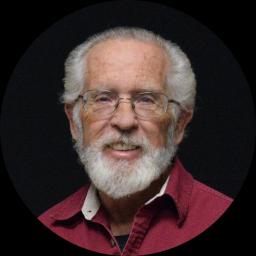
Dr. Larry Andrews is an LPC - Licensed Professional Counselor practicing in South Dakota with 35 years of experience. He works with people facing relationship strain, grief, intimacy concerns, anxiety, depression, and life changes. He also addresses addiction-related issues including process addictions and infidelity concerns.
He prefers straightforward conversations about what is happening now and what feels most difficult. Sessions focus on helping people talk through stressful moments, process losses, and build practical ways to cope. Cognitive Behavioral Therapy is used to identify unhelpful thoughts and try small behavior changes. Client-Centered Therapy guides the way sessions are paced and how choices are made together.
Dr. Andrews draws on a long career to keep sessions direct and usable. He listens for patterns in relationships and daily routines that make problems harder to manage. Then he helps people test small changes and notice what shifts. Progress is discussed in concrete terms so people can see what is working.
People often bring grief after a death, a breakup, loss of health, or big life transitions. He offers time to name that loss and to work on next steps for coping. Where needed, he also addresses related issues such as anger, parenting stress, eating concerns, bipolar mood shifts, and career pressure.
Before a first session he asks people to clarify what they most want to change. That keeps early sessions focused on practical steps and realistic goals.
How his approaches translate to online work
Client-Centered Therapy focuses on the person you bring to sessions. It means the therapist follows your pace, listens without steering, and helps you decide what to try next. This approach supports people who need time to sort feelings after a loss.Cognitive Behavioral Therapy (CBT) looks at thoughts and actions that keep problems going. Sessions include identifying specific thoughts, testing small behavior changes, and reviewing results. CBT is often used for anxiety, depression, stress, and behaviors linked to addiction.
Finding the right approach is part of the work together. He will discuss goals and preferences and pick methods that fit those aims. That makes sessions more practical and focused on changes you notice.
Confirm the exact session options before booking so you know how meetings are run. Online work can make it easier to fit sessions into a busy week, reduce travel, or allow shorter check-ins when time is tight. Therapists and licensed professionals commonly use this flexibility to help people keep progress steady while managing daily life.
Areas of expertise
Primary focus
Also works with
Additional focus areas
Therapeutic approaches
Experience
35+ years
Credentials
South Dakota
Languages
English
Frequently asked questions
What concerns does he help with?
He works with relationship problems, grief, intimacy issues, stress, anxiety, depression, bipolar concerns, addictions, eating and parenting stress among other life changes.
How does he approach therapy?
He uses Client-Centered Therapy to guide session pace and choices, and Cognitive Behavioral Therapy to address unhelpful thoughts and behaviors in practical ways.
How much experience does he have?
He has 35 years of professional experience working with people on relationship and life-change issues.
What are his credentials and location?
He is an LPC - Licensed Professional Counselor licensed in South Dakota and practices there.
Does he work in other languages or internationally?
Sessions are offered in English and he does not accept international clients at this time.
What session formats are available?
Please confirm current session options before booking so you know which formats are offered for meetings.
How is pricing handled?
Cost varies with location and sessions use a subscription model that can be canceled at any time.
How do I get started?
Select the See online therapy options button, complete a short matching questionnaire, and schedule your first session through the system.
Online talk therapy is not emergency care, and no counselor can promise how grief will feel or when it will ease. If you are thinking about suicide or feel unsafe, call or text 988, or call 911. Crisis information