- Cognitive-behavioral focus
- Person-centered approach
- Work with adult concerns
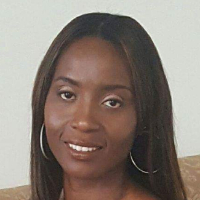
About LaShica
LaShica Hemingway is a Licensed Clinical Mental Health Counselor (LCMHC) in North Carolina with 12 years of experience. She works with adults on relationship concerns, parenting and family stress, self-esteem, anxiety, depression, trauma and abuse, grief, anger, intimacy-related issues, and career questions. Sessions focus on practical steps people can take and clear conversations about next steps.
She lives in Charlotte, North Carolina, and brings experience from community and clinical settings. That includes counseling adults with mental illness, supporting people with developmental disabilities, and working with individuals facing substance use challenges. She has also provided individual and group counseling to young adults in transitional housing and has offered counseling in both clinic and home settings.
Her approach is eclectic with a strong emphasis on cognitive-behavioral and person-centered methods. Cognitive-behavioral techniques look at patterns of thinking and behavior and aim to try different ways of coping. Person-centered work focuses on listening closely and helping the person make their own choices about what comes next.
In sessions she uses straightforward conversation and practical skills alongside reflective listening. She highlights available resources so people can make informed decisions about their next steps. The tone is direct and supportive, aimed at helping people sort through what matters most to them.
To begin, people are asked to complete a short questionnaire and schedule a first session. The therapist uses a subscription model for sessions that can be canceled at any time, and people should confirm current session options before booking.
Therapeutic approaches and online sessions
LaShica uses cognitive-behavioral ideas and person-centered methods in her work. Cognitive-behavioral techniques help identify unhelpful thinking and try practical new ways of coping, which can be useful for anxiety, depression, and stress-related problems. Person-centered methods emphasize listening and supporting a person's own decisions, which can help when someone is facing grief or relationship choices.Finding the right approach is part of the work together. She will discuss options with each person and choose methods based on the client's goals, needs, and preferences. That collaborative process helps shape how sessions are run and which skills are introduced.
The therapist uses a subscription model for services and asks people to confirm current session options before booking. If you want online sessions, confirm the formats offered when you match and schedule. Online work can make it easier to fit therapy into a busy week, allow shorter check-ins when needed, and avoid travel time so sessions fit around work or family commitments.
Areas of expertise
Primary focus
Also works with
Experience
12+ years
Credentials
North Carolina
Languages
English
Frequently asked questions
What kinds of problems does she help with?
She works with relationship and family concerns, parenting stress, self-esteem, anxiety, depression, trauma and abuse, grief, intimacy issues, anger, and career questions.
What is her therapy style?
Her style is straightforward and practical, combining cognitive-behavioral techniques with person-centered listening to help people consider options and next steps.
How much experience does she have?
She has 12 years of counseling experience in clinical and community settings, including work with adults, transitional housing programs, and family supports.
What are her credentials and where is she based?
She is an LCMHC licensed in North Carolina and practices from Charlotte, North Carolina.
What languages are supported?
Sessions are offered in English.
Can people outside the United States work with her?
International clients are not currently accepted.
How are sessions paid for?
Sessions use a subscription that can be canceled at any time; cost varies with location.
How do I get started?
Select the See online therapy options button, complete a short matching questionnaire, and schedule a first session.
Online talk therapy is not emergency care, and no counselor can promise how grief will feel or when it will ease. If you are thinking about suicide or feel unsafe, call or text 988, or call 911. Crisis information