- Client-centered methods
- CBT skills
- DBT strategies
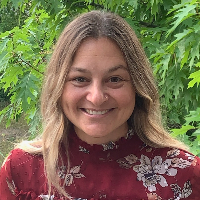
About Lori
Lori Rolf is a Licensed Clinical Social Worker - LCSW in California and a Licensed Independent Clinical Social Worker - LICSW in Minnesota with 18 years of experience. She works with people facing depression, anxiety, grief and loss, substance use concerns, eating issues, relationship strain, trauma, and stress. She also focuses on women's issues and supports people dealing with life transitions and emotions that feel hard to manage.
Her approach emphasizes practical skills and clear goals. She draws on client-centered methods to listen and understand each person’s concerns. She combines cognitive behavioral strategies to identify unhelpful thinking patterns and dialectical behavior techniques to build emotion regulation and distress tolerance skills.
Mindfulness practices are used to help people notice thoughts and feelings without being overwhelmed by them. Motivational interviewing is part of the work when someone wants help with changing behaviors, such as substance use or unhealthy habits. Sessions aim to be collaborative, with plans rooted in what the person wants to work on.
In sessions she focuses on concrete steps people can try between meetings. That might include short skill practices, small behavioral experiments, or ways to reframe persistent negative thoughts. The emphasis is on skills that support coping with grief, shifting a stuck routine, or managing strong emotions as they come up.
People often begin by naming their main concerns and setting a few short-term goals. From there she helps track progress and adjust strategies so the work stays relevant to current needs and life demands.
How her approaches translate to online sessions
Client-centered work means sessions start with listening and understanding the person's priorities. This approach focuses on the individual’s goals and preferences, and helps shape each session around what matters now.Cognitive Behavioral Therapy (CBT) focuses on identifying unhelpful thoughts and testing them with small behavioral experiments. Online sessions can review thought records, plan brief between-session practices, and track changes over time to address depression, anxiety, and grief-related thinking.
Dialectical Behavior Therapy (DBT) provides concrete skills for managing intense emotions and reducing reactive behaviors. In virtual sessions, skills such as grounding, emotion regulation, and distress tolerance can be taught, practiced, and adapted to daily life demands.
Finding the right approach is part of the work. She will collaborate with each person to choose methods that fit their goals, needs, and preferences. That collaborative process can include trying a skill-focused approach first and shifting as needs change.
Confirm the specific session formats before booking, since formats are not listed here. Online work can make it easier to fit sessions into a busy week, allow shorter check-ins when needed, and reduce travel time. These practical benefits often help people maintain steady support while coping with grief, stress, or life changes.
Areas of expertise
Primary focus
Also works with
Additional focus areas
Therapeutic approaches
Experience
18+ years
Credentials
Minnesota, California
Languages
English
Frequently asked questions
What types of concerns does she address?
She works with depression, anxiety, grief and loss, substance use, eating issues, relationship strain, trauma, stress, and related concerns. Women’s issues and coping with life changes are also listed focus areas.
What is her therapeutic style and approach?
Her style is client-centered and collaborative. She uses cognitive behavioral techniques, dialectical behavior skills, mindfulness, motivational interviewing, and solution-focused ideas to help people reach their goals.
How much experience does she have?
She has 18 years of clinical experience working as a counselor and therapist with a range of concerns including grief and trauma.
Where is she licensed and based?
She holds LCSW in California and LICSW in Minnesota and practices from Minnesota as noted in her profile.
Which languages are supported in sessions?
Sessions are offered in English.
Can people outside the United States work with her?
She does not accept international clients at this time.
How are sessions scheduled and paid for?
Cost varies with location and sessions use a subscription model that can be canceled at any time. Exact fees depend on the chosen plan and location.
How do I get started with a first session?
Select the See online therapy options button, complete the short matching questionnaire, and schedule a first session to begin.
Online talk therapy is not emergency care, and no counselor can promise how grief will feel or when it will ease. If you are thinking about suicide or feel unsafe, call or text 988, or call 911. Crisis information