- CBT focused work
- Trauma-informed methods
- End-of-life counseling
About Mark
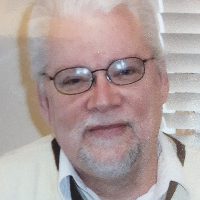
Mark Anderson is a Licensed Professional Counselor (LPC) in Michigan with 45 years of experience. He works with people coping with stress, anxiety, addiction, trauma, grief, depression, relationship and intimacy concerns, and related issues such as guilt, shame, and control struggles.
He helps people who are facing life changes, career questions, and the strain of caregiving or hospice and end-of-life concerns. He has long experience supporting those dealing with panic, social anxiety, and compassion fatigue. Sessions focus on practical steps to manage distress and to regain everyday functioning.
His approach draws on methods like client-centered therapy, cognitive behavioral therapy (CBT), dialectical behavior therapy (DBT), solution-focused work, and trauma-focused therapy. That range lets him use straightforward skills, symptom-focused strategies, and moment-to-moment problem solving depending on what someone needs.
Mark has worked in mental health and substance use settings for decades, including helping people with co-occurring addiction and mental health challenges. He pairs direct clinical experience with a focus on actionable tools for coping and decision making.
People who contact him can expect clear talk about goals, short-term coping techniques, and steps to address longer-term patterns. He invites prospective clients to consider whether his mix of practical methods and long experience might fit their current concerns.
How his approaches work for online sessions
Client-centered therapy focuses on listening and reflecting so the person can find their own solutions; it helps when someone needs a straightforward, respectful place to talk through loss or stress. Cognitive behavioral therapy (CBT) looks at how thoughts, behaviors, and feelings connect and teaches practical strategies to reduce symptoms of depression, anxiety, panic, and grief-related avoidance. Dialectical behavior therapy (DBT) offers skills for emotional regulation, distress tolerance, and interpersonal effectiveness that can help when strong emotions or relationship stressors make everyday life harder.Finding the right mix of approaches is part of the work. The therapist will collaborate with each person to decide which methods fit their needs and goals, adjusting the plan as progress and challenges appear. That collaborative process helps shape short-term goals and longer-term coping skills.
The biography does not list specific session formats, so confirm the available online session options before booking. Online work can make it easier to fit sessions into a busy day, allow shorter check-ins when needed, and reduce travel time. It also lets people use focused skill practice between meetings and bring real-life situations into sessions for immediate problem solving.
Areas of expertise
Primary focus
Also works with
Additional focus areas
Therapeutic approaches
Experience
45+ years
Credentials
Michigan
Languages
English
Frequently asked questions
What kinds of problems does he address?
He works with stress, anxiety, addiction, trauma, grief, depression, relationship and intimacy issues, and related concerns such as guilt, control issues, and compassion fatigue.
What is his therapeutic style?
He uses client-centered methods along with CBT, DBT, solution-focused, and trauma-focused approaches to offer practical skills and focused problem solving.
How much experience does he have?
He brings 45 years of experience in mental health and substance use treatment across clinical settings.
What are his credentials and where is he based?
He is an LPC licensed in Michigan and practices from that state.
Can sessions be conducted in languages other than English?
Sessions are offered in English.
Does he work with clients outside the United States?
He accepts international clients.
How are sessions scheduled and paid for?
Cost varies with location and sessions use a subscription that can be canceled at any time.
How do I begin a first session?
Select the See online therapy options button, complete a short matching questionnaire, and schedule a first session.
Online talk therapy is not emergency care, and no counselor can promise how grief will feel or when it will ease. If you are thinking about suicide or feel unsafe, call or text 988, or call 911. Crisis information