- Client-Centered Therapy
- Solution-Focused work
- Women’s issues focus
About Misha
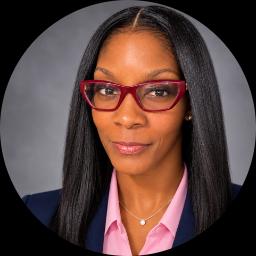
Misha Snider is a Licensed Clinical Social Worker - LCSW and CSW in Georgia with nine years of clinical practice. She sees people for stress, anxiety, depression, relationship concerns, grief, and issues around intimacy and self-esteem, with additional focus on women’s issues and compassion fatigue.
She talks with people about what brought them to therapy in plain terms. Sessions are based on conversation and mutual respect. Misha emphasizes listening and working together to identify practical next steps rather than using jargon or complex models.
Her background includes substantial work in psychiatric social work and helping people after loss, divorce, or other major life changes. That history informs how she frames concerns and sets short-term goals with clients.
In sessions she uses client-centered methods that prioritize the person’s perspective. She also applies solution-focused techniques to help identify specific, achievable changes to try between meetings. These approaches are used to address mood, relationship friction, and the ongoing effects of grief.
Misha describes her style as interactive and respectful. She invites straightforward conversation and supports clients as they consider options and next steps. People who prefer direct talk and clear, practical steps may find this approach helpful.
How her approaches translate to online sessions
Misha uses client-centered therapy, which emphasizes understanding the person’s experience and reflecting that understanding back. This approach helps people feel heard and clarifies what matters most to them in therapy.She also uses solution-focused therapy, which narrows attention to practical steps and small changes that can be tried between meetings. That method is useful for addressing stress, relationship problems, mood shifts, and aspects of grief where a short-term plan is helpful.
Choosing an approach is part of the work she does with each person. She will talk with clients about their goals and preferences and help decide whether client-centered conversation, solution-focused tasks, or a mix will be the best fit. The plan can be adjusted as needs change.
Session options are not listed in the biography, so confirm current session formats before booking. Online work can make it easier to fit therapy into everyday life, such as fitting a shorter check-in during a break, avoiding travel time, or using a phone call when video would be difficult. These practical benefits can help people keep therapy consistent while they manage grief and other concerns.
Areas of expertise
Primary focus
Also works with
Additional focus areas
Therapeutic approaches
Experience
9+ years
Credentials
Georgia, Florida
Languages
English
Frequently asked questions
What kinds of problems does she help with?
She works with stress, anxiety, depression, relationship concerns, grief, intimacy issues, self-esteem, bipolar mood concerns, and compassion fatigue.
How would she describe her therapy style?
Her style is interactive and conversational. She listens and uses dialogue to help people sort out next steps.
How much clinical experience does she have?
She has nine years of clinical experience in social work practice.
What are her credentials and where is she based?
She holds LCSW and CSW credentials and practices in Georgia.
Can people meet with her in languages other than English?
Sessions are offered in English.
Does she work with international clients?
She does not accept international clients at this time.
How does payment and cost work?
Cost varies with location; sessions use a subscription that can be canceled at any time.
What should I do to start a first session?
Select the See online therapy options button, complete a short matching questionnaire, and schedule your first session.
Online talk therapy is not emergency care, and no counselor can promise how grief will feel or when it will ease. If you are thinking about suicide or feel unsafe, call or text 988, or call 911. Crisis information