- CBT methods
- DBT skills
- Hospice support
About Neva
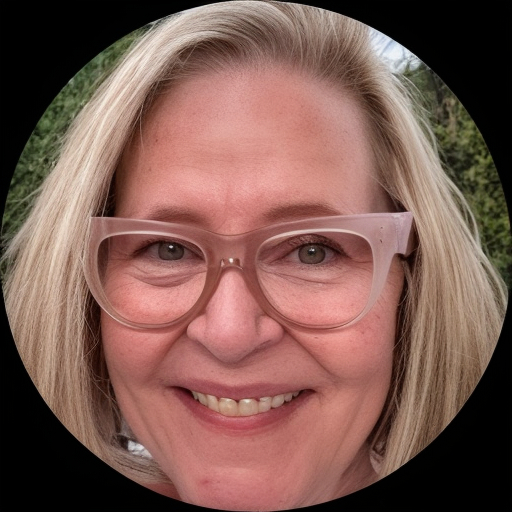
Neva Deschner is a Licensed Clinical Social Worker (LCSW) licensed in Texas with 10 years of experience. She works with people facing stress, anxiety, relationship concerns, grief and loss, motivation, self-esteem, and confidence. Neva also addresses issues related to addiction, trauma and abuse, bipolar disorder, depression, compassion fatigue, and LGBTQ concerns.
She starts by listening closely to each person's story and recognizing the strengths they already have. Sessions focus on practical steps and skills that can be used between meetings. Neva uses methods drawn from Cognitive Behavioral Therapy and Dialectical Behavior Therapy to help people notice unhelpful patterns and try different ways of coping.
Her approach emphasizes clear goals and small, manageable changes. For someone coping with grief or end-of-life concerns, this can mean talking through memories, naming losses, and learning ways to manage overwhelming moments. When stress or anxiety is the main issue, work often centers on calm-down strategies and shifting thought patterns.
Neva has worked in clinical settings over the last decade and brings that experience into each session. She explains ideas plainly and helps people try practical tools in daily life. For hospice and end-of-life concerns she offers focused support that addresses emotional and practical needs.
To begin, people choose the See online therapy options button and complete a short matching questionnaire. That step leads to scheduling a first session and setting goals together.
How her therapeutic approaches work in online sessions
Neva uses Cognitive Behavioral Therapy to help people spot and change thought and behavior patterns that increase anxiety or deepen low mood. CBT sessions usually include step-by-step strategies and homework exercises to practice new ways of thinking and acting between meetings.She also draws on Dialectical Behavior Therapy skills to teach emotion regulation, distress tolerance, and interpersonal effectiveness. DBT skills can be useful when strong emotions or relationship stress make it hard to cope day to day.
Choosing the best approach is a collaborative process. Neva will work with each person to match methods to their goals, needs, and preferences. That means trying options, checking what helps, and adjusting the plan together.
Session formats are not specified in the biography, so confirm current online session options before booking. Online work can make it easier to fit therapy into a busy life, avoid travel time, and try brief check-ins on a day when a longer session is hard to arrange. Licensed professionals adapt tools like CBT worksheets and DBT skill practices to the online setting so people can apply them between sessions.
Areas of expertise
Primary focus
Also works with
Additional focus areas
Therapeutic approaches
Experience
10+ years
Credentials
Texas
Languages
English
Frequently asked questions
What kinds of loss does she address?
She works with grief related to death and other losses such as relationship changes or shifts in life roles.
What therapeutic style does she use?
She uses Cognitive Behavioral Therapy (CBT) and Dialectical Behavior Therapy (DBT) to teach practical skills and change unhelpful patterns.
How much clinical experience does she have?
Neva has 10 years of professional experience in social work and clinical settings.
What are her credentials and where is she based?
She is a Licensed Clinical Social Worker (LCSW) licensed in Texas.
Does she offer sessions in other languages?
Sessions are offered in English.
Can people from other countries work with her?
She does not accept international clients at this time.
How are sessions arranged and paid for?
Cost varies with location and sessions use a subscription that can be canceled at any time.
What should I do to start therapy?
Select the See online therapy options button, complete a short matching questionnaire, and schedule a first session.
Online talk therapy is not emergency care, and no counselor can promise how grief will feel or when it will ease. If you are thinking about suicide or feel unsafe, call or text 988, or call 911. Crisis information