- Client-Centered approach
- Cognitive Behavioral Therapy
- EMDR and trauma work
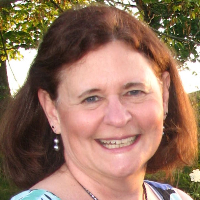
About Pam
Pam Grzech is a Licensed Master Social Worker (LMSW) with 30 years of experience. She works with people dealing with grief, trauma, depression, anxiety, parenting concerns, and related struggles. Pam’s practice grew from years in nursing and hospice and from a long social work career in Michigan.
Pam uses a client-centered approach, which means she starts by listening and asking what the person wants to work on. If goals are unclear, she helps people name them and then moves step by step. She avoids quick fixes or one-size-fits-all answers and prefers to talk through what needs to change and how to try different things.
Her background includes extensive work around trauma, abuse, and loss. She also has experience consulting with parents about child mental health and parenting challenges. Hospice nursing shaped her ability to listen during intense moments and to support people facing difficult transitions.
Pam integrates several therapeutic methods, including cognitive behavioral ideas to spot patterns of thought and behavior, trauma-focused strategies to address past hurts, and psychodynamic ideas about how life history affects current feelings. She may also use EMDR when appropriate within the therapy process.
Sessions focus on practical coping, improving sleep and self-esteem, managing anger and addictions, and handling life changes such as health problems or bereavement. She practices in Michigan and works in English. To begin, clients follow the site’s matching steps and schedule a first session.
How Pam uses therapy approaches in online sessions
Pam often draws on client-centered work, cognitive behavioral therapy (CBT), and trauma-focused methods. Client-centered work means she listens deeply and follows the concerns the person brings, helping them set goals and decide next steps. CBT focuses on identifying thought and behavior patterns that keep problems going and trying practical ways to change those patterns.Trauma-focused approaches aim to reduce the hold past events have on current feelings and reactions, using structured techniques to process memories and responses. EMDR is one tool she may use as part of trauma work when it fits the person’s needs and comfort level. Pam treats choosing an approach as a team effort and helps people weigh options based on their needs and preferences.
Online sessions can make it easier to fit therapy into daily life, such as scheduling meetings around work or limiting travel time. Because session formats are not specified in her biography, confirm the current online session options before booking so you know whether video, phone, or other formats are available. The therapist will work with you to find an approach and scheduling rhythm that fits your routine.
Areas of expertise
Primary focus
Also works with
Therapeutic approaches
Experience
30+ years
Credentials
Michigan
Languages
English
Frequently asked questions
What concerns does she address?
She works with grief, trauma and abuse, depression, anxiety, stress, parenting issues, addictions, sleep problems, low self-esteem, anger, and coping with life changes.
What is her therapeutic style?
Her approach is client-centered: she listens first, asks about goals, and collaborates on what to try next rather than giving ready-made answers.
How much experience does she have?
She has 30 years of clinical experience, including work in nursing and hospice as well as social work practice.
What are her credentials and location?
She is an LMSW (Licensed Master Social Worker) practicing in Michigan.
Which languages are supported?
Sessions are offered in English.
Can she work with people outside the United States?
She does not accept international clients at this time.
How do sessions cost and billing work?
Cost varies with location; sessions use a subscription model that can be canceled at any time.
How do I begin a first session?
Select the See online therapy options button, complete the short matching questionnaire, and then schedule your first session.
Online talk therapy is not emergency care, and no counselor can promise how grief will feel or when it will ease. If you are thinking about suicide or feel unsafe, call or text 988, or call 911. Crisis information