- Grief counseling
- Cognitive behavioral tools
- Mindfulness practices
About Pamela
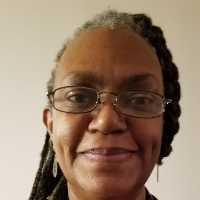
Pamela Byrd is an LCPC (Licensed Clinical Professional Counselor) in Maryland with 25 years of experience. She works with people facing stress, anxiety, addictions, relationship problems, grief, depression, trauma and related concerns.
She uses straightforward, skills-based work to help people notice how life challenges affect thoughts and behavior. Sessions often include cognitive behavioral techniques and mindfulness practices to manage difficult feelings and risky urges. Motivational interviewing is used when people want help making changes related to substance use or other habits.
Pamela draws on decades of clinical practice and training. She completed undergraduate, graduate, and post-graduate studies at Johns Hopkins University and has led trainings and workshops nationally and internationally. Over her career she has counseled many individuals and supervised clinicians in their work.
Her practice offers grief counseling, anger and stress management, conflict resolution, and support for gambling and substance dependence. She also runs professional seminars and workshops for helping professionals and groups.
People who work with her can expect practical strategies, talking through problems, and steps for daily coping. Pamela emphasizes bringing together mind, body, and spirit when people choose to make change. Those interested in starting work are encouraged to confirm session options before scheduling.
Therapeutic approaches and remote care
Acceptance and Commitment Therapy (ACT) encourages noticing thoughts and feelings without getting stuck in them and then taking actions that align with personal values. It can help when grief, anxiety, or life changes make it hard to move forward. Cognitive Behavioral Therapy (CBT) looks at how thoughts, feelings, and behaviors interact and teaches concrete skills to reduce distress and change unhelpful patterns. This approach is often used for anxiety, depression, and coping with stressful events. Motivational Interviewing is a collaborative way of talking that supports people who are unsure about change; it helps explore reasons for change and boosts motivation for steps like reducing substance use.Finding the right approach is part of the work. The therapist and client review goals, preferences, and responses to techniques and then adjust the plan together. That collaborative process helps shape which methods are emphasized over time.
Session formats are not listed in the biography, so confirm current options before booking. Online sessions can make it easier to fit therapy into a busy schedule, reduce travel time, and allow shorter check-ins when needed. Licensed professionals can use adapted exercises, breathing and grounding practices, and discussion-based work effectively over distance, while decisions about frequency and timing are made to suit each person's everyday life.
Areas of expertise
Primary focus
Also works with
Additional focus areas
Therapeutic approaches
Experience
25+ years
Credentials
Maryland
Languages
English
Frequently asked questions
What kinds of loss does she help with?
She lists grief among the concerns she works with and provides grief counseling for people coping with death and other significant losses.
What is her therapeutic approach and style?
She uses cognitive behavioral techniques together with mindfulness and client-centered methods. Motivational interviewing is used when people want help making behavior changes.
How much experience does she have?
She has 25 years of professional, academic, and personal experience in counseling, training, and supervision.
What are her credentials and where is she based?
She is an LCPC (Licensed Clinical Professional Counselor) practicing in Maryland.
Which languages are supported?
Sessions are offered in English.
Can people from other countries work with her?
International clients are not currently accepted.
How are sessions billed?
Cost varies with location; sessions use a subscription that can be canceled at any time.
How do I begin working with her?
Select the See online therapy options button, complete the short matching questionnaire, and schedule a first session.
Online talk therapy is not emergency care, and no counselor can promise how grief will feel or when it will ease. If you are thinking about suicide or feel unsafe, call or text 988, or call 911. Crisis information