- Attachment-based work
- CBT strategies
- Solution-focused goals
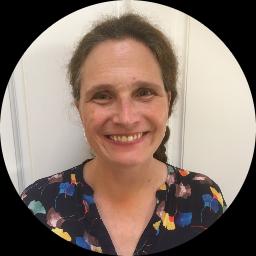
About Rachel
Rachel Webster is a Licensed Clinical Social Worker (LCSW) in Idaho with 27 years of experience. She helps people cope with stress, anxiety, family conflict, trauma and abuse, and grief after a death or other loss. She also works with concerns like addiction, depression, bipolar disorder, relationship and intimacy issues, and parenting challenges.
She prefers a straightforward, person-focused style. Sessions are built around listening, reflecting, and practical steps people can try between meetings. Rachel uses approaches that center the client’s experience and look for patterns in relationships and behavior.
Her work draws on attachment-based ideas to look at how past relationships shape current ones. She uses client-centered methods to prioritize each person’s goals and perspective. Cognitive Behavioral Therapy (CBT) is used to identify thought and behavior patterns and test new ways of responding.
Rachel also uses motivational interviewing to help people find internal reasons for change and solution-focused techniques to set clear, manageable goals. These tools are applied to practical issues like coping with life changes, parenting, and end-of-life concerns.
She has experience across a wide range of situations including adoption and foster care, hospice and end-of-life counseling, immigration-related stress, young adult and aging concerns, and challenges tied to health conditions. Sessions are conducted in English and are intended to help people take small, workable steps toward the changes they want.
Therapeutic approaches and online sessions
Rachel commonly blends attachment-based work with cognitive behavioral therapy. Attachment-based work looks at how early and close relationships affect current feelings and expectations in relationships. It can help when grief or loss brings up old patterns of worry or mistrust. Cognitive Behavioral Therapy, or CBT, focuses on identifying thoughts and behaviors that keep someone stuck and testing practical alternatives to reduce distress.She also uses client-centered and solution-focused ideas that put the person’s goals at the center of the work and aim for clear, achievable steps. Deciding which approaches to use is a collaborative process. The therapist and client talk about goals, try methods, and adjust the plan based on what feels most helpful.
The original biography does not specify particular online formats, so confirm the available session options before booking. Online sessions can make it easier to fit therapy into a busy life, reduce travel time, allow shorter check-ins when needed, and let people attend from different locations. A therapist will work with each person to match approaches and practical arrangements to their needs and schedule.
Areas of expertise
Primary focus
Also works with
Additional focus areas
Therapeutic approaches
Experience
27+ years
Credentials
Idaho
Languages
English
Frequently asked questions
What kinds of loss does she address?
She helps people grieving deaths and other losses such as relationship endings, health changes, and shifts in life roles.
What is her therapeutic style?
Her style is client-centered and practical, focusing on listening, reflecting, and identifying small steps people can try between sessions.
How much experience does she have?
She has 27 years of professional experience as a Licensed Clinical Social Worker.
Where is she licensed and based?
She is licensed in Idaho and practices there as an LCSW.
Does she work in other languages or internationally?
Sessions are offered in English and she is not accepting international clients.
What session formats are offered?
The original biography does not list specific session formats; confirm current session options before booking.
How is cost handled?
Cost varies with location and sessions use a subscription that can be canceled at any time.
How do I begin a first session?
Click the See online therapy options button, complete a short matching questionnaire, and schedule a first session.
Online talk therapy is not emergency care, and no counselor can promise how grief will feel or when it will ease. If you are thinking about suicide or feel unsafe, call or text 988, or call 911. Crisis information