- Grief and loss
- Relationship concerns
- ADHD and focus
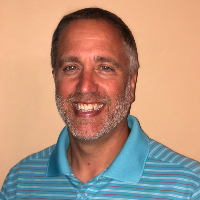
About Ryan
Ryan Sommers is a Licensed Mental Health Counselor (LMHC) in Indiana with 11 years of experience. He works with stress, anxiety, relationship concerns, grief and loss, depression, ADHD, life transitions and related issues.
Ryan has worked in community mental health and university counseling services. Those settings gave him experience helping people with a range of concerns, from sudden losses to ongoing mood and attention issues. He describes his approach as relational and interactive.
In sessions he focuses on listening first and helping people name the next practical step they want to take. He treats therapy as a collaborative process where the client decides the pace and direction. Ryan helps people clarify goals and then supports practical steps toward them.
He uses an eclectic mix of evidence-based techniques suited to each person's needs. That can include approaches that focus on thought patterns, emotion regulation, and building everyday routines. He explains methods plainly and helps people try what feels useful.
Ryan aims to help with common problems after loss, including shifts in routine, changes in relationships, and ongoing low mood or anxiety. He also draws on experience supporting people managing ADHD symptoms, parenting stress, career strain, and trauma histories.
Ryan invites people to start with a short intake to see if his style fits. He listens, asks practical questions, and works with each person to set small, doable goals and next steps.
How evidence-based methods are used in online sessions
Ryan uses evidence-based therapeutic techniques that focus on thoughts, emotions, and behavior. Cognitive-style approaches look at unhelpful thinking patterns and teach ways to test and reframe those thoughts to reduce anxiety and low mood. Skills-based approaches target emotion regulation and everyday routines, helping people manage strong feelings after a loss and rebuild predictable daily habits.He also draws on strategies that address attention and organization for people with ADHD, such as practical planning, breaking tasks into steps, and experimenting with small habit changes. These techniques aim to make daily life feel more manageable and support clearer focus over time.
Choosing an approach is collaborative. The therapist will discuss options, try methods together, and adjust based on what the client finds helpful. Finding the right fit is part of the work rather than a one-time decision.
The biography does not list specific session formats, so confirm current online options before booking. Online sessions can make it easier to fit counseling into a workday, reduce travel time, or allow a shorter check-in when schedules are tight. If a phone or video option is offered, clients can select what matches their needs and comfort level.
Areas of expertise
Primary focus
Also works with
Experience
11+ years
Credentials
Indiana
Languages
English
Frequently asked questions
What kinds of loss does he help with?
He works with people coping with death and other losses such as relationship endings, health changes, and life transitions.
What is his therapeutic style?
His style is relational, interactive, and eclectic. He listens first, then helps people choose practical steps to try.
How much experience does he have?
He has 11 years of clinical experience in community mental health and university counseling services.
What are his credentials and where is he based?
He is a Licensed Mental Health Counselor (LMHC) licensed in Indiana and practices from that state.
Does he work in other languages or with international clients?
Sessions are offered in English, and international clients are not currently accepted.
What session formats are offered?
Session formats are not specified in the provided biography; confirm current options before booking.
How are fees handled?
Costs vary with location and sessions use a subscription model that can be canceled at any time.
How do I begin a first session?
Use the See online therapy options button, complete a short matching questionnaire, and schedule a first session.
Online talk therapy is not emergency care, and no counselor can promise how grief will feel or when it will ease. If you are thinking about suicide or feel unsafe, call or text 988, or call 911. Crisis information