- ACT
- CBT
- Mindfulness
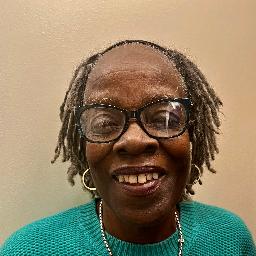
About Selma
LCSW Selma Wesley is a licensed clinical social worker in Missouri with 24 years of experience. She works with people facing stress, anxiety, depression, relationship problems, parenting concerns, grief, addictions, trauma and other life changes.
Wesley uses clear, practical methods in sessions. She listens to what matters most and helps people name the problem. She draws on cognitive behavioral strategies to spot unhelpful thoughts and behaviors. She also uses client-centered approaches that prioritize the person's perspective.
Her work often includes Acceptance and Commitment Therapy techniques to help people notice difficult feelings without getting stuck in them. Emotionally-Focused Therapy tools are used when relationship patterns and attachment come into view. Mindfulness practices are offered to build calm and focus during stressful times.
Across 24 years, Wesley has met people in many settings, including community and home-based work. That background informs how she plans sessions so they fit into daily life. She supports people coping with prejudice and discrimination alongside other concerns.
Sessions are intended to be interactive and goal-oriented. Wesley aims to help people build skills for handling anger, intimacy issues, bipolar mood concerns, career transitions, and self-esteem challenges. Before booking, clients should confirm current session options and formats.
How her approaches translate to online care
Acceptance and Commitment Therapy (ACT) focuses on noticing thoughts and feelings and choosing actions that match personal values. It can help when grief or anxiety keeps someone stuck and they want to act differently despite painful emotions. Client-Centered Therapy emphasizes listening and respect, letting the person lead what matters in sessions and helping them make sense of their experience. Cognitive Behavioral Therapy (CBT) looks at patterns of thinking and behavior and teaches practical exercises to reduce distress and improve daily functioning.Finding the right approach is part of the work. The therapist will review these methods with the client and together decide what feels like the best fit based on needs, goals, and preferences. That collaborative process can include trying different tools over several sessions and checking in about what helps.
Session formats are not listed in the biography, so confirm current options before booking. Online work can make sessions easier to fit into everyday life, such as allowing shorter check-ins during a break, avoiding travel time, or choosing audio-only when bandwidth is limited. Licensed professionals can adapt these therapies to remote sessions while focusing on skills, emotional processing, and planning next steps.
Areas of expertise
Primary focus
Also works with
Additional focus areas
Therapeutic approaches
Experience
24+ years
Credentials
Missouri
Languages
English
Frequently asked questions
What kinds of loss does she help with?
She works with grief related to death and other losses such as relationship endings, health changes, and shifts in life roles.
What approach does she use in sessions?
She blends Acceptance and Commitment Therapy, client-centered work, and cognitive behavioral techniques to address emotions and behaviors.
How long has she practiced?
She has 24 years of experience providing counseling in community and home-based settings.
Where is she licensed?
She is a Missouri LCSW, which stands for Licensed Clinical Social Worker in Missouri.
Which languages are supported?
Sessions are offered in English.
Can people outside the US work with her?
International clients are not accepted at this time.
How are sessions arranged and paid for?
Cost varies with location and sessions use a subscription that can be canceled at any time.
How do I begin a first session?
Select the See online therapy options button, complete a short matching questionnaire, and schedule a first session.
Online talk therapy is not emergency care, and no counselor can promise how grief will feel or when it will ease. If you are thinking about suicide or feel unsafe, call or text 988, or call 911. Crisis information