- Client-centered work
- Cognitive Behavioral Therapy
- Mindfulness practices
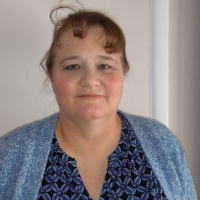
About Shaun
Shaun Cunningham is a Licensed Mental Health Practitioner (LMHP) with 25 years of experience. She works with stress, anxiety, family concerns, trauma and abuse, parenting issues, addictions, relationship struggles, grief, sleep problems, anger, low self-esteem, career questions, and coping with life changes.
She listens first and helps people name what feels most urgent. Sessions focus on practical steps people can try between meetings. Shaun draws on conversational work to help people notice patterns and make small changes that add up over time.
Her background includes long-term clinical practice in Nebraska. Over the years she has supported people dealing with complicated family histories, caregiver stress, blended family questions, and separation or divorce. She also works with those facing addiction, first responder stress, and issues tied to identity and relationships.
Shaun uses a mix of approaches in sessions. Client-centered work shapes the pace and topics. Cognitive Behavioral Therapy (CBT) helps with unhelpful thinking and behavior. Mindfulness practices are used to steady attention and response to strong feelings.
People can expect straightforward conversation about feelings and patterns. Shaun helps set practical goals and reviews progress at each visit. Her style is direct and steady, aimed at helping people manage daily life while they work through loss and change.
Therapeutic approaches and online sessions
Shaun uses client-centered work to follow what matters most to the person in the room. This approach focuses on listening and letting each session reflect the client’s priorities. It helps when someone needs space to describe loss and decide what to address first.She also uses Cognitive Behavioral Therapy, which looks at how thoughts and behaviors keep problems going. CBT offers clear exercises and experiments people can try between meetings to reduce anxiety, improve sleep, and manage mood.
Mindfulness practices are offered to help steady attention and reduce reactivity to strong emotions. These are short, practical exercises that can be used when grief or stress feels overwhelming.
Choosing the right approach is part of the work together. Shaun will discuss goals and preferences and adapt methods over time so the work fits each person’s needs. That process is collaborative and reviewed as progress is made.
Session formats are not listed in the biography, so confirm current options before booking. Many people find online sessions easier to fit into a busy day, allow quieter surroundings, or make it simpler to have a shorter check-in when time is limited. Ask about available formats when you schedule to see what will work with your routine.
Areas of expertise
Primary focus
Also works with
Additional focus areas
Therapeutic approaches
Experience
25+ years
Credentials
Nebraska
Languages
English
Frequently asked questions
What kinds of loss does she address?
She supports people grieving death and other losses such as relationship changes, health setbacks, and shifts in life roles.
What is her approach in sessions?
Sessions combine client-centered conversation with practical tools from CBT and mindfulness to address thoughts, feelings, and daily routines.
How much clinical experience does she have?
Shaun has 25 years of experience working with a range of concerns including trauma, addiction, and family issues.
What are her credentials and where is she based?
She holds the LMHP credential and practices in Nebraska.
Can I work with her if I live outside the United States?
International clients are not currently accepted; sessions are offered in English to people within her practice region.
What session formats are offered?
Please confirm current session options before booking as formats are not specified here.
How does payment work?
Cost varies with location and sessions use a subscription model that can be canceled at any time.
How do I begin if I want to meet with her?
Select the See online therapy options button, complete the short matching questionnaire, and schedule your first session.
Online talk therapy is not emergency care, and no counselor can promise how grief will feel or when it will ease. If you are thinking about suicide or feel unsafe, call or text 988, or call 911. Crisis information