- Person-centered approach
- Cognitive Behavioral Therapy
- Motivational Interviewing
About Sherry
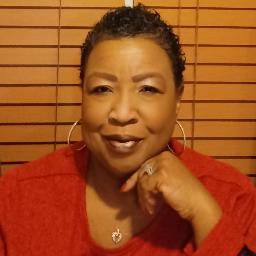
Sherry Jones-Williamson is an LCSW (Licensed Clinical Social Worker) practicing in North Carolina with 32 years of experience. She works with people facing grief, depression, anxiety, stress, anger, bipolar concerns, self-esteem struggles, family matters, and life changes. Sherry trained at East Carolina University and has a long clinical background in inpatient psychiatric settings.
She spent much of her career supporting the geriatric population in hospital and inpatient settings. That work gave her a lot of experience with aging and caregiver stress, midlife transitions, and issues common to women in midlife. She often helps people who are adjusting to health changes or the practical strains of caregiving.
Sherry uses a person-centered style in sessions. She listens first, then works with each person to set realistic goals. Cognitive Behavioral Therapy, or CBT, features strongly in her approach; she helps people identify unhelpful thinking and practice different strategies to manage symptoms.
She also uses Motivational Interviewing to help people sort through mixed feelings about change and to clarify what they want to work toward. Solution-Focused techniques are used when clients want concrete steps and short-term planning to address immediate problems.
Sherry’s work focuses on practical skills and improved daily functioning. She aims to help people build life skills, manage symptoms, and move toward goals at a pace they can handle. Sessions are conducted in English and she does not take international clients.
How Sherry applies her approaches online
Sherry commonly uses Client-Centered Therapy and Cognitive Behavioral Therapy in her work. Client-Centered Therapy focuses on listening and building a collaborative relationship so the person can set their own goals and decide what to address. Cognitive Behavioral Therapy helps people identify unhelpful thoughts and practice alternative strategies to manage symptoms such as anxiety, depression, or stress.She also draws on Motivational Interviewing to help people resolve mixed feelings about change and to clarify what they want to work toward. Deciding which approaches to use is a joint process. The therapist will talk with the client about their needs, goals, and preferences and then try methods that fit those priorities.
If you are considering online sessions, confirm the current session formats before booking since formats are not specified in the biography. Online options can make it easier to fit therapy into a busy life, allow shorter check-ins when needed, and remove travel time. Licensed professionals can adapt CBT and motivational techniques to remote work so clients can practice skills between sessions and track progress over time.
Areas of expertise
Primary focus
Also works with
Additional focus areas
Therapeutic approaches
Experience
32+ years
Credentials
North Carolina
Languages
English
Frequently asked questions
What kinds of loss does she address?
She lists grief among the concerns she works with and also helps people facing illness, aging, and major life changes.
What is her therapeutic style like?
She works from a person-centered perspective, listening first and collaborating on goals before using structured techniques.
How much clinical experience does she have?
She has 32 years of clinical experience, including extensive work in inpatient psychiatric settings.
What are her credentials and where is she based?
She is an LCSW licensed in North Carolina and practices in that state.
Does she offer sessions in other languages or to international clients?
Sessions are offered in English and she is not accepting international clients.
What kinds of therapy sessions does she use?
She commonly uses Client-Centered Therapy, Cognitive Behavioral Therapy, Motivational Interviewing, and Solution-Focused Therapy in her work.
How are sessions priced?
Cost varies by location and sessions use a subscription that can be canceled at any time.
How do I begin a first session?
Select the See online therapy options button, complete a short matching questionnaire, and schedule a first session.
Online talk therapy is not emergency care, and no counselor can promise how grief will feel or when it will ease. If you are thinking about suicide or feel unsafe, call or text 988, or call 911. Crisis information