- Client-centered work
- CBT techniques
- Mindfulness skills
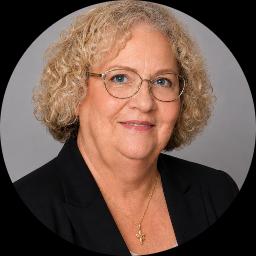
About Sundra
Sundra White is a Licensed Professional Counselor (LPC) practicing in Louisiana with 11 years of experience. She works with people facing stress, anxiety, depression, grief, and relationship or family concerns, and she also supports those coping with addictions, eating issues, anger, and bipolar mood patterns.
She uses straightforward conversation to help clients notice patterns that cause pain. Sundra draws on client-centered work to listen and reflect, and on cognitive behavioral ideas to identify unhelpful thoughts. She also uses elements of dialectical behavior therapy and mindfulness to teach coping skills for intense emotions.
Sundra often includes narrative techniques to help people tell and reframe their stories. That can make sense of loss and open up new ways to move forward after a death or other major change. She is open to faith-aligned perspectives when that is important to a client.
Sessions focus on practical tools and clearer communication. Clients learn ways to manage stress, respond to triggers, and improve self-esteem. Work can include short skills practice and longer conversations about past wounds.
Her clear, goal-oriented style aims to strengthen coping and reduce overwhelming moments. People looking for direct skills, gentle reflection on grief, or help linking beliefs to behavior often find this approach useful.
How therapeutic approaches translate to online sessions
Client-centered therapy focuses on listening and reflecting to clarify what matters most to a person. Online sessions using this approach let clients talk through feelings while the therapist mirrors concerns and priorities. Cognitive Behavioral Therapy, or CBT, looks at how thoughts, feelings, and behaviors interact; in virtual sessions it is often paired with practical exercises and homework to try between meetings. Dialectical Behavior Therapy, DBT, teaches emotion regulation and distress-tolerance skills that can be practiced in weekly sessions and rehearsed during the week.Finding the right approach is part of the work. Sundra will collaborate with each client to choose strategies that match their needs, goals, and preferences. That means adjusting the mix of listening, skill-teaching, and narrative work as progress unfolds.
Session formats are not specified in the biography, so confirm current options before booking. Many people find online sessions helpful for fitting therapy into a busy day, shortening travel time, and keeping appointments consistent. Others value being able to focus on skills exercises without leaving home or to use audio-only check-ins when a quick update is needed. These practical benefits can make regular sessions easier to maintain while exploring grief and mood concerns.
Areas of expertise
Also works with
Therapeutic approaches
Experience
11+ years
Credentials
Louisiana
Languages
English
Frequently asked questions
What concerns does she address?
Sundra works with stress, anxiety, depression, grief, relationship and family concerns, addictions, eating issues, anger, bipolar, self-esteem, and coping with life changes.
What is her therapeutic style?
She uses client-centered listening combined with cognitive behavioral tools, dialectical behavior therapy elements, mindfulness, and narrative techniques to teach coping skills and reframe difficult experiences.
How much experience does she have?
She has 11 years of experience as a Licensed Professional Counselor working with mood and life-change concerns.
What credential does she hold and where is she based?
She is an LPC and practices in Louisiana.
Which languages are supported?
Sessions are offered in English.
Can people outside the U.S. work with her?
International clients are not currently accepted.
How are fees handled?
Cost varies by location; sessions use a subscription that can be canceled at any time.
How do I begin a first session?
Select the See online therapy options button, complete a short matching questionnaire, and schedule a first session.
Online talk therapy is not emergency care, and no counselor can promise how grief will feel or when it will ease. If you are thinking about suicide or feel unsafe, call or text 988, or call 911. Crisis information