- CBT methods
- DBT skills
- Mindfulness practice
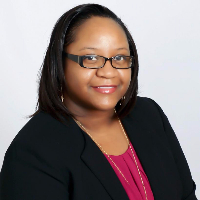
About Tracie
Tracie Stewart is a Licensed Professional Counselor (LPC) and Licensed Mental Health Counselor (LMHC) with nine years of clinical experience in Wisconsin. She lists stress, anxiety, anger, self-esteem, depression, relationship and family difficulties, trauma and abuse, and grief among the concerns she works with. Tracie holds a master’s degree in clinical psychology and a master’s degree in health psychology.
Tracie uses evidence-based interventions in her work. She focuses on practical skills that people can use between sessions. Meetings tend to center on clear steps people can try to reduce distress and manage day-to-day challenges.
She draws on Cognitive Behavioral Therapy to help identify and change unhelpful thought and behavior patterns. Dialectical Behavior Therapy informs skills for emotion regulation and managing strong reactions. Mindfulness approaches are used to build moment-to-moment awareness and reduce reactivity.
Her background in clinical and health psychology shapes a focus on overall wellbeing and life skills. That means sessions may include goal setting, practice of coping strategies, and review of what works in daily life.
People who prefer a straightforward, skills-focused approach may find this a good fit. Before booking, readers should confirm current session options and any practical arrangements they need to make.
How her approaches translate to remote sessions
Tracie uses Cognitive Behavioral Therapy to help people spot unhelpful thoughts and test new behaviors, which can be a good fit for anxiety and low mood. Dialectical Behavior Therapy contributes concrete skills for regulating emotions and handling intense reactions, useful for anger and stress. Mindfulness Therapy supports building attention and reducing reactivity in daily life.Finding the best approach is a collaborative process. The therapist will work with each person to see which tools and methods fit their goals and preferences, and adjust the plan as needed. That collaboration helps decide which techniques to practice between sessions.
Specific session formats are not listed in the biography, so confirm current online options before booking. Online work can make it easier to fit sessions into a busy schedule, allow shorter check-ins when needed, or reduce travel time. Many people find remote sessions let them practice skills in real-life settings and review how those practices are going during follow-ups.
Areas of expertise
Primary focus
Also works with
Therapeutic approaches
Experience
9+ years
Credentials
Wisconsin, Hawaii
Languages
English
Frequently asked questions
What kinds of concerns does she work with?
She lists stress, anxiety, anger, self-esteem, depression, relationship and family difficulties, trauma and abuse, and grief among the issues she addresses.
What is her therapy style like?
She uses evidence-based interventions and emphasizes practical life skills and clear steps people can use between sessions.
How long has she been practicing?
She has nine years of clinical experience working with individuals.
What credentials and location are listed?
She holds LPC and LMHC credentials and practices in Wisconsin.
Can sessions be conducted in languages other than English?
Sessions are offered in English.
Does she accept international clients?
She does not accept international clients at this time.
How are sessions scheduled and paid for?
Cost varies with location and sessions use a subscription that can be canceled at any time.
How do I begin a first session?
Select the See online therapy options button, complete a short matching questionnaire, and schedule a first session.
Online talk therapy is not emergency care, and no counselor can promise how grief will feel or when it will ease. If you are thinking about suicide or feel unsafe, call or text 988, or call 911. Crisis information