
Susan Hoffstetter
LCPCIllinois · 16 yrs exp
Illinois LCPC - Grief and related concerns
Stress, Anxiety · Addictions · Trauma and abuse · Bipolar · +6 more
Read profileA directory of US grief counselors
In crisis? Call or text 988Counselor listings come from BetterHelp. We will earn a commission at no extra cost to you if you use our links to buy.
Compare profiles of clinicians who list Bipolar and grief among their specialties to learn about focus areas, approaches, languages, and credentials. Browse therapist profiles to see listed location, professional degrees, and descriptions that can help you identify who to contact.
Illinois · 16 yrs exp
Illinois LCPC - Grief and related concerns
Stress, Anxiety · Addictions · Trauma and abuse · Bipolar · +6 more
Read profile
California · 24 yrs exp
Licensed therapist - Grief and mood concerns
Stress, Anxiety · Trauma and abuse · Grief · Bipolar · +1 more
Read profile
Maryland · 6 yrs exp
Licensed Clinical Social Worker - Grief and Trauma
Stress, Anxiety · Addictions · Relationship · Family · +16 more
Read profile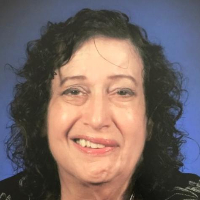
Florida · 30 yrs exp
FL Psychologist - Grief and Emotional Concerns
Stress, Anxiety · Grief · Anger · Depression · +15 more
Read profile
Michigan · 26 yrs exp
Licensed LMSW - Grief and Relationships
Stress, Anxiety · Addictions · Relationship · Grief · +14 more
Read profile
New Jersey · 40 yrs exp
Licensed Clinical Social Worker - Grief and Relationship Concerns
Stress, Anxiety · Addictions · Relationship · Parenting · +12 more
Read profile
Pennsylvania · 12 yrs exp
Licensed Professional Counselor - Grief and Mood Concerns
Stress, Anxiety · Trauma and abuse · Self esteem · Coping with life changes · +11 more
Read profile
New York · 36 yrs exp
LCSW-R clinician - anxiety and grief
Stress, Anxiety · Relationship · Anger · Bipolar · +9 more
Read profile
Idaho · 22 yrs exp
LPC counselor - grief and trauma support
Stress, Anxiety · Trauma and abuse · Parenting · Self esteem · +9 more
Read profile
Florida · 11 yrs exp
Licensed Clinical Social Worker - Grief and Stress
Stress, Anxiety · Family · Grief · Self esteem · +8 more
Read profile
Washington · 16 yrs exp
Licensed Mental Health Counselor - Grief and Mood concerns
Stress, Anxiety · Addictions · LGBT · Bipolar · +12 more
Read profile
Louisiana · 8 yrs exp
Licensed Professional Counselor - Grief and Mood Concerns
Stress, Anxiety · Addictions · Grief · Intimacy-related issues · +4 more
Read profile
Missouri · 8 yrs exp
Licensed Professional Counselor - Grief and Trauma
Stress, Anxiety · Addictions · LGBT · Trauma and abuse · +15 more
Read profile
Florida · 10 yrs exp
Licensed Mental Health Counselor - Grief and Anxiety
Stress, Anxiety · Trauma and abuse · Grief · Depression · +8 more
Read profile
California · 8 yrs exp
Licensed Clinical Social Worker - Grief and mood concerns
Stress, Anxiety · Relationship · Self esteem · Bipolar · +9 more
Read profile
New Jersey · 17 yrs exp
LCSW - Grief and Mood Concerns
Stress, Anxiety · Addictions · Grief · Self esteem · +7 more
Read profile
California · 10 yrs exp
Licensed Marriage and Family Therapist - Grief and Relationships
Stress, Anxiety · Trauma and abuse · Depression · Coaching · +16 more
Read profile
Texas · 16 yrs exp
LPC in Texas - grief and trauma support
Stress, Anxiety · Addictions · Trauma and abuse · Parenting · +14 more
Read profile
Florida · 20 yrs exp
Licensed Mental Health Counselor - Grief and Mood concerns
Stress, Anxiety · Addictions · Trauma and abuse · Parenting · +9 more
Read profile
Louisiana · 30 yrs exp
LCSW - Grief and trauma support
Stress, Anxiety · Family · Trauma and abuse · Self esteem · +16 more
Read profile
Iowa · 8 yrs exp
LMHC in Iowa - Grief and Relationship concerns
Addictions · Relationship · Family · Parenting · +14 more
Read profile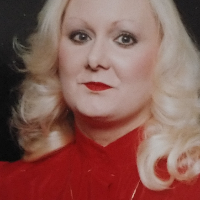
Alabama · 41 yrs exp
Licensed Professional Counselor - Grief and Trauma
Stress, Anxiety · Addictions · Trauma and abuse · Self esteem · +14 more
Read profile
Texas · 30 yrs exp
LPC counselor - grief and addiction recovery
Stress, Anxiety · Addictions · Relationship · Family · +13 more
Read profile
Indiana · 17 yrs exp
LCSW in Indiana - Grief and mood concerns
Stress, Anxiety · Family · Trauma and abuse · Self esteem · +10 more
Read profileWhen you are living with bipolar mood patterns and also carrying grief, you may notice emotional experiences that feel layered or unpredictable. Grief after a death can arrive alongside mood shifts and may intensify feelings at certain times. Anticipatory grief, the sadness that comes before an expected loss, and grief after non-death losses such as endings of relationships, roles, or health can all be part of what you bring to sessions. You may have complicated feelings - relief mixed with guilt, numbness at times, bursts of intense sadness at others, or anniversaries that feel heavier than you expected. Grief does not have a set timeline; it is normal for sorrow to ebb and flow and to resurface with reminders and life changes.
In thinking about care you want, consider how your current needs intersect with mood management, medication conversations, social support, and practical challenges. You may want a clinician who is comfortable discussing mood symptoms and grief together, or you may prefer someone who focuses mainly on bereavement and partners with other professionals for mood-related care. Profiles on this page let you see how clinicians describe their focus areas and approaches so you can start identifying those who seem aligned with the concerns you want to address.
Grief and bipolar are distinct experiences that can coexist. The directory groups profiles that list Bipolar and grief as topics they address, but that listing does not mean one causes the other. You might find that grief changes the way moods feel or that mood shifts influence how you process loss. For example, a depressive episode can deepen the sense of loss, while a hypomanic period might temporarily blunt sorrow or distract from it. Anticipated losses, such as a progressive illness in a loved one, can bring prolonged mourning that overlaps with mood variability.
Because every person’s story is different, it helps to think in terms of what you need rather than assuming a fixed pattern. Some people seek support specifically for bereavement and its rituals, anniversaries, or meaning-making. Others are looking for help navigating grief reactions that occur alongside mood instability. Profiles on this page can indicate whether a clinician mentions grief-related topics like bereavement, anniversaries, or non-death losses so you can decide who to contact to discuss your unique situation.
When you review profiles, prepare concrete questions you can use in an initial conversation. You might ask how the clinician typically works with people who are grieving and what they consider when grief occurs with mood disorders. Ask whether they have experience addressing bereavement, anticipated loss, complicated feelings, or anniversaries, and how they describe their usual way of supporting those issues.
It is useful to inquire about the kinds of approaches the clinician lists. For example, you can ask about therapists who list CBT, psychodynamic, interpersonal, narrative approaches, or EMDR among their approaches - and what that looks like in practice for grief work. Phrase questions so they focus on fit rather than credentials alone: ask how they help people reflect on meaning, manage intense emotions, or build coping during anniversary periods. You can also ask how they collaborate with other professionals when mood management or medication is part of the picture. Concrete questions help you understand style, pace, and what a course of work might emphasize.
If you are considering remote sessions, talk about practical and safety topics upfront. Confirm that the clinician has permission to work with people in your state or listed location, since licensing rules and practice permissions vary. Ask how they handle situations when you feel severely distressed and what steps they would take if you are in crisis. If you are in the United States and need immediate help, you can call or text the 988 Suicide and Crisis Lifeline for support. Make sure you and the clinician have a plan for local emergency contacts in your area if needed.
Discuss communication preferences, technology needs, and any limitations of remote work for the kinds of grief-related concerns you want to address. Mention anniversaries, family events, and other triggers that may affect timing or pace. Clarify how the clinician documents consent and whether they will coordinate with other providers when that collaboration would support your care. These conversations help set expectations and make it easier to focus on grief and related mood concerns once sessions begin.
Profiles give you several points to compare so you can decide who to contact. Focus area descriptions show whether a clinician explicitly mentions bereavement, anticipated loss, complicated grief feelings, or non-death losses. Language options indicate whether you can communicate in the language you prefer. Look at how a clinician describes their style - for example, whether they emphasize exploration of meaning, symptom-focused strategies, or support through life transitions - and think about which tone would work best for you.
Academic degrees listed on profiles - such as PhD, PsyD, MD, MA, or MSW - tell you about educational background but do not on their own establish current permission to practice. Licenses or registrations are separate and are the credentials that indicate a clinician is authorized to provide care in specific jurisdictions. Ask about both degrees and licenses and verify that the clinician has the legal permission to work with you in your listed location. Remember that a listed topic or approach does not necessarily mean the clinician treats children, couples, or families, so bring up the specific population you are seeking help for.
When you compare profiles, use concrete questions about experience with grief after death and non-death losses, handling anniversaries, and working alongside other professionals who manage mood symptoms. Consider whether you prefer a clinician who speaks a particular language, has a certain therapeutic style, or describes experience with the types of loss you are going through. These comparisons will help you prioritize who to contact to ask more detailed questions about fit before beginning sessions.
Alabama
89 therapists
Alaska
10 therapists
Arizona
50 therapists
Arkansas
34 therapists
California
367 therapists
Colorado
106 therapists
Connecticut
46 therapists
Delaware
14 therapists
District of Columbia
14 therapists
Florida
402 therapists
Georgia
148 therapists
Hawaii
24 therapists
Idaho
26 therapists
Illinois
156 therapists
Indiana
68 therapists
Iowa
21 therapists
Kansas
24 therapists
Kentucky
40 therapists
Louisiana
86 therapists
Maine
20 therapists
Maryland
78 therapists
Massachusetts
54 therapists
Michigan
172 therapists
Minnesota
54 therapists
Mississippi
52 therapists
Missouri
114 therapists
Montana
24 therapists
Nebraska
17 therapists
Nevada
17 therapists
New Hampshire
13 therapists
New Jersey
91 therapists
New Mexico
18 therapists
New York
208 therapists
North Carolina
153 therapists
North Dakota
3 therapists
Ohio
95 therapists
Oklahoma
64 therapists
Oregon
39 therapists
Pennsylvania
155 therapists
Rhode Island
9 therapists
South Carolina
95 therapists
South Dakota
9 therapists
Tennessee
56 therapists
Texas
447 therapists
Utah
29 therapists
Vermont
9 therapists
Virginia
82 therapists
Washington
52 therapists
West Virginia
17 therapists
Wisconsin
51 therapists
Wyoming
13 therapists