- Client-Centered Therapy
- Cognitive Behavioral Therapy
- Addictions and stress
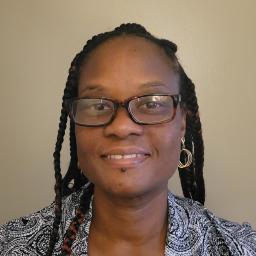
About Shashana
Shashana Carter is a Licensed Clinical Social Worker - Clinician (LCSW-C) licensed in Maryland and also holds a Licensed Independent Clinical Social Worker (LICSW). She has six years of direct clinical experience providing individual therapy and works with concerns such as stress, anxiety, addictions, relationship and family issues, depression, trauma and grief.
She focuses on straightforward, practical conversations. Sessions often include listening, reflective feedback, and goal-focused planning. She uses clear language to help people name what is causing trouble and consider small steps they can try between meetings.
Shashana combines client-centered ways of working with cognitive behavioral ideas. That means she pays attention to each person's priorities while also looking at patterns of thought and behavior that keep problems happening. She helps people test new responses and practice skills that may lessen symptoms like worry, low mood, or trouble sleeping.
Her background includes experience in social services, probation settings, and opioid maintenance care, which informs how she supports people facing addiction, system-related stress, and complex life transitions. She also lists additional focus areas such as body image, communication problems, isolation, and coping with midlife changes.
People who choose this approach can expect sessions to be practical, conversational, and oriented toward finding workable steps. Before booking, confirm current session options and timing so they match personal needs.
How therapeutic approaches translate to online sessions
Client-Centered Therapy emphasizes listening and responding to what the person says. Online sessions using this approach focus on understanding priorities and feelings, and on shaping sessions around what matters most to the client. Cognitive Behavioral Therapy (CBT) looks at thoughts and behaviors that keep problems going. In remote work this can mean using short exercises, homework tasks, and practical strategies to test new ways of responding.Finding the right mix of approaches is part of the work. The therapist will collaborate with each person to decide which methods to try, based on goals, current concerns, and how they prefer to work. That may mean shifting emphasis over time as needs change.
The practical benefits of online therapy include easier scheduling and fitting sessions into busy lives. Confirm current session options before booking, since specific formats are set by the therapist. Online sessions can allow for shorter check-ins, follow-up conversations between meetings, or sessions that avoid travel time, which can make regular work on grief and related issues easier to maintain.
Areas of expertise
Primary focus
Also works with
Additional focus areas
Therapeutic approaches
Experience
6+ years
Credentials
Maryland, Massachusetts
Languages
English
Frequently asked questions
What kinds of loss does she address?
She works with grief related to death and other losses such as relationship endings and major life changes.
What is her overall therapy style?
Her style is conversational and practical, with listening, feedback, and goal-focused planning to address daily problems.
How much clinical experience does she have?
She has six years of direct clinical experience working in therapy and related social service settings.
Where is she licensed to practice?
She holds LCSW-C in Maryland and LICSW in Massachusetts and is based in Maryland.
Which languages are sessions offered in?
Sessions are offered in English.
Can people outside the United States work with her?
She is not accepting international clients at this time.
How are sessions scheduled and paid for?
Cost varies with location; sessions use a subscription that can be canceled at any time.
What should I do to begin working together?
Select the See online therapy options button, complete a short matching questionnaire, and schedule a first session.
Online talk therapy is not emergency care, and no counselor can promise how grief will feel or when it will ease. If you are thinking about suicide or feel unsafe, call or text 988, or call 911. Crisis information