
Hollie Crosbie
LCSW, LICSWNew Hampshire · 20 yrs exp
Licensed Clinical Social Worker - Grief and Anxiety
Stress, Anxiety · Family · Grief · Depression · +13 more
Read profileA directory of US grief counselors
In crisis? Call or text 988Counselor listings come from BetterHelp. We will earn a commission at no extra cost to you if you use our links to buy.
Use the New Hampshire listings to compare therapists by focus areas, therapeutic approaches, academic degrees, professional licenses, and languages. Browse the profiles below to learn more about professionals who list grief and loss among their specialties and to find profiles you may wish to contact.
New Hampshire · 20 yrs exp
Licensed Clinical Social Worker - Grief and Anxiety
Stress, Anxiety · Family · Grief · Depression · +13 more
Read profile
New Hampshire · 5 yrs exp
LCMHC - grief and relationship concerns
Stress, Anxiety · Relationship · Family · Grief · +1 more
Read profile
New Hampshire · 13 yrs exp
Licensed counselor - Grief and life changes
Grief · Self esteem · Career · Coping with life changes · +11 more
Read profile
New Hampshire · 24 yrs exp
LICSW - grief and life transitions
Stress, Anxiety · Relationship · Trauma and abuse · Grief · +10 more
Read profile
New Hampshire · 17 yrs exp
Licensed Clinical Social Worker - Grief and Trauma
Stress, Anxiety · Relationship · Coping with life changes · Compassion fatigue · +6 more
Read profile
New Hampshire · 30 yrs exp
LCMHC in New Hampshire - Grief and Anxiety
Stress, Anxiety · Trauma and abuse · Self esteem · Bipolar · +11 more
Read profile
New Hampshire · 13 yrs exp
LCSW - Grief and stress support
Stress, Anxiety · Grief · Self esteem · Career · +11 more
Read profile
New Hampshire · 9 yrs exp
LICSW - Grief and family concerns
Family · Grief · Self esteem · Depression · +11 more
Read profile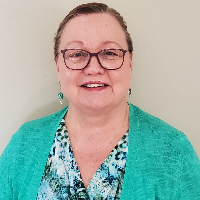
New Hampshire · 19 yrs exp
LMHC in New Hampshire - Grief and Anxiety
Stress, Anxiety · Family · Trauma and abuse · Self esteem · +12 more
Read profile
New Hampshire · 30 yrs exp
NH Psychologist - Grief and Trauma
Stress, Anxiety · Relationship · Trauma and abuse · Grief · +9 more
Read profile
New Hampshire · 18 yrs exp
Licensed Clinical Social Worker - Grief and Relationships
Stress, Anxiety · Relationship · Family · Grief · +11 more
Read profile
New Hampshire · 4 yrs exp
LCSW - Grief and trauma support
Addictions · Trauma and abuse · Grief · Self esteem · +1 more
Read profile
New Hampshire · 10 yrs exp
LCSW - Grief and Parenting support
Grief · Parenting · Self esteem · Career · +1 more
Read profileWhen you are coping with bereavement, anticipated loss, or grief after a non-death transition - such as the end of a relationship, job-related loss, or infertility - you may experience a range of feelings that shift over time. Some days you may feel numb, and other days intense sadness, anger, or guilt can arrive with little warning. Anniversaries, holidays, and other markers can reopen difficult feelings years later, and what helps one person in a given moment may not help someone else. Grief is not a disorder to be fixed, and there is no single timeline you must follow. You may want a therapist who will hold space for complicated emotions, help you identify coping strategies, or simply listen as you tell your story. Some people look for support that is more practical - combining problem-solving around daily tasks with emotional processing. Others prioritize spiritual, cultural, or meaning-focused conversations. As you review profiles, you can look for language that reflects the kind of support you want and think about whether you prefer more directive interventions or an exploratory, reflective approach.
If you are feeling overwhelmed or are in immediate danger, please contact your local emergency services right away. If you are in the United States and need someone to talk to about suicidal thoughts or a mental health crisis, call or text the 988 Suicide and Crisis Lifeline for immediate support.
A listed location in the directory indicates the place associated with a profile, but it does not by itself guarantee an office address, physical proximity, or permission to practice in every situation. Some therapists use a listed location to indicate a primary region where they work, while others may offer services across state lines depending on licensing rules. When you review a profile, check the profile details and the therapist's own website or professional pages to confirm where they are permitted to work. Be explicit in your outreach: mention where you live and ask whether they have current permission to work with you there. This is especially important if you live in a different state from the therapist's listed location, or if you plan to receive care across state lines. Profiles are a starting point for comparison, not an assurance of licensure status or a physical office.
Also pay attention to how a profile describes the populations the therapist works with. A listed topic such as grief does not automatically mean the therapist treats children, couples, or families. If you have specific needs - for example, wanting family support through bereavement or help with adolescent grief - bring that up directly when you contact the profile to confirm their experience in that area.
When you look at a profile, you will often see academic degrees alongside professional licensing designations. Academic credentials such as PhD, PsyD, MD, MA, or MSW indicate the therapist's formal education. These degrees describe training and scholarship but do not by themselves show whether the person currently has permission to practice in a particular jurisdiction. Professional licenses and registrations - for example, designations like LCSW, LPC, LMFT, or similar state-issued titles - are the indicators you should verify to confirm legal permission to provide care in your area. If a profile lists a degree but does not clarify current licensing, ask the person directly or check the relevant state licensing board to confirm status. Licensing rules, titles, and scope of practice vary by state and may affect the kinds of services a clinician can offer.
Keep in mind that a profile may describe approaches or modalities that the therapist uses in their work. For instance, you may find therapists who list EMDR among their approaches or who mention narrative, relational, or meaning-centered orientations. Those statements reflect what the therapist lists on their profile; they are not the same as formal certifications or guarantees of expertise. When licensure, training, or supervision is important to you, ask clear questions about a therapist's experience, ongoing education, and how they integrate particular approaches into grief work.
As you compare profiles, have concrete questions ready so you can learn how a clinician typically works with grief. You might ask how they describe their work with bereavement versus anticipated loss, or how they support people who are dealing with complicated feelings such as guilt or unresolved family conflict. If anniversaries and memorial events are particularly hard for you, ask whether they have experience helping clients prepare for or process these moments. If cultural, spiritual, or religious factors are central to your experience of loss, ask how those elements are incorporated into care. You can also ask about experience with non-death losses, such as job loss, identity shifts, or chronic illness, since these experiences can produce grief reactions similar to bereavement.
When modalities matter to you, ask the therapist what it looks like when they use them rather than assuming every therapist practices them in the same way. For example, you might say: I see you list EMDR among your approaches - how do you typically use that approach with grief? That phrasing acknowledges the profile language while inviting a concrete description of clinical practice. Ask for examples of the kinds of goals people set in therapy and how progress is reviewed over time. This will help you understand whether the therapist's style and emphasis align with your needs without implying any promises about outcomes.
If you are considering remote or online sessions, there are practical and ethical points to cover before you begin. Confirm that the therapist has permission to provide services to clients in your state or locale, and ask how they handle situations that require local resources. Discuss how they handle emergencies or crisis situations when you are in a different jurisdiction, and agree on what steps you and the therapist will take if urgent help is needed. Clarify communication preferences - for example, whether they provide messaging between meetings and what response times you can expect - and ask about boundaries around contact outside scheduled sessions. You should also discuss the technology you will use, what happens if a connection drops, and any privacy practices the therapist follows to protect your information during remote sessions.
Before you begin, set mutual expectations about the initial sessions - what you hope to address early on and how you will evaluate whether the match feels right. A good introductory conversation will let you express what matters most to you and will allow the therapist to explain how they typically support grief-related concerns. If you are ever unsure, you can ask for a brief clarifying message or a follow-up conversation to determine whether to continue with that clinician or look at other profiles in the directory.
When you compare profiles, think about concrete criteria that matter to you and use those as the basis for your outreach. Look for clear statements about focus areas - for example, bereavement, anticipatory grief, or grief after non-death losses - and note whether the profile mentions work with specific populations such as older adults or people experiencing complicated grief reactions. Pay attention to languages listed on the profile if you prefer counseling in a language other than English. Review academic degrees separately from licensing information and consider verifying license status with the state board when it is important to you. Evaluate style by reading how the therapist describes their approach - do they emphasize practical coping strategies, meaning-making, narrative work, or relational dialogue? Those descriptions will help you form comparison questions to ask in an initial message or conversation.
Ultimately, profiles are a tool to help you narrow your options and to prompt direct conversations. As you reach out, explain what you are looking for, ask the specific questions that make a difference to you, and confirm permission to work together where you live. Grief is deeply personal and can change over time, so allow room for the relationship and the work to evolve as you and your therapist learn what feels most helpful. If you are in crisis at any time, call or text the 988 Suicide and Crisis Lifeline for immediate support. Otherwise, use the profiles to find a clinician whose background and approach match the kind of care you want to explore.
Addictions
1551 therapists
ADHD
1423 therapists
Anger
2067 therapists
Bipolar
1228 therapists
Control Issues
912 therapists
Depression
3294 therapists
Guilt and Shame
1783 therapists
Intimacy Issues
1493 therapists
Isolation / Loneliness
1664 therapists
Midlife Crisis
845 therapists
Panic Disorder and Panic Attacks
883 therapists
Post-Traumatic Stress
1221 therapists
Self Esteem
3222 therapists
Social Anxiety and Phobia
1378 therapists
Stress & Anxiety
3755 therapists
Trauma and Abuse
2403 therapists
Abandonment
827 therapists
Aging and Geriatric Issues
916 therapists
Attachment Issues
908 therapists
Blended Family Issues
821 therapists
Career
1926 therapists
Caregiver Issues and Stress
1461 therapists
Coaching
1006 therapists
Codependency
941 therapists
Communication Problems
2156 therapists
Compassion Fatigue
1723 therapists
Coping with Life Changes
3210 therapists
Divorce
1234 therapists
Family
2516 therapists
Forgiveness
1782 therapists
Life Purpose
2016 therapists
Parenting
2066 therapists
Relationship
2908 therapists
Self-Love
2015 therapists
Workplace Issues
1169 therapists