- Grief support
- CBT and ACT
- End of life counseling
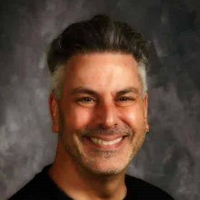
About Alan
Alan Ellias is a Licensed Master Social Worker (LMSW) in Michigan with 20 years of part-time clinical experience. He lists stress, anxiety, depression, relationship concerns, grief, and a range of other issues among his focus areas. He has worked in school settings, crisis services, and small independent practice roles over his career.
Alan earned his Master of Social Work from Wayne State University in 1995 and has combined clinical and macro-level experience. He served on a crisis line and provided emergency services through a community organization before spending time as a counselor in other part-time roles. He retired from full-time school work in 2022 but continued part-time clinical work.
In sessions he uses straightforward, interactive talk therapy. He draws on cognitive behavioral ideas about how thoughts influence feelings and behavior and combines those with psychodynamic perspectives and client-centered methods. He also uses acceptance and commitment and mindfulness practices when they fit a person’s needs.
He works with people facing grief, hospice and end-of-life concerns, trauma and abuse, parenting and intimacy questions, ADHD, compassion fatigue, and related stressors. He also lists LGBT concerns, infidelity, phobias, career problems, and coping with life changes among his areas of focus.
Alan describes his style as respectful and adaptable, avoiding stigmatizing labels. He aims to suggest options, guide when helpful, and support people in making their own choices about next steps.
Therapeutic approaches used and online session details
Alan integrates Acceptance and Commitment Therapy (ACT) and Cognitive Behavioral Therapy (CBT) in plain, practical ways. ACT focuses on noticing thoughts and values, then taking steps that fit what matters to a person. It can help with grief and coping with life changes. CBT looks at how thoughts affect feelings and behaviors and teaches skills to shift unhelpful thinking and reactions, which can reduce anxiety and depression.He also draws on client-centered methods that emphasize respectful listening and collaboration. Finding the right mix of approaches is a shared process. The therapist will work with each person to decide what methods feel most helpful based on goals and preferences.
The original biography does not specify which online formats he uses, so confirm current session options before booking. Online work can make it easier to fit therapy into a busy schedule, allow shorter check-ins when needed, and avoid travel time. Many people find remote sessions let them maintain consistency and bring what matters in daily life into the conversation.
Areas of expertise
Primary focus
Also works with
Additional focus areas
Therapeutic approaches
Experience
20+ years
Credentials
Michigan
Languages
English
Frequently asked questions
What kinds of concerns does he work with?
He lists stress, anxiety, depression, grief, relationship and intimacy issues, trauma and abuse, parenting, ADHD, hospice and end-of-life concerns, and related topics.
What is his therapeutic style?
He uses a nonjudgmental, interactive approach that combines cognitive behavioral, psychodynamic, client-centered, acceptance and commitment, and mindfulness ideas.
How much clinical experience does he have?
He has 20 years of part-time clinical experience and completed a Master of Social Work in 1995.
What are his credentials and where is he based?
He is a Licensed Master Social Worker (LMSW) in Michigan and practices from that state.
Which languages are supported and can international clients work with him?
Sessions are offered in English and he does not accept international clients at this time.
What session formats are offered?
The original biography does not list specific session formats; confirm current session options before booking.
How are sessions priced?
Cost varies with location and sessions use a subscription model that can be canceled at any time.
How do I begin working with him?
Select the See online therapy options button, complete the short matching questionnaire, and schedule a first session.
Online talk therapy is not emergency care, and no counselor can promise how grief will feel or when it will ease. If you are thinking about suicide or feel unsafe, call or text 988, or call 911. Crisis information