
Shashana Carter
LCSW-C, LICSWMaryland · 6 yrs exp
Licensed Clinical Social Worker - Grief and Trauma
Stress, Anxiety · Addictions · Relationship · Family · +16 more
Read profileA directory of US grief counselors
In crisis? Call or text 988Counselor listings come from BetterHelp. We will earn a commission at no extra cost to you if you use our links to buy.
Compare profiles of clinicians who list Coaching alongside grief and loss to find professionals whose focus, credentials, languages and approaches match your needs. Use the listed location and profile details below to guide your search and browse profiles to learn more.
Maryland · 6 yrs exp
Licensed Clinical Social Worker - Grief and Trauma
Stress, Anxiety · Addictions · Relationship · Family · +16 more
Read profile
Virginia · 10 yrs exp
Licensed Clinical Social Worker - Stress and Grief
Stress, Anxiety · Self esteem · Career · Coping with life changes · +11 more
Read profile
Michigan · 26 yrs exp
Licensed LMSW - Grief and Relationships
Stress, Anxiety · Addictions · Relationship · Grief · +14 more
Read profile
Pennsylvania · 30 yrs exp
LPC in Pennsylvania - Grief and mood concerns
Stress, Anxiety · Grief · Depression · Coaching · +1 more
Read profile
Virginia · 10 yrs exp
LICSW LCSW - Grief and Relationship concerns
Stress, Anxiety · Relationship · Family · Self esteem · +7 more
Read profile
Georgia · 42 yrs exp
Licensed Professional Counselor - Relationships and Grief
Relationship · Family · Trauma and abuse · Stress, Anxiety · +10 more
Read profile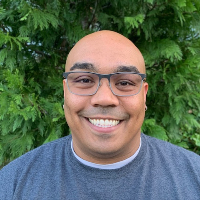
California · 10 yrs exp
Licensed Marriage and Family Therapist - Grief and Relationships
Stress, Anxiety · Trauma and abuse · Depression · Coaching · +16 more
Read profile
Louisiana · 30 yrs exp
LCSW - Grief and trauma support
Stress, Anxiety · Family · Trauma and abuse · Self esteem · +16 more
Read profile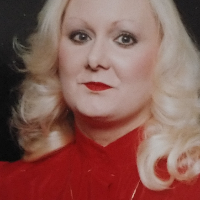
Alabama · 41 yrs exp
Licensed Professional Counselor - Grief and Trauma
Stress, Anxiety · Addictions · Trauma and abuse · Self esteem · +14 more
Read profile
Texas · 30 yrs exp
LPC counselor - grief and addiction recovery
Stress, Anxiety · Addictions · Relationship · Family · +13 more
Read profile
South Carolina · 20 yrs exp
LISW - Grief and Mood Concerns
Stress, Anxiety · Relationship · Self esteem · Depression · +10 more
Read profile
Louisiana · 5 yrs exp
Licensed counselor - grief and trauma support
Stress, Anxiety · Relationship · Family · Depression · +13 more
Read profile
Florida · 11 yrs exp
Licensed counselor - Grief and mood concerns
Stress, Anxiety · Relationship · Family · Self esteem · +7 more
Read profile
Connecticut · 45 yrs exp
LCSW - Grief and Life Transitions
Stress, Anxiety · Career · Depression · Coping with life changes · +11 more
Read profile
Florida · 20 yrs exp
LCSW - Grief and emotional concerns
Stress, Anxiety · Trauma and abuse · Anger · Self esteem · +11 more
Read profile
California · 10 yrs exp
Licensed clinical social worker - Grief and life changes
Stress, Anxiety · Relationship · Family · Grief · +8 more
Read profile
Florida · 28 yrs exp
LMHC - Grief and Addiction focus
Stress, Anxiety · Addictions · Relationship · Grief · +14 more
Read profile
Texas · 5 yrs exp
LPC in Texas - grief and life changes
Stress, Anxiety · Relationship · Parenting · Coping with life changes · +9 more
Read profile
Michigan · 10 yrs exp
LPC in Michigan - grief and life transitions
Stress, Anxiety · Parenting · Anger · Career · +11 more
Read profile
Oklahoma · 11 yrs exp
Licensed Professional Counselor - Grief and Mood Concerns
Stress, Anxiety · Addictions · Relationship · Family · +12 more
Read profile
Virginia · 9 yrs exp
Licensed counselor - Grief and addiction support
Stress, Anxiety · Addictions · LGBT · Self esteem · +14 more
Read profile
Florida · 4 yrs exp
Licensed Clinical Social Worker - Grief and Relationship concerns
Stress, Anxiety · Parenting · Anger · Addictions · +16 more
Read profile
Indiana · 19 yrs exp
LMHC LPC in Indiana - relationships and grief
Relationship · Family · Trauma and abuse · Intimacy-related issues · +14 more
Read profile
Mississippi · 10 yrs exp
Licensed Professional Counselor - Grief and Trauma
Stress, Anxiety · Trauma and abuse · Grief · Anger · +16 more
Read profileWhen you search for Coaching in the context of grief and loss, you are looking at a broad range of professional approaches that may emphasize practical planning, goal-setting, and support for day-to-day coping after a loss. Coaching can be described as an oriented conversation that helps you identify priorities, create steps to address immediate challenges, or reframe activities of daily life that feel difficult during bereavement. People turn to coaching for help managing anniversaries, navigating anticipated loss such as end-of-life transitions, or addressing complicated feelings that interfere with work, family roles, or routine tasks. Coaching does not imply a single clinical model. Rather, it signals that a clinician lists Coaching as an area they work with among other focuses.
Because grief is a deeply personal process without a fixed timeline, coaching approaches you encounter in profiles may focus on practical tools, emotional reflection, or combined approaches that also address meaning and values. Some clinicians highlight strategies for memory keeping, ritual planning, or structuring time when loss has made routines feel disorienting. Others describe working with non-death losses such as relationship endings, health changes, job loss, or other transitions that trigger grief. None of these descriptions should be read as guarantees of results. Use coaching-oriented language in a profile as a starting point for the conversation you want to have about your needs.
This page brings together profiles of clinicians who list both Grief and Coaching among their specialties or additional focus areas. A listing in the directory indicates that the clinician identifies those topics on their profile, but it does not serve as evidence of specialist certification, a particular therapy method, diagnostic services, treatment outcomes, or definitive suitability for any specific reader. The presence of Grief on a profile reflects an area a clinician highlights; it does not mean they treat every age group or type of loss unless the profile explicitly states that scope.
In your search you may encounter clinicians who emphasize support for bereavement, clinicians who mention anniversaries and ritual work, and clinicians who list experience with anticipated loss. You may also find clinicians who name approaches such as EMDR, narrative work, or cognitive strategies. When such approaches appear on profiles, interpret them as approaches the clinician lists, not as proof of training or certification. The directory is intended to let you compare profiles by what clinicians choose to highlight so you can narrow who to contact for a conversation about fit.
When you contact a clinician whose profile interests you, prepare a few specific questions that will help you understand how their coaching focus aligns with your needs. Ask which types of loss they have supported most often and whether they have experience with bereavement following death, grief after non-death losses, or anticipated loss. You might ask how they describe their work with anniversaries or recurring grief triggers, and how they support people who are coping with complicated feelings that do not follow a predictable pattern. If you are concerned about how grief affects relationships, work, or parenting, ask whether they regularly work with those issues and how they approach them in sessions.
Be explicit in asking about credentials and permission to practice. Ask for the clinician's academic degree such as PhD, PsyD, MD, MA, or MSW, and then follow up about the professional license or registration that authorizes clinical work in your state or country. A degree alone does not establish current permission to practice. Ask whether the clinician is permitted to work with you in your location and whether they have experience offering services to clients with similar cultural or identity backgrounds. If an approach listed on a profile seems important to you, ask the clinician to describe how they use that approach in grief work rather than assuming every clinician listing it uses it the same way.
If you are considering remote sessions, review practical topics before your first appointment. Discuss how the clinician handles electronic communication, how session notes and messages are shared or stored, and what safeguards they use to protect your information. Clarify what to do in the event of a crisis and whether they have an emergency plan for clients in your listed location. If you are in immediate danger or thinking about harming yourself, contact local emergency services right away or call the 988 Suicide and Crisis Lifeline for immediate support.
Talk about logistics such as time zones, session length, how appointments are scheduled, and what to expect if technical issues interrupt a session. If you will be joining from a shared home, discuss how you can create a quiet, respectful setting and whether the clinician recommends a quiet space for your sessions. It is also appropriate to ask how the clinician addresses cultural considerations, religious or spiritual practices related to mourning, and whether they can work with interpreters or provide services in your preferred language.
When you review profiles, pay attention to what clinicians list as their primary focus areas and how they describe the populations they work with. Profiles that mention bereavement may use different language to emphasize ritual, memory, or practical coping. Profiles that list anticipated loss may highlight advance planning and anticipatory responses. Notice whether a profile explicitly addresses anniversaries, ongoing triggers, or grief after non-death losses so you can assess fit for your situation.
Language and cultural competence are important comparison points. Look for profiles that list the languages the clinician uses and descriptions of cultural experience that feel relevant to you. For credentials, separate academic degrees from licensing information. A profile may show a degree such as PhD, PsyD, MD, MA, or MSW; follow up to confirm the current professional license or registration that authorizes clinical practice in your location. Finally, consider tone and style. Some profiles are concise and practical, others emphasize reflective or meaning-focused work. Profiles may note whether clinicians describe themselves as coaching-oriented, therapy-oriented, or a blend. These stylistic cues can help you decide which clinicians to contact to ask the specific questions that matter most to you.
Remember that a listed topic does not establish that a clinician treats children, couples, or families. If that matters for your situation, ask directly. Use profiles as a starting point to gather questions and then reach out to clinicians to discuss how they might work with your grief and loss concerns. Choosing someone to talk with about grief is a personal decision; taking time to compare focus areas, languages, credentials and style can help you find a clinician whose approach resonates with you.
Alabama
89 therapists
Alaska
10 therapists
Arizona
50 therapists
Arkansas
34 therapists
California
367 therapists
Colorado
106 therapists
Connecticut
46 therapists
Delaware
14 therapists
District of Columbia
14 therapists
Florida
402 therapists
Georgia
148 therapists
Hawaii
24 therapists
Idaho
26 therapists
Illinois
156 therapists
Indiana
68 therapists
Iowa
21 therapists
Kansas
24 therapists
Kentucky
40 therapists
Louisiana
86 therapists
Maine
20 therapists
Maryland
78 therapists
Massachusetts
54 therapists
Michigan
172 therapists
Minnesota
54 therapists
Mississippi
52 therapists
Missouri
114 therapists
Montana
24 therapists
Nebraska
17 therapists
Nevada
17 therapists
New Hampshire
13 therapists
New Jersey
91 therapists
New Mexico
18 therapists
New York
208 therapists
North Carolina
153 therapists
North Dakota
3 therapists
Ohio
95 therapists
Oklahoma
64 therapists
Oregon
39 therapists
Pennsylvania
155 therapists
Rhode Island
9 therapists
South Carolina
95 therapists
South Dakota
9 therapists
Tennessee
56 therapists
Texas
447 therapists
Utah
29 therapists
Vermont
9 therapists
Virginia
82 therapists
Washington
52 therapists
West Virginia
17 therapists
Wisconsin
51 therapists
Wyoming
13 therapists