- Grief support
- Coping skills
- CBT and DBT elements
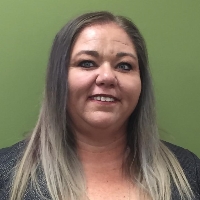
About Amy
Amy Coppinger is a Licensed Professional Counselor, LPC, and a Licensed Clinical Mental Health Counselor, LCMHC, with 16 years of experience in the field. She practices in Arizona and works with people facing stress, anxiety, addiction, relationship strain, parenting pressures, grief, low self-esteem, mood concerns, and compassion fatigue. She uses straightforward talk, active listening, and practical steps to help clients organize their thoughts and next actions.
Amy previously worked as a therapist and supervisor at a nonprofit community behavioral health agency. That experience brought daily exposure to a wide range of concerns, including depression, bipolar disorder, addiction, and life transitions. She draws on that background when helping people sort priorities and decide what to try next.
Her approach includes client-centered methods that focus on the person's perspective, cognitive behavioral techniques that look at thoughts and behaviors, and dialectical behavior elements that teach specific coping skills. She also uses mindfulness and motivational interviewing to support readiness for change. Sessions tend to mix conversation with skill-building and brief experiments to test new ways of responding.
Amy aims to be down-to-earth and respectful in session. She keeps language simple and focuses on tasks that can be used between meetings. She helps clients set small goals and tracks progress one step at a time.
People considering her work are encouraged to review the online therapy options, complete the short matching questionnaire, and schedule a first session to see whether her style fits their needs.
How her approaches translate to online sessions
Amy often draws on client-centered work that focuses on the person's experience. That approach means sessions start by listening to what matters most and then shaping the work around those concerns. Cognitive behavioral therapy is used to identify unhelpful thoughts and try new behaviors; it suits stress, anxiety, grief-related thinking, and mood concerns. Dialectical behavior therapy elements teach concrete skills for managing intense emotions and improving coping, such as grounding and emotion regulation techniques.Choosing the right approach is collaborative. Amy will discuss goals, try methods in session, and adjust based on how things are working. The plan can change over time as priorities shift or new needs appear.
Session format options are not specified in the original biography, so confirm current session options before booking. Online sessions can make it easier to fit meetings into a busy life, allow shorter check-ins when needed, and reduce travel time. If a client prefers learning skills, sessions can include brief in-session practice and homework to use between meetings, helping new strategies become part of everyday routines.
Areas of expertise
Primary focus
Also works with
Therapeutic approaches
Experience
16+ years
Credentials
Arizona, Utah
Languages
English
Frequently asked questions
What kinds of concerns does she work with?
She works with stress, anxiety, depression, bipolar mood concerns, addiction, relationship issues, parenting stress, grief, and compassion fatigue.
What is her therapeutic style?
She uses a client-centered style with practical tools from cognitive behavioral therapy and dialectical behavior therapy, plus mindfulness and motivational interviewing techniques.
How long has she been practicing?
She has 16 years of experience, including work as a therapist and supervisor at a nonprofit community behavioral health agency.
What credentials and location are listed?
She holds LPC and LCMHC credentials and practices in Arizona under those licenses.
In which languages are sessions offered?
Sessions are offered in English only.
Can I work with her from outside the United States?
International clients are not currently accepted; sessions are offered to people located within the therapist's authorized region.
How does payment work?
Cost varies by location and sessions use a subscription that can be canceled at any time.
How do I begin a first session?
Select the See online therapy options button, complete the short matching questionnaire, and schedule a first session.
Online talk therapy is not emergency care, and no counselor can promise how grief will feel or when it will ease. If you are thinking about suicide or feel unsafe, call or text 988, or call 911. Crisis information