- cognitive behavioral techniques
- motivational interviewing
- solution focused methods
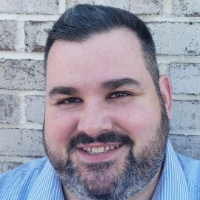
About Cameron
Cameron Williams is a Licensed Independent Social Worker (LISW) in South Carolina with 20 years of experience. He works with adults and adolescents facing depression, anxiety, stress, relationship concerns, and grief. He also sees people dealing with self-esteem issues, parenting challenges, trauma and abuse, ADHD, and career or life transitions.
He earned a Bachelor of Science from Charleston Southern University and a Master of Social Work from the University of South Carolina. Over two decades he has helped people manage anger, improve parent-child dynamics, and cope with major life changes.
Cameron describes his style as straightforward and practical. He focuses on giving people tools they can use outside sessions. He does not position himself as someone who fixes people; instead he works with clients to build skills and motivation for change.
The approaches he uses include cognitive behavioral techniques, motivational interviewing, dialectical behavior methods, and solution-focused strategies. Those methods are used to address thoughts, behaviors, and coping skills in a direct way that fits each person's situation.
Sessions tend to center on clear goals, skill practice, and concrete next steps. He aims to help clients recognize patterns that keep them stuck and try different ways of responding. Cameron welcomes questions about how this approach might apply to your loss or grief and about what a first session will look like.
How Cameron integrates evidence-based methods online
Cognitive behavioral techniques focus on identifying unhelpful thoughts and testing new behaviors. This approach is useful for anxiety, depression, and stress by giving concrete skills to try between sessions.Motivational interviewing helps people find their own reasons for change. It is a collaborative, goal-focused way to increase motivation for things like parenting shifts, career moves, or lifestyle changes.
Dialectical behavior methods teach emotion regulation, distress tolerance, and interpersonal skills. These tools can help with anger, relationship strain, and coping after difficult losses.
Finding the right approach is part of the work together. The therapist will discuss goals, preferences, and what has or hasn’t helped in the past, and then try methods that fit the client’s needs. That collaboration guides which techniques are emphasized in sessions.
The biography does not list specific online session formats, so confirm current options before booking. Online sessions can make it easier to fit therapy into a busy life, shorten travel time, or keep check-ins brief when schedules are tight. Licensed professionals often use this flexibility to maintain momentum between visits and apply skills in day-to-day situations.
Areas of expertise
Primary focus
Also works with
Experience
20+ years
Credentials
South Carolina
Languages
English
Frequently asked questions
What kinds of loss does he address?
He works with grief from death and other losses such as relationship endings, health changes, and shifts in life roles.
How would he describe his therapeutic style?
His approach is direct and practical, focused on tools and skills clients can use between sessions.
What is his clinical background?
He has 20 years of experience working with adolescents and adults on depression, anxiety, trauma, and related concerns.
What are his credentials and where is he based?
He is an LISW - Licensed Independent Social Worker in South Carolina.
Can I work with him if I live outside the United States?
Sessions are offered in English and international clients are not currently accepted.
What session formats does he offer?
The original biography does not specify session formats; please confirm current session options before booking.
How much do sessions cost?
Cost varies by location and sessions use a subscription that can be canceled at any time.
How do I begin scheduling a first session?
Select the See online therapy options button, complete a short matching questionnaire, and schedule a first session.
Online talk therapy is not emergency care, and no counselor can promise how grief will feel or when it will ease. If you are thinking about suicide or feel unsafe, call or text 988, or call 911. Crisis information