- Grief and loss
- Mood and anxiety
- Parenting support
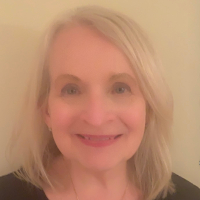
About Deborah
Deborah Beard is an Illinois Licensed Clinical Professional Counselor (LCPC) with 30 years of experience. She works with people facing stress, anxiety, depression, trauma and abuse recovery, relationship concerns, parenting challenges, addictions, and grief. She also supports issues like sleep and eating problems, anger, self-esteem, and career concerns.
Her background includes a Master of Science in Family Therapy from Friends University and past roles as a human resources manager and a professor of education. Those jobs shaped her practical approach and give her experience with workplace and life-skill issues she brings into sessions.
In session she focuses on strengths and on what clients say they want to change. She uses words and exercises that are easy to follow. Practical tools from cognitive behavioral methods help people notice thoughts and try small behavior changes. She also draws on acceptance and commitment ideas to clarify personal values and on attachment-based thinking to look at important relationships.
Deborah has worked in public and personal mental health settings for many years. She sees adults with a wide range of problems including mood disorders, trauma recovery, and relationship struggles. Her practice acknowledges clients' faith and moral values when those are important to the person.
Sessions aim to be straightforward and focused. New clients are guided through the steps to start working together, including a short questionnaire and scheduling a first session.
Therapeutic approaches and remote sessions
Deborah commonly uses Acceptance and Commitment Therapy and Cognitive Behavioral methods in her work. Acceptance and Commitment Therapy (ACT) helps people notice difficult thoughts and feelings while choosing actions that fit their values. Cognitive Behavioral Therapy (CBT) focuses on identifying unhelpful thinking patterns and testing small behavior changes to reduce symptoms like anxiety or low mood.Finding the right approach is part of the work together. She will discuss different methods and help decide what fits best with a person's goals, needs, and preferences. That decision is collaborative and can shift as therapy progresses.
The biography does not list specific online session formats, so confirm current options before booking. Many people find remote sessions helpful for fitting therapy into busy days, shortening commute time, or keeping check-ins brief when needed. Deborah's background in practical, skills-based methods means sessions typically focus on clear steps, homework when useful, and regular review of progress to fit real-life demands.
Areas of expertise
Primary focus
Also works with
Additional focus areas
Therapeutic approaches
Experience
30+ years
Credentials
Illinois
Languages
English
Frequently asked questions
What kinds of concerns does she help with?
She works with stress, anxiety, depression, trauma and abuse recovery, relationship issues, parenting challenges, addictions, and grief, among other concerns.
What is her therapeutic style?
She uses practical, skills-based approaches including cognitive behavioral techniques, acceptance and commitment ideas, attachment-informed work, client-centered listening, and dialectical behavior skills as appropriate.
How much experience does she have?
Deborah has 30 years of experience in counseling and related roles, including work in public and personal mental health settings.
What credential does she hold and where is she located?
She is an Illinois LCPC and practices out of Illinois.
Can sessions be conducted in other languages or internationally?
Sessions are offered in English and she does accept international clients.
What session formats are available?
The biography does not list specific session formats; confirm current session options before booking.
How are sessions priced?
Cost varies with location and sessions use a subscription that can be canceled at any time.
How do I get started with a first session?
Select the See online therapy options button, complete a short matching questionnaire, and schedule a first session.
Online talk therapy is not emergency care, and no counselor can promise how grief will feel or when it will ease. If you are thinking about suicide or feel unsafe, call or text 988, or call 911. Crisis information